Literacy Champions
Are YOU the Literacy Champion Your Grandchild Needs?
Literacy Champions Blog
Alexa, Are You My Grandmother?
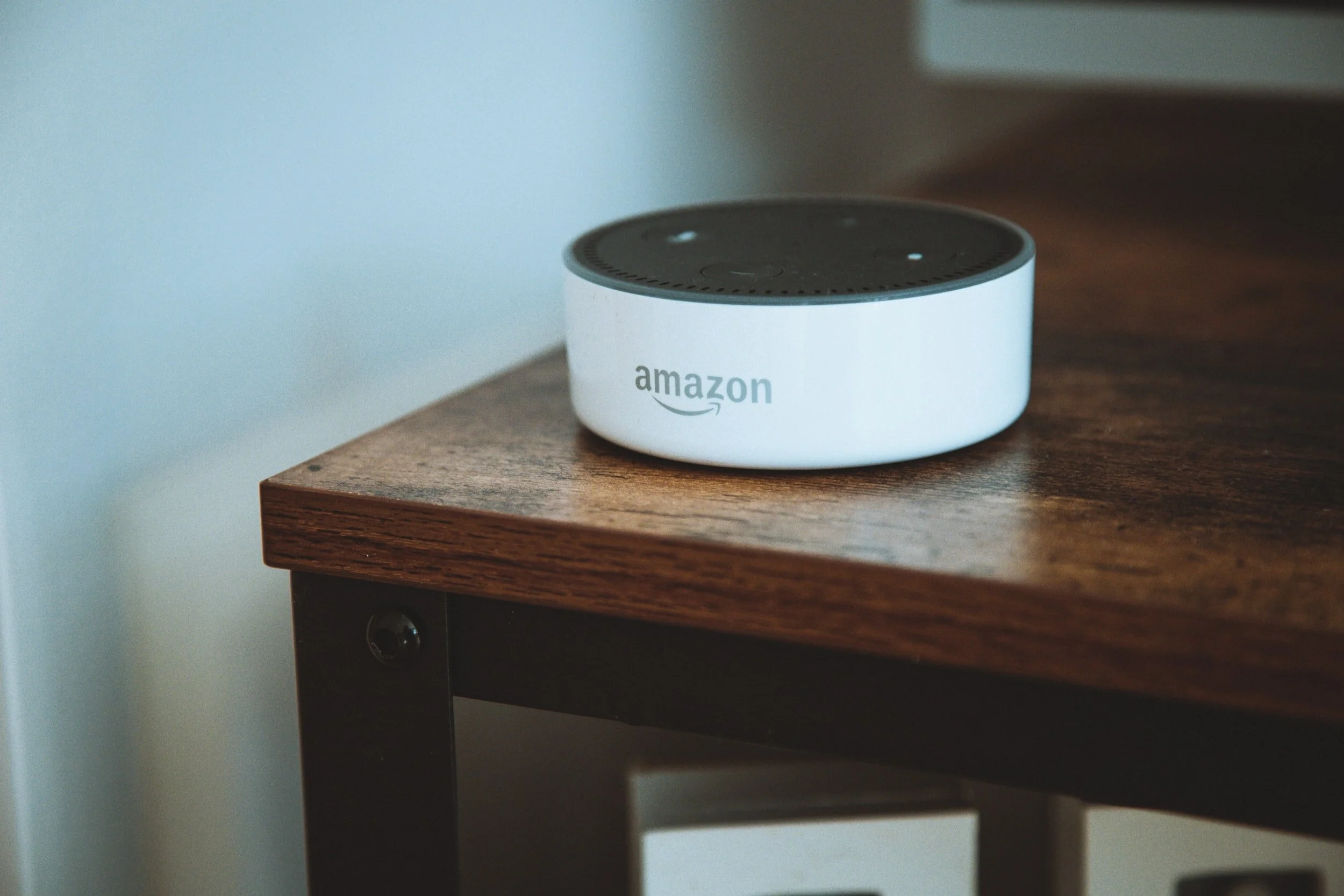
As modern grandmas, we answer to a variety of names. Our young grandchildren might affectionately call us Mimi, Gaga, Nana, or even Grammy. But getting called “Alexa” or “Siri” might make you pause. Those three-year-olds consistently asking “Why?” typically get a patient and accurate response from Grandma, while frazzled parents might say, go ask Alexa. Although using technology can be a lifesaver, overuse of technology can mask the early signs of dyslexia.

Telling Time: It’s All Greek to Me
From Sun Dials, Hourglasses, and Pendulum Clock to the current technology of Apple Watches, telling time has improved its accuracy. Throughout history, the development of clocks has played a significant role in improving various fields, from astronomy and navigation to science and industry. But in this crazy busy world, knowing how to tell times impacts our daily lives. Unfortunately, teaching time to grandchildren has become more challenging than ever, especially when those children are dyslexic thinkers.

Words are Hard: How Do Children Cope?
The English language, by most standards, is challenging to learn. Spelling, in particular, is weird. Did you know that only English-speaking countries have “spelling bees?” Why, you ask? Because in other languages, spelling is more predictable. But spelling is about writing; language is about speaking. English features grammatical rules that are often broken, an alphabet that can confuse people who are used to a character-based system, and spelling and pronunciation irregularities that confuse even native speakers. So how do the little ones learn to speak?

Second Language Dilemma: Do the Benefits Out Way the Damage
No entiendo Española. Je ne comprends pas le français. Nie rozumiem. Non capisco. This is the extent of my rigorous training and immersion into various languages: Spanish, French, Polish, and Italian. I can confidently say I don't understand in all four languages. It isn't as though I didn't try. My schooling started when I attended Head Start at three years old. I came home spouting all sorts of Spanish words from what I was told. But my linguistic talents went downhill after that. While playing a language game with my sister and cousin, I mistranslated a picture of someone pointing to their teeth as "How are your teeth." Yes, an absurd translation that they never let me forget. My forte wasn't languages. I muddled through my language and English classes, but I excelled in math, leading me into engineering. Nobody questioned my language challenges since; overall, I was a good student. But this isn't the case for children with dyslexia. The inability to learn a language besides English should be a red flag for parents.
S.P.A.R.K. (See, Point, Ask, Review, Know)
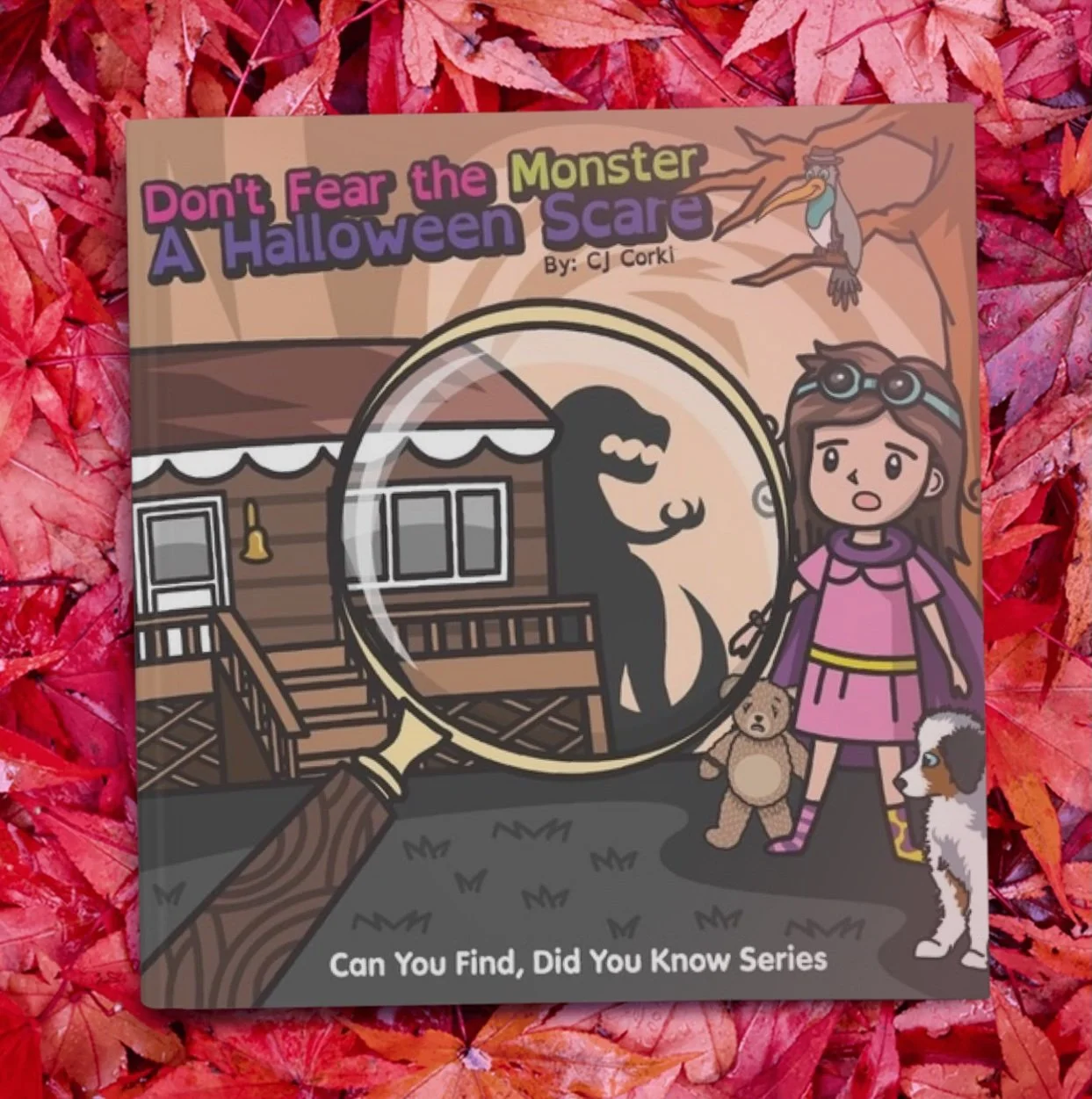
Welcome to the most fun and engaging way to teach kids how to read—where books come to life, marshmallows go missing, monsters are not scary, magical dinosaur eggs are found, and learning feels like an EPIC adventure!
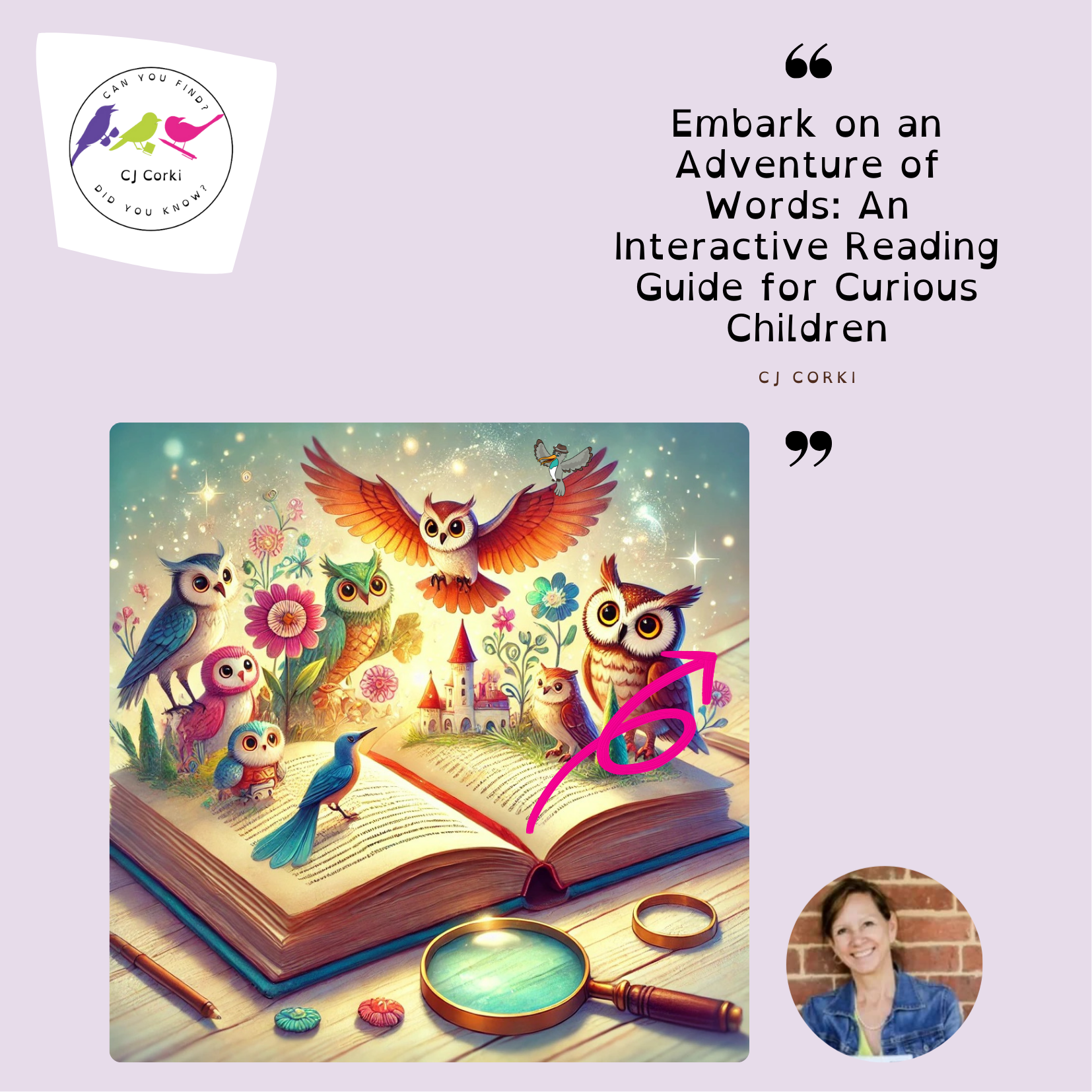
Can You Find, Did You Know Series
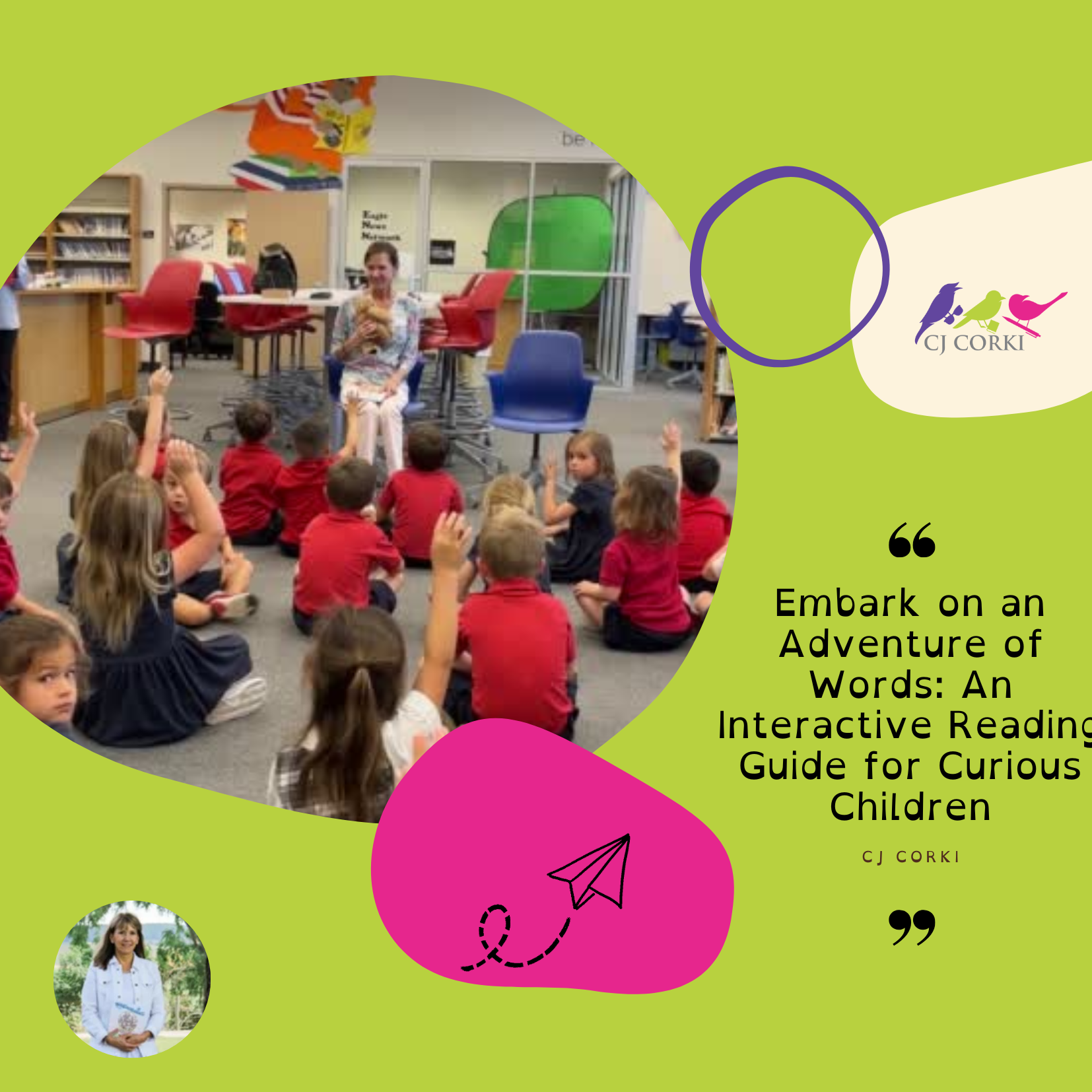
Embark on an enchanting journey of mystery, adventure, and life lessons with the Can You Find, Did You Know Series Bundle! Featuring three delightful stories—Dinosaur Discovery, The Marshmallow Mystery, and Don't Fear the Monster—this collection inspires curiosity, friendship, and courage in young readers. Perfect for family storytime!