

More Dyslexia Resources
-

Unlocking Literacy: Understanding Dyslexia’s Impact on Education & Strategies for Success
In this comprehensive presentation, we explore the relationship between dyslexia and literacy, focusing on the challenges faced by students with dyslexia and how it impacts their overall educational experience. Learn about the signs of dyslexia, strategies for supporting literacy development, and the importance of early intervention in educational settings.
-

Morphology
What is Morphology and why is it essential for dyslexia? Learn from the International Association expert how to use Morphology early in elementary school education.
-

Facts about Dyslexia
1 in 5 people has dyslexia. 70-85% of children who are placed in special education classes have dyslexia. It isn’t a disease, but it cannot be cured either. Learn something…do something.
-
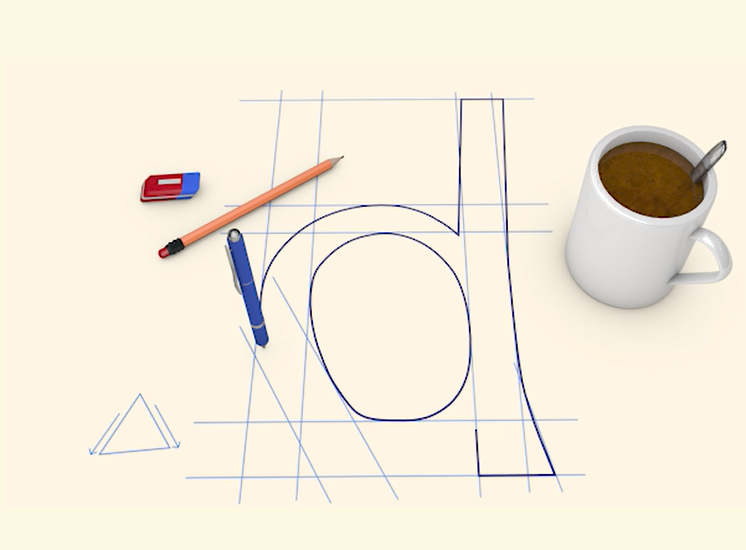
Dyslexia Font
Did you know there is a dyslexic font that helps dyslexic and non-dyslexic readers? The letters are heavier so they won’t jump off the page. We use the font for our books.
-
Why Dyslexic Children Need Touch
To illustrate the power of connection, let me tell you a story about my First Grade teacher, Mrs. Eldridge. I started school in Chatham, Massachusetts, public school in 1955 at the age of 6. I show up for First Grade, and I’m supposed to learn how to read. Well, I couldn’t do it. The other kids were learning phonics and it didn’t come to me. I have what we now know as Dyslexia; but back then, it was called stupid. The treatment was, forget about the kid. Put him in the corner and tell him to try harder, but not Mrs. Eldridge, -- a nice old lady, very plump, I can see her so clearly -- She knew there was something more than stupid.
-

Scam Alert
Parents, don’t let your fear of dyslexia cause you to fall into the trap of scams. There is no “cure” for dyslexia. But with the help of the right professionals, your child will succeed.