Literacy Champions
Are YOU the Literacy Champion Your Grandchild Needs?
Literacy Champions Blog

30,000 Words a Day: Language Nutrition Tips for Grandparents
You're standing at the stove making pancakes, chattering away to your grandbaby strapped in the high chair about the batter, the bubbles, the smell of it all, and you catch yourself wondering, does any of this actually do anything?
Yes. It really does.
Here's the idea in plain terms: think of words like food for a growing brain. The more good "language nutrition" a child gets in those first few years- real talk, real back-and-forth, real attention. The stronger their vocabulary, thinking skills, and eventually their reading will be.
My Grandchild Struggles with Spelling: 7 Fun Ways I Help Without Making It Feel Like Homework
The first time my grandson asked me how to spell a word, I answered so fast you would have thought I was competing in a spelling bee. I thought I was helping by correcting every mistake.
If he wrote “frend” instead of “friend,” I pointed out the missing letter. If he wrote “sed” instead of “said,” I quickly showed him the correct spelling.
My intentions were good, but soon I noticed a problem. Instead of trying a word independently, he began stopping and asking, “Is this right?” Sometimes he waited for me to spell the entire word before he wrote anything.
My help was making him less confident.

The Best Books Three- and Four-Year-Olds Will Love
Three- and four-year-olds are curious, imaginative, energetic, and eager to understand the world around them. At this age, children are developing longer attention spans, expanding their vocabularies, learning to manage emotions, and beginning to recognize letters, numbers, patterns, and sounds.
Learning Through Play: Building Pre-Reading Skills in Three- and Four-Year-Olds
Children between the ages of three and four are naturally curious, imaginative, and increasingly independent. They are beginning to ask more questions, tell longer stories, recognize familiar letters, and make connections between the books they hear and the world around them.
At this age, preparing a child to read should not feel like formal instruction. The most effective learning happens through play, conversation, music, movement, drawing, and shared stories. These enjoyable experiences help children develop the language, comprehension, sound awareness, and early phonics skills they will eventually use to become confident readers.
S.P.A.R.K. (See, Point, Ask, Review, Know)
Welcome to the most fun and engaging way to teach kids how to read—where books come to life, marshmallows go missing, monsters are not scary, magical dinosaur eggs are found, and learning feels like an EPIC adventure!
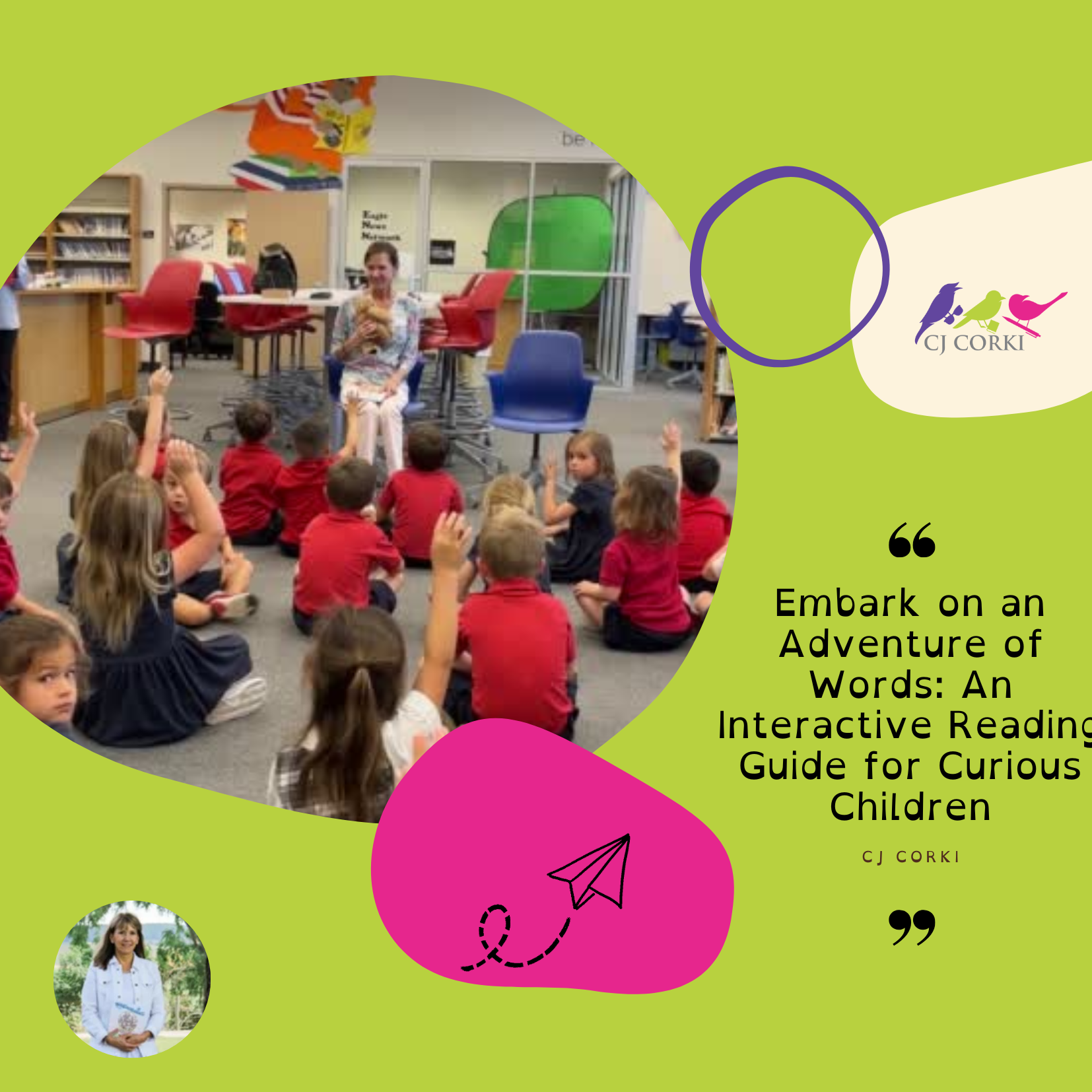
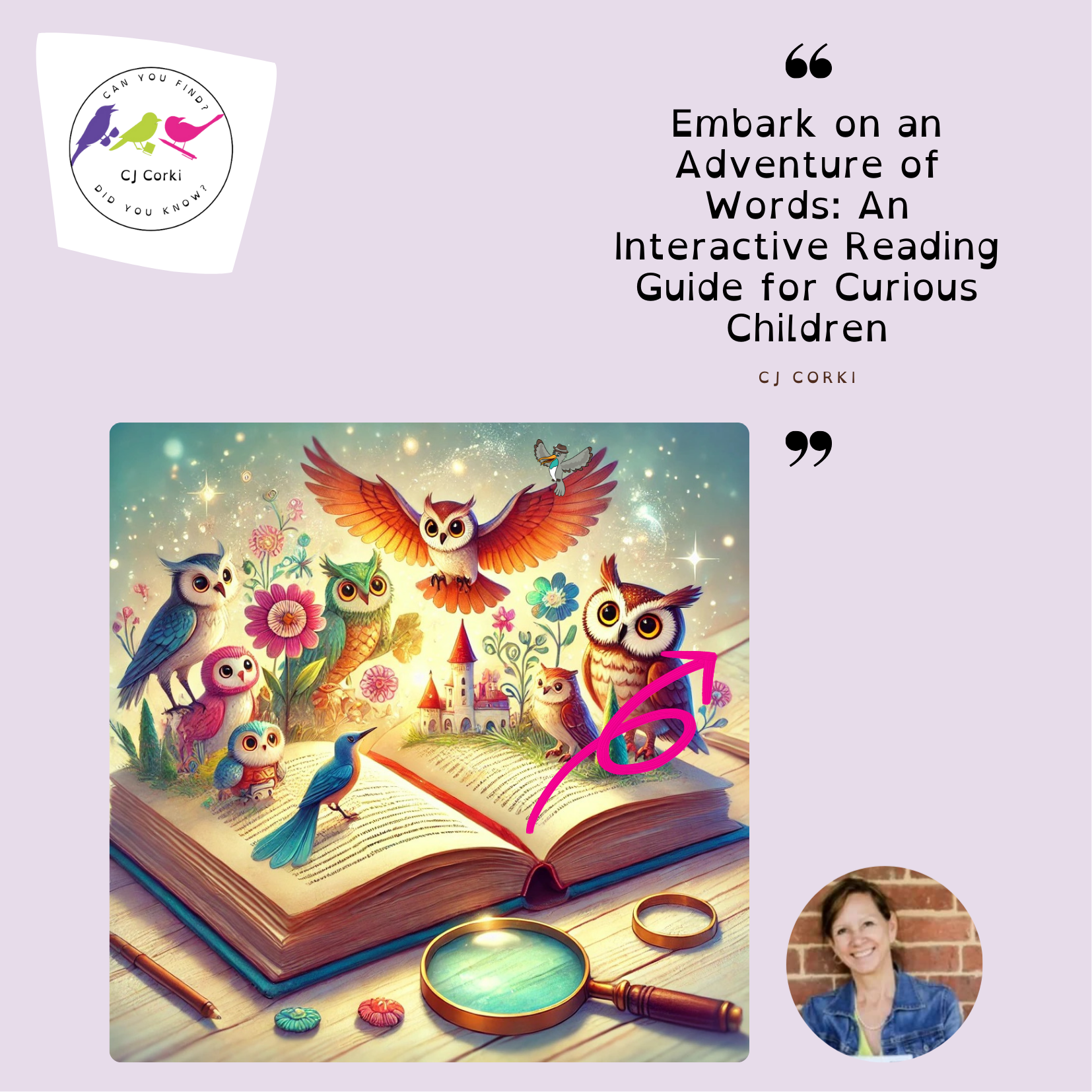
Can You Find, Did You Know Series
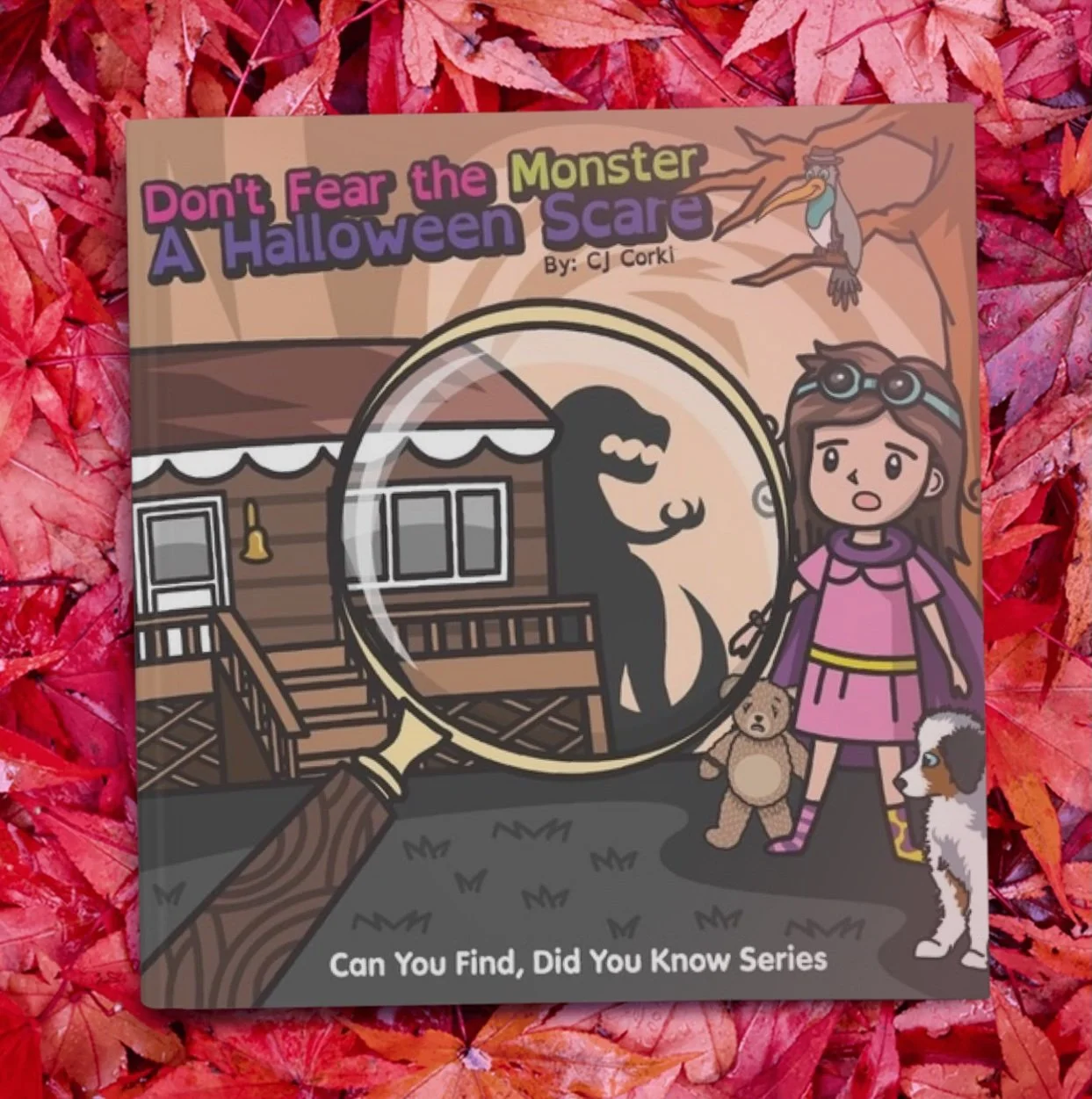
Embark on an enchanting journey of mystery, adventure, and life lessons with the Can You Find, Did You Know Series Bundle! Featuring three delightful stories—Dinosaur Discovery, The Marshmallow Mystery, and Don't Fear the Monster—this collection inspires curiosity, friendship, and courage in young readers. Perfect for family storytime!