
Early Dyslexia Identification Can Help Improve Dyslexia
The importance of dyslexia identification before children enter school can’t be overstated. Dyslexia can profoundly impact a child's ability to read and write, putting them at a huge disadvantage and causing difficulty catching up. Once behind, it is an unavoidable and lifelong educational, social, and economic challenge. Although it can be identified as early as 3 years old, most children aren't identified until 5th grade.

-
Speech Delays...talking like a younger child
This is often one of the first signs of the disorder. In some cases, these children won't start speaking until as late as three or four years of age.
-

Calling Things by the Wrong Name
They may have a hard time coming up with the word for simple objects. Or they may talk around it using vague words like thing or stuff. Trouble finding the right word is one of the most common signs of dyslexia.
-
Inability to Rhyme
Hard time learning nursery rhymes or song lyrics that rhyme. It includes the inability to connect letters with sounds.
-
Difficulty Pronouncing Words
A dyslexic child might say busgetti for spaghetti, or mawn lower for lawn mower. The main problem is their trouble recognizing phonemes, basics sounds of speech. The longer the word, the more difficult it is to pronounce.
-

Confusing Left From Right
Sometimes called “directional dyslexia” dyslexic children find it difficult to navigate their left from right. Left and right are mirror images of each other so it is easier to confuse the two.
-
Immediate Relatives with Dyslexia
Yes, dyslexia is hereditary. A child with an affected parent has a 40–60% risk of developing dyslexia and it goes higher if additional relatives have similar diagnosis.
-
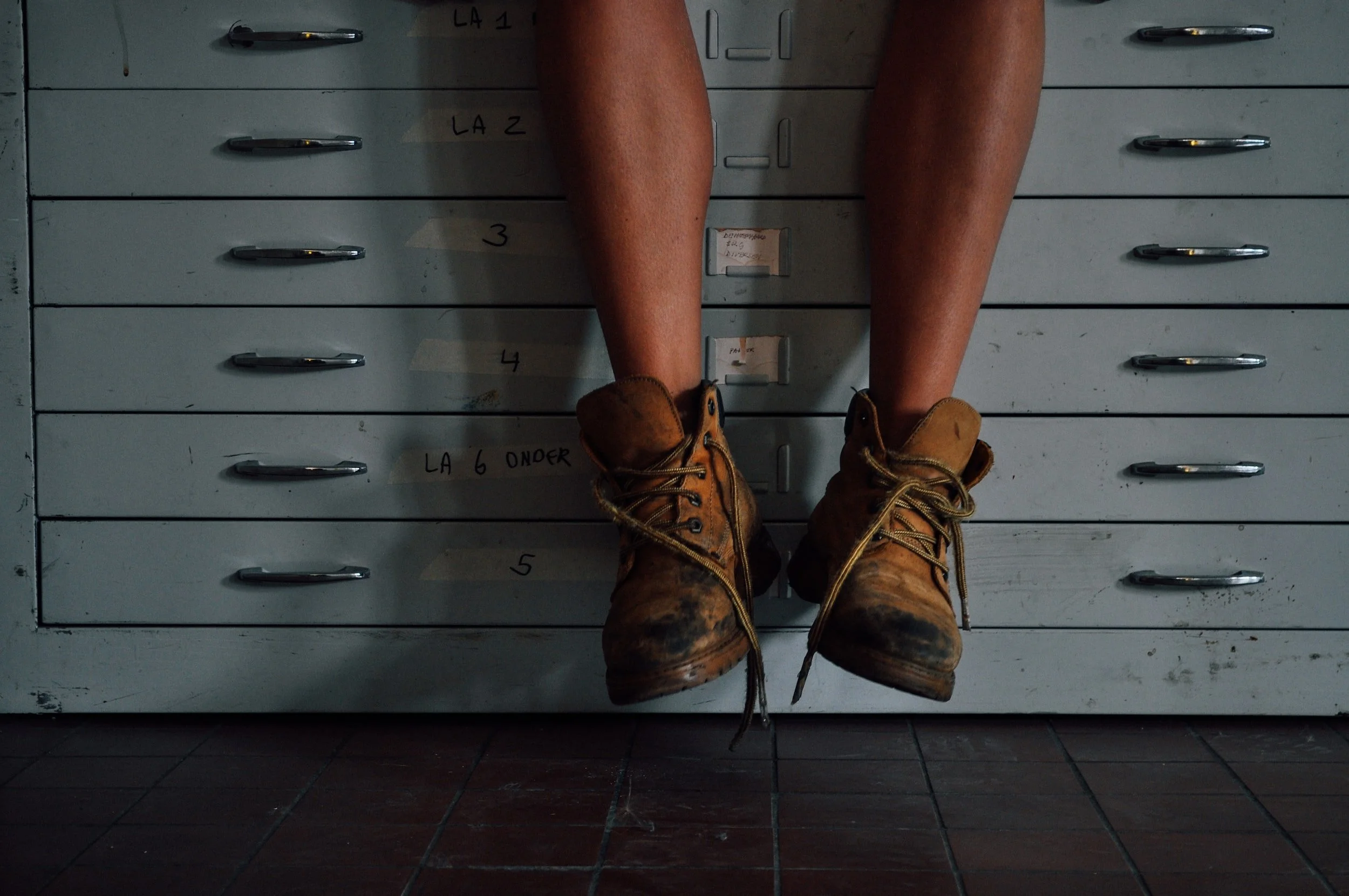
Struggling to Tie Shoes
They may also struggle with using a fork or zipping a jacket. The problem is rooted in weak fine motor skills .
-
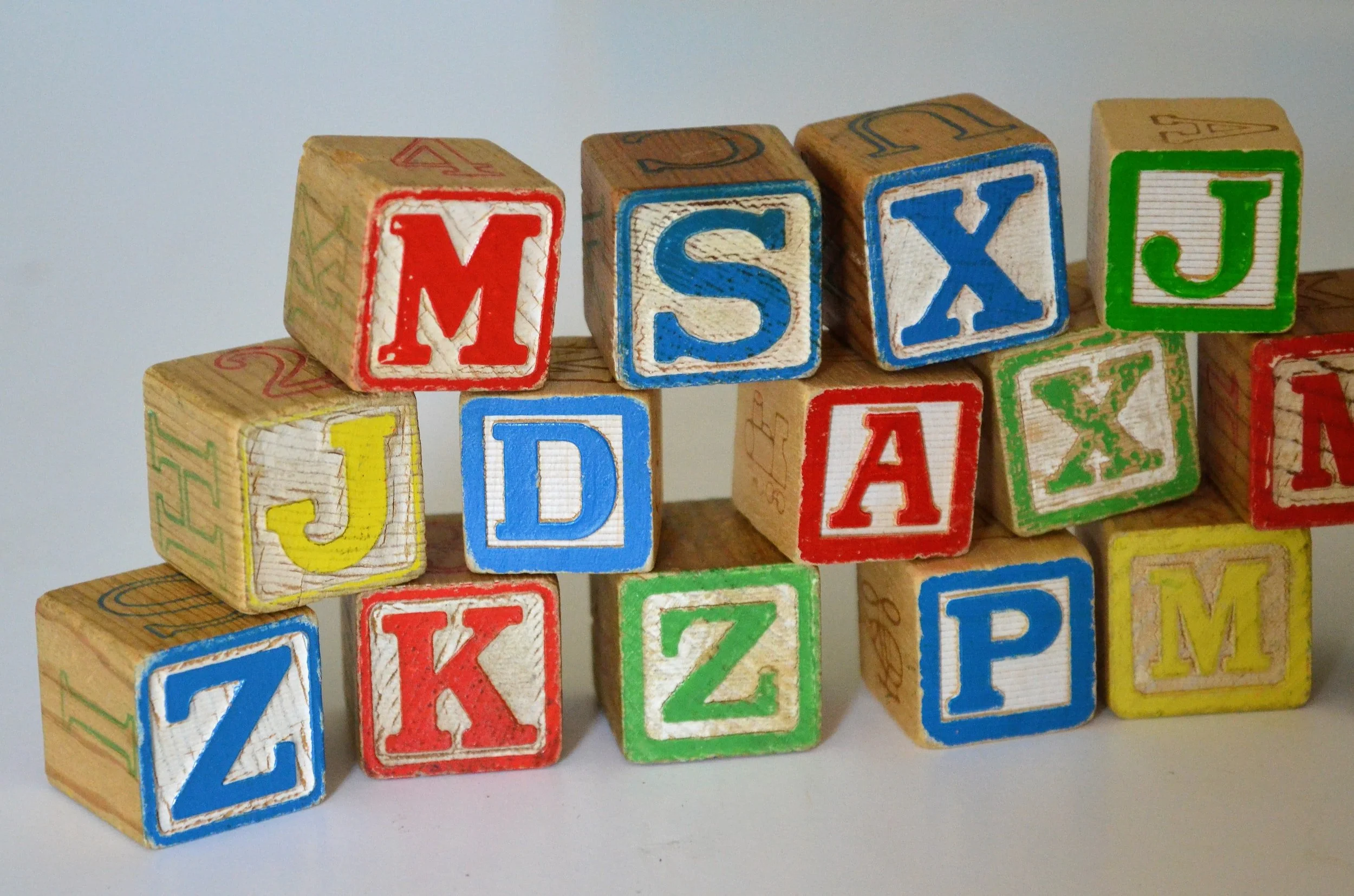
Difficulty with Alphabet
A dyslexic child might have problems remembering the sequence of the alphabet. They might not see the correlation between upper and lower case letters and confusion over letters that look similar and putting letters the wrong way round.