Words are Hard: How Do Children Cope?
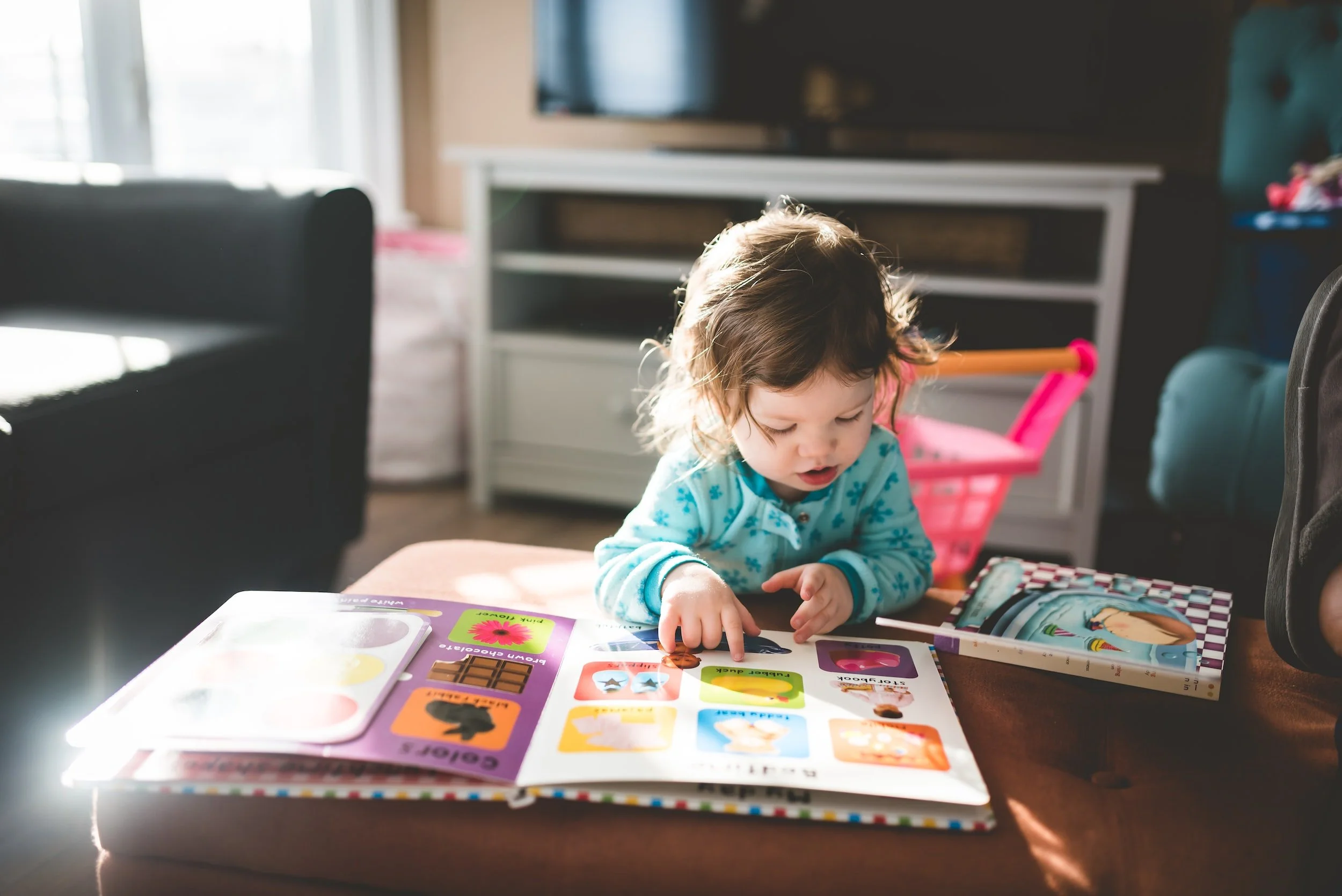
The English language, by most standards, is challenging to learn. Spelling, in particular, is weird. Did you know that only English-speaking countries have “spelling bees?” Why, you ask? Because in other languages, spelling is more predictable. But spelling is about writing; language is about speaking. English features grammatical rules that are often broken, an alphabet that can confuse people who are used to a character-based system, and spelling and pronunciation irregularities that confuse even native speakers. So how do the little ones learn to speak?
In the beginning, there are most likely mistakes. Many young kids say adorable things to describe something they heard incorrectly or cannot remember. Some memorable ones include “spread cheese” instead of shredded cheese or “boo-boo bus” instead of an ambulance. Some mispronunciations are embarrassing, like saying “f**k” instead of fork or truck. Or “titty” instead of kitty. Or maybe a difficult-to-pronounce word, like mayonnaise, comes out as band-aids, something they are more familiar with seeing.
Our youngest son was a late talker. He would grunt and point to what he wanted. Since he was the youngest of three active boys, an argument could be made that his brothers were talking for him, so he did not need to speak. It wasn’t that he didn’t understand; he didn’t form the words. But his frustration revealed itself in tantrums. We sought medical advice, which resulted in speech therapy. Problem solved, or so I thought.
Learning to annunciate words is one thing; retrieving a word from memory is another. Most toddlers outgrow the mispronunciations, although some parents continue with the adorable mistakes. Once children are in elementary school, they are expected to correctly know sight words, gradually grasping more difficult words through phonetics. Coming up with the word from memory can be more challenging.
Our son would describe the word he couldn’t retrieve. It would be a circular discussion about something as simple as a blister, turning it into a long dialog on “that thing that pusses and hurts and is on my foot from my shoe being tight.” Or a more recent one, “the cake topping,” instead of recalling the word frosting. I would joke as we would seemingly be playing a game of charades, “sounds like?”

To describe the difficulty in retrieving words, think of a deck of cards nicely organized in the brain where someone can retrieve a card at will. Other children have their cards, not in a neat deck but scattered randomly, making them more challenging to recall.
However, even organized words are still hard, leaving some children dazed and confused—English has many words that mean two different things. Our youngest son in fifth grade came home after being mystified in his math class. He said the teacher kept saying “Some” of this and “Some” of that. He didn’t understand what it meant. When I explained she meant “sum” as to add, he was very relieved; he now grasped the lesson. Then in his eighth-grade history class, the teacher asked what a monarch is; his response was a butterfly. Homophones can be particularly confusing.
Teachers often say that late talking, misspeaking, poor recall, or word confusion is something a child grows out of doing. I would be skeptical. Did you know that 30% of late talkers don’t outgrow their delay and will need intervention? And one in twelve children between the ages of 3-17 with early misspeaking has a communication disorder? And one in five children are Dyslexic?
Although some children with these issues may have no specific learning challenges, the odds are against them. Of course, there may be other factors affecting these language issues. In our case for late talking, our son’s tonsils were too large for him to speak. Or a hearing issue may be causing children to understand what an adult is annunciating, causing misspeak. But as a parent and eventual grandparents, bringing awareness to the potential issues and their signs is our passion.
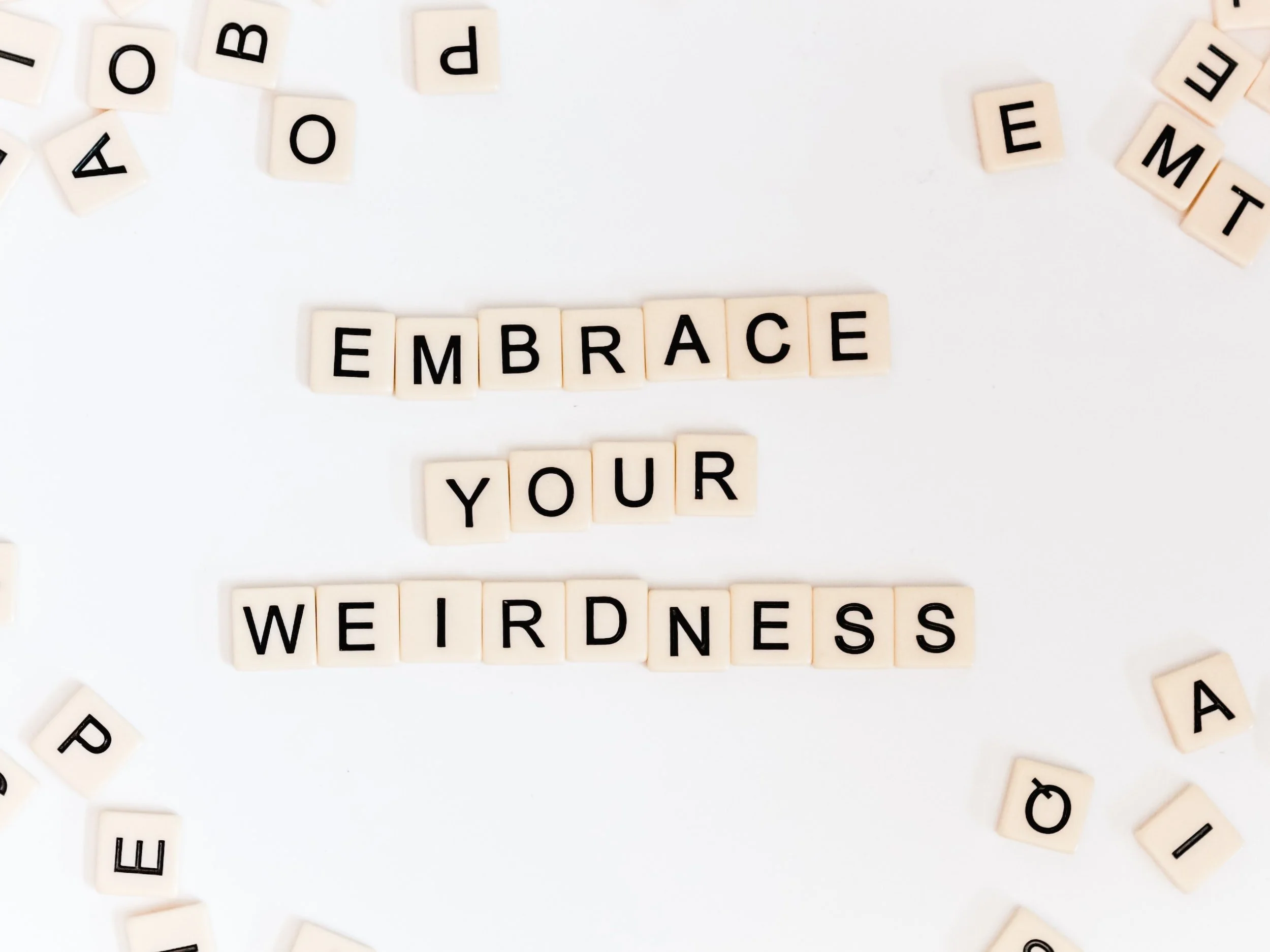
We wrote the book “The Marshmallow Mystery” in the Open Dyslexic font to ease the burden of words and letters jumping around for adults to read to their youngsters and children to begin to recognize words easier. But mostly, our book series is to bring awareness to parents, grandparents, and teachers about Dyslexia and ways to help them be successful in LIFE. They can learn to embrace their perceived weirdness as their superpower.
If you want to learn more, go to www.cjcorki.com