Telling Time: It’s All Greek to Me
From Sun Dials, Hourglasses, and Pendulum Clock to the current technology of Apple Watches, telling time has improved its accuracy. Throughout history, the development of clocks has played a significant role in improving various fields, from astronomy and navigation to science and industry. But in this crazy busy world, knowing how to tell times impacts our daily lives. Unfortunately, teaching time to grandchildren has become more challenging than ever, especially when those children are dyslexic thinkers.
We live in an age of digital clocks like alarm clocks, smartphones, computers, microwaves, and Apple Watches. We can ask Siri or Alexa what time it is. Technology can help us set reminders to leave for school at 7:00 a.m. or change classes. Our daily lives are scheduled for children with activities from soccer, dance, piano lessons, and more. It is essential to be able to tell the time.
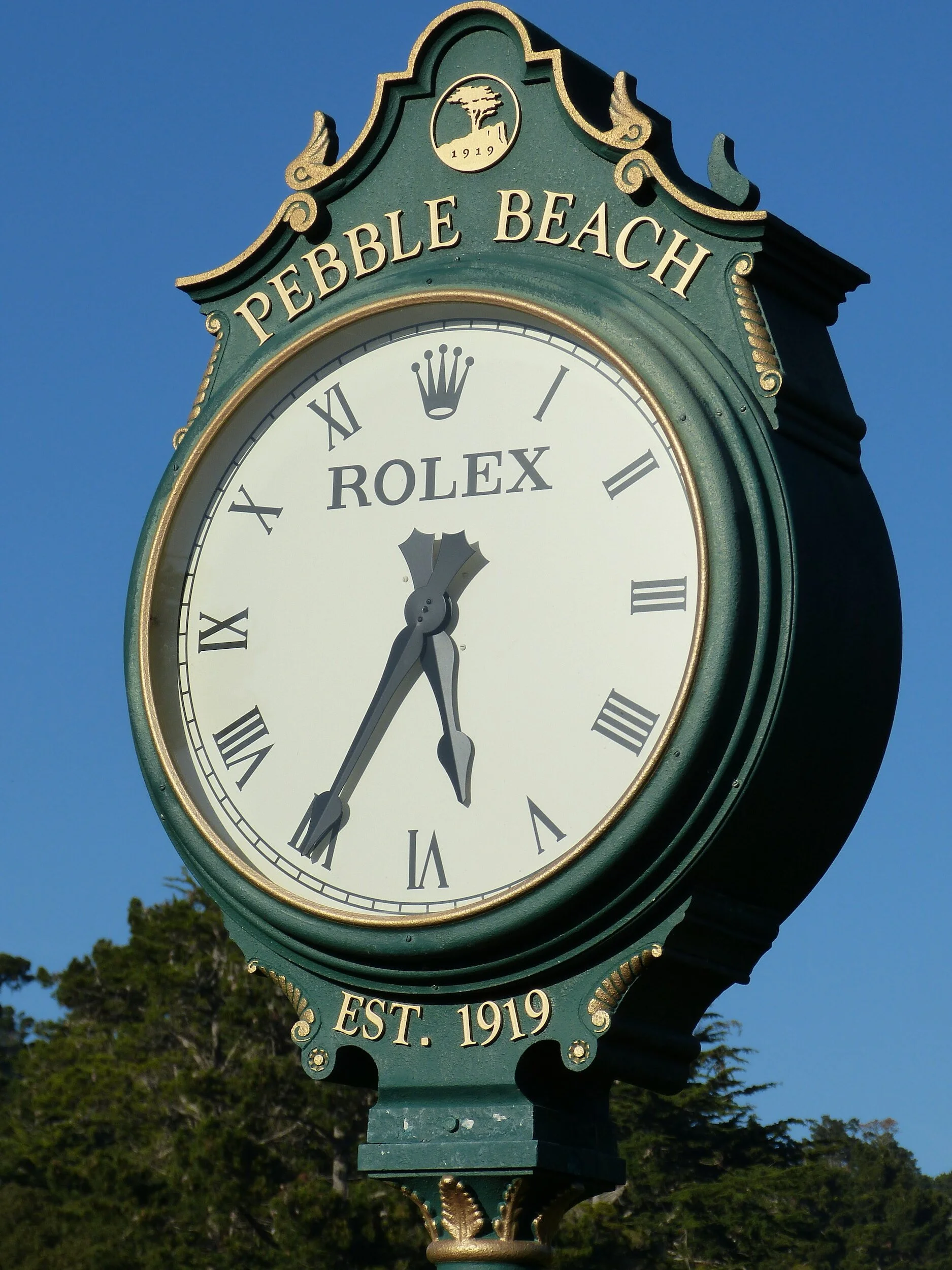
Our dad was a clockmaker. When my children his grandchildren, would visit his house, they would ask, “What are those funny things on a clock?” He would patiently explain Roman numbers and go through the clock face one by one: I, II, III, IV, V, VI, VII, VIII, IX, X, XI, XII. Roman numerals have mostly disappeared from the classroom, so children aren’t exposed to them. They have historical significance, essential to Roman culture and heritage, but little purpose for today’s children. They may see the Roman numerals on antique clocks, chapters of a book, and outlines, but not much else. They add a different dimension to learning to tell time. Another roadblock to knowing the time is this symbol recognition.
However, learning to tell time is challenging, even with a clock using standard Arabic numbers. Children who hear half past four or quarter after five learn math concepts about fractions, not just about telling time. A dyslexic child has an issue with these language-based terms. While telling time might not seem directly related to language, dyslexia can affect verbal comprehension and processing of these concepts. It would be helpful to represent these concepts visually since dyslexic thinkers process with pictures.
How about ten after five or ten minutes to six? It might seem like a simple concept, but dyslexic thinkers have issues with sequential processing. "Before" and "after" require understanding the chronological order of events or actions, which can be challenging for individuals with dyslexia who struggle with sequencing.
If your child is dyslexic, they could have difficulty with visual perception. Dyslexic individuals may have problems processing and interpreting visual information, including understanding the spatial relationships between clock hands and the numbers on the clock face. This can make it challenging for them to read and comprehend analog clocks. A minute hand, an hour hand, then throw in a second had to throw off a small child. Telling time involves remembering the current time, understanding the concept of time passing, and calculating the elapsed time, which can be difficult for those with dyslexia.
Our son, who is dyslexic, solved this problem of telling time in school by memorizing the picture of a clock when school started and what the clock looked like when he would change classes or go home. This was his solution since he is a visual learner with keen memorization skills. But I asked him what time it was on the clock, and he couldn’t answer. Learning clock skills wasn’t a priority and still is not in 2023 as an adult.
Is learning to tell time on an analog clock important? Yes, for several reasons, despite the increasing prevalence of digital watches in modern society. Here is a summary:
1. Telling time on an analog clock is a fundamental skill that introduces children to time and its measurement. It helps them understand the division of hours, minutes, and seconds, essential for many life skills.
2. Analog clocks are still found in various places, such as schools, offices, public transportation, and homes. Reading analog clocks ensures that individuals can interact and interpret time in real-world settings.
3. They provide a visual representation of time passing, showing the current time and the passage of time through the movement of the clock's hands. This visual aid can aid comprehension and understanding, especially for young children.
4. Reading an analog clock involves mental calculation and critical thinking. Understanding the relationship between the positions of the clock's hands and the time it represents can be an excellent exercise for the brain.
5. Mastering analog clocks can make it easier for individuals to transition to digital clocks. Understanding the concepts of hours, minutes, and seconds on an analog clock provides a solid foundation for interpreting digital time displays.
6. In certain situations, such as power outages or when using older devices, analog clocks may be the only available timekeeping option. Knowing how to read them can be helpful in such scenarios.
Although your grandchildren may struggle with telling time, remember these benefits. They might not fully understand the analog clock if they are dyslexic thinkers, but they will accommodate their own needs, especially in this age of technology. Never underestimate the power of a dyslexic thinker. They won’t understand Greek, but they will figure out a solution.