
Alexa, Are You My Grandmother?
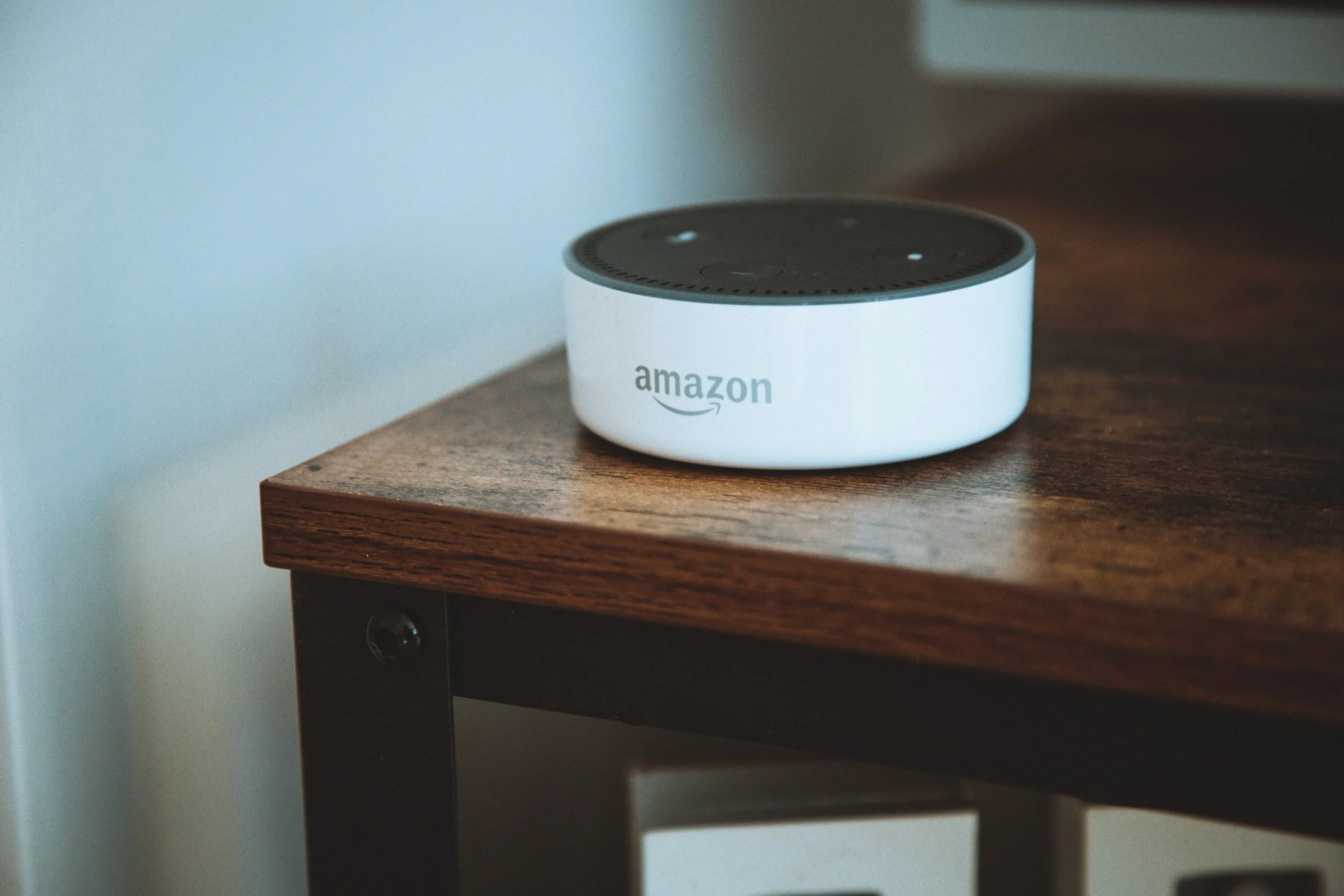
As modern grandmas, we answer to a variety of names. Our young grandchildren might affectionately call us Mimi, Gaga, Nana, or even Grammy. But getting called “Alexa” or “Siri” might make you pause. Those three-year-olds consistently asking “Why?” typically get a patient and accurate response from Grandma, while frazzled parents might say, go ask Alexa. Although using technology can be a lifesaver, overuse of technology can mask the early signs of dyslexia.
Virtual assistants, including Amazon’s Alexa, are designed to provide voice-activated assistance and perform tasks based on voice commands. They can read text aloud and help with specific tasks like setting reminders or answering questions.
Computer Generated voices started in the 1960s. However, in the 1980s, some of my classmates at Georgia Tech made tremendous milestone advances with the first commercially successful text-to-speech systems. I remember the Atlanta airport train system initially having a robotic male voice. It quickly was changed to a female voice to sound more welcoming. Progress!
Fast forward to the 2000s when our son used Dragon/Naturally Speaking to record papers for school. He was diagnosed with dyslexia and dysgraphia in 4th grade. Since writing things down was a challenge, it was considered an excellent tool to resolve the homework dilemma. Unfortunately, technology still wasn’t that advanced, and he could never train it with his young voice.
But now, there are numerous advanced software tools for dyslexic and non-dyslexic children alike. Alexa, Siri, and Google Assistant are just a few popular ones that are used for information daily. “How do you spell banana?” “How do you say A-R-M-A-D-I-L-O?” “What is 5 + 9?” Using these tools like this can also cover a child’s underlying learning issues.
Is your child using these tools to help them with homework? One sign is that they complete their assignment quickly and without too much struggle but fail their in-school tests. Or are they constantly asking Alexa how to pronounce a word, and it might be the same word over again? These tools can be great, but if they haven’t been diagnosed yet with a learning style difference, it could mask an early diagnosis.
As a parent or grandparent, what can you do? Become familiar with the early signs of dyslexia. You can identify some subtle signs as early as three years old. Turn off Alexa if your child seems too dependent on it. Check with teachers if they are in school and ask them what they observe. Be proactive and insist on formal testing if deemed necessary.
But technology such as Alexa can be used successfully as a tool for learning. It is an excellent resource for information. Much better than the encyclopedias we had in our day. Use it for time management by setting timers to monitor studying and reminders for upcoming assignments and tests. It can be used as an audiobook, which was a massive help in getting my kids through reading assignments. If they follow along with an actual book, it will help their reading proficiency and help with words they have never seen before. Alexa can also provide study break reminders and music to help your children relax.
So grandparents embrace technology as valuable devices to assist with learning, not hinder it. Be aware of its masking symptoms of dyslexia by learning more about the early signs. And be flattered that you are being called Alexa; you have the wisdom of ages and the patience of gods.
“Like the gods, patience carves masterpieces from the stone of time. ”
This quote was created with Artificial Intelligence (AI), a technology discussion for another day.
