Literacydemic: The Newest Epidemic in America
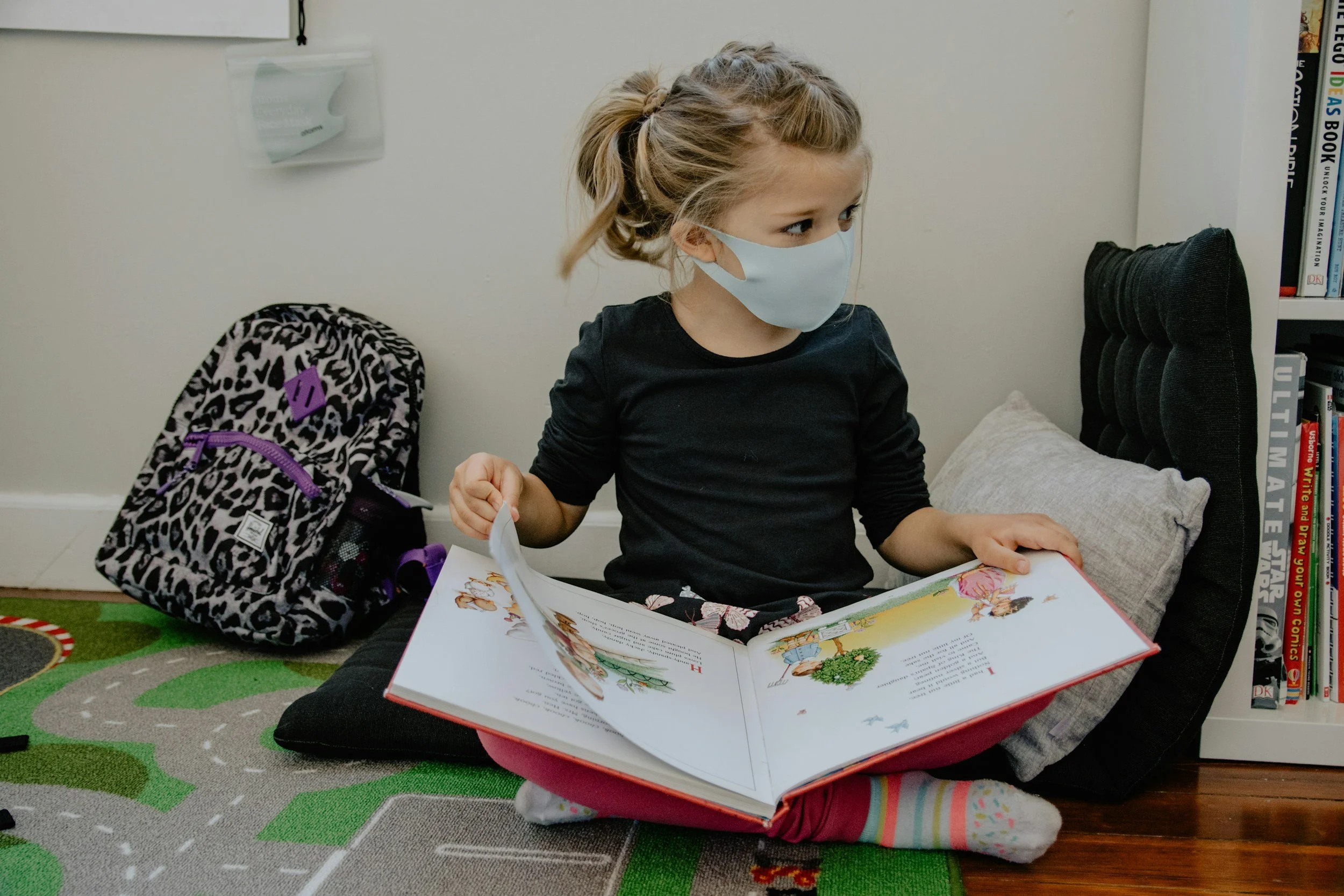
The World has made it through the COVID-19 pandemic, but now we have seen another epidemic hit America: Literacydemic. What does that mean? We are sounding the alarm on this crucial problem: literacy decline. Did you know 67% of American fourth-grade children do not meet reading proficiency assessments?
However, the problem starts even early; 47% of kindergarteners aren’t on track to becoming readers. Findings indicate that gaps in kindergarten readiness relate to a later lack of achievement in elementary school. New research finds that children who learn more in kindergarten earn more as adults and are more successful overall.
It has been said that everything we need to learn in life is taught in kindergarten. This idea by author Robert Fulghum emphasizes the importance of learning values such as playing fairly, putting things back where you found them, apologizing when you hurt someone, and enjoying life's simple pleasures. However, with the current situation, the stakes are higher than ever. Failing in kindergarten can lead to a prediction of failure in life or at least create challenges in catching up later.
Additionally, children who started school during the COVID-19 pandemic have resulted in more than one in three needing intensive reading help. This has led to a "Quiet Crisis" where parents are desperately trying to make up for their children's falling behind and are paying for tutoring as early as preschool.
Blaming teachers and schools for the literacy epidemic is not productive. Could it have been avoided? When a child is born, what can be done to steer them toward literacy success? There isn’t a boot camp for parents or caregivers. In fact, 98% of parents say that healthcare professionals mention nothing about getting started on the road to language development with newborns.
Here are some things parents can do to jump-start their child’s academic success.
Read: Early and Often
It might sound silly to read to a newborn but believe me; they are listening. Choose a book that they can touch and even taste. Board books with bright colors and few words are good choices. “Baby Touch and Feel: Animals” is a recommendation to get them into learning animal sounds. Evidence shows that babies learn the sound an animal makes before they know the animal's name. Our youngest’s favorite book was “Ten in the Bed,” which practiced counting and featured adorable stuffed animals being kicked out of bed. For other book recommendations, CLICK HERE.
Talk: Serve and Return
Parents need more direction than just telling them to read out loud to the children. To start, they need to understand the serve-and-return type of conversation. Babies might be just babbling, but that is their way of communicating. Have a dialog with babies and toddlers. You will be surprised at how much they have to say. Be patient, and make sure you are allowing them time to respond. Sure, just talking to them gives them an excellent vocabulary, but to begin language development, have a conversation. If you want to see this technique in action, CLICK HERE for this father-and-son dialogue.
Teach: Interactive Reading
Another step toward literacy is interactive reading. Identify the book's title, author, beginning and ending. Point to the pictures, shapes, and numbers. Ask questions as you read to test comprehension. Find objects on the page, which is especially fun if hidden. And teach new information with “Did you know?” facts. Need some assistance to get you started? Download some of our FREE ebooks HERE.
Connect: Use All Resources
Connect with your caregivers, teachers, doctors, and other parents to learn more about literacy and if your child is on track. Although you might want to believe your child is advanced in every area, they might be missing some milestones that others have achieved months or years ago. As an example, my youngest was a late talker. When he did finally begin to utter words, they sounded raspy. I never really thought about it until a parent suggested I have him checked out. Sure enough, his tonsils were so large that he had a hard time speaking. It probably even hurt to talk. With a quick surgery and speech therapy, we got him back in line with his peers with a conversation.
Budget: Time and Money
It might be time to join the quiet crisis and take your child to a tutor to have them catch up where they fell behind. Our oldest was at a second-grade reading level in fourth grade, but after a summer of intensive tutoring, he excelled to the seventh-grade level. Sure, it is expensive, but committing to literacy was at the top of our list. If you're not ready for your preschooler to begin an afterschool tutoring program, budget your time and work with your child or grandchild individually on letters of the alphabet. Alphabetic knowledge is among the most robust, reliable early predictors of future reading success and failure.
Advocate: Believe your child can do better. If not you, who?
Many parents believe their child is perfect and will always be at the top of their class. However, when their child's grades slip, they may become more inclined to advocate for them. When my son was falling behind in school, I didn't know that I could request that the school test him for learning differences. It was only after he was diagnosed with dyslexia that I realized I could advocate for him through high school. It's important to remember that grades don't define a person's worth, and someone needs to see that there is more to a student than just the grade on their paper.
Join us in sounding the alarm on this Literacydemic. We may have coined a made-up word to make a point, but the literacy crisis is genuine. Let's solve the literacy epidemic now: parents, grandparents, caregivers, and teachers. Pledge to do better with the new babies and lift those who fell behind. Please share this blog, follow us, and subscribe to our newsletter to get the word out to as many people as possible. All children should be given the gift of reading.