Why Grandparents Should Teach the American Revolution to Their Grandkids: Building Bonds Through History
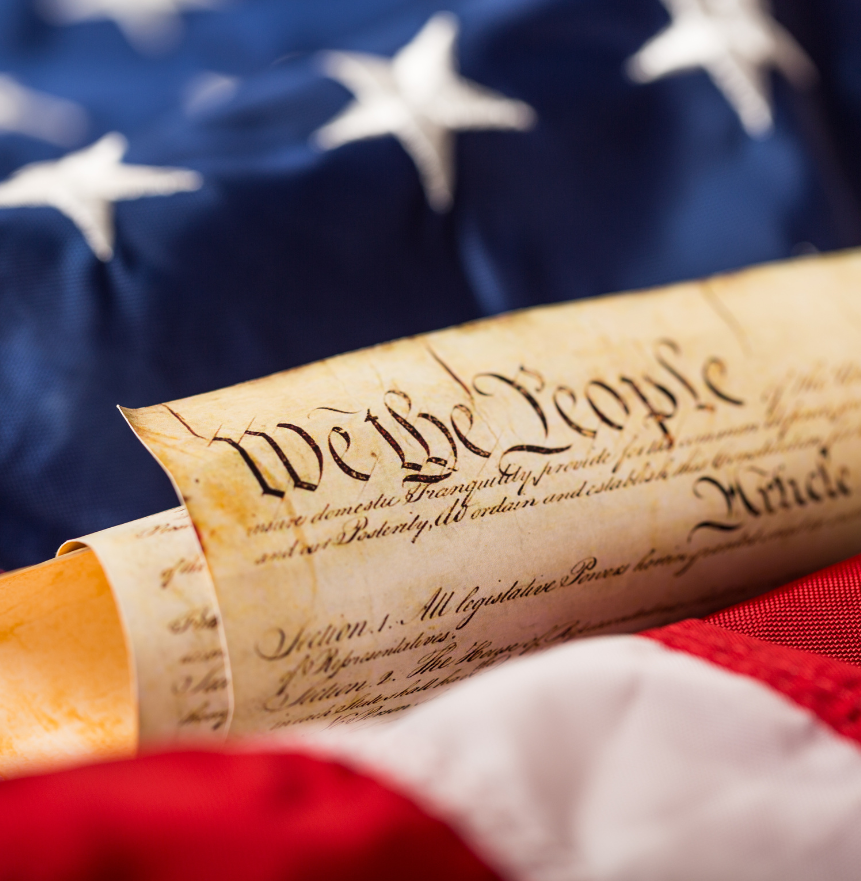
Understanding the American Revolution is crucial, especially as we approach the 250th anniversary of our nation's founding. This pivotal event laid the foundation for the freedoms and democratic values we cherish today. Teaching grandchildren about this era is an opportunity to pass on historical knowledge and build strong intergenerational bonds. With life experience, wisdom, and perspective, grandparents can make history come alive in meaningful and memorable ways.
Grandparents have the extraordinary opportunity to be storytellers, educators, and role models. By embracing this role, we enrich the minds and hearts of our grandchildren and ensure that the legacy of the American Revolution continues to inspire and guide generations to come.
1. Passing Down the Legacy of Freedom
The American Revolution is more than just battles and dates—it’s a story about the fight for freedom, equality, and self-determination. As grandparents, having lived through times of social and political change, we can use our own experiences to illustrate how these revolutionary values have continued to shape the nation. By teaching our grandkids about the struggle for independence, grandparents play a crucial role in passing down the legacy of freedom and inspiring the next generation to appreciate the liberties they often take for granted.
2. Providing a Personal Touch to History
Grandparents can make history feel personal and relatable. By sharing our own stories and family histories, we can bridge the gap between past and present, making the events of the American Revolution feel more real to our grandkids. Whether it's through storytelling, family traditions, or even tracing family roots back to the Revolutionary era, grandparents can make history come alive in ways that school lessons might not.
For example, telling my grandkids that three Revolutionary War soldiers are resting in the Hoge/Howe family cemetery makes history come alive. The thrill of knowing their ancestors played a role in America's founding can ignite a passion for history like no textbook ever could.

Major Daniel Howe, Revolutionary Soldier
3. Fostering Critical Thinking and Perspective
Learning about the American Revolution offers an excellent opportunity for children to develop critical thinking skills. Grandparents can guide their grandkids in analyzing the reasons behind the colonists' fight for independence, the key figures who shaped the war, and the moral and ethical questions that arose during the period. By encouraging kids to ask questions like “Why did the colonies want independence?” or “What does it mean to stand up for your beliefs?”, grandparents can foster an environment of curiosity and open discussion.
Children are often taught history in a way that emphasizes facts and dates, but grandparents can offer a broader perspective. They can help their grandkids explore the "why" and "how" of the American Revolution, encouraging them to think critically about the decisions made by historical figures and the consequences of those actions.
4. Instilling Patriotism and National Pride

The American Revolution is a symbol of resilience, unity, and the will to create a better future. Teaching grandchildren about this period can help instill a sense of patriotism and pride in their country. Grandparents can share stories about the bravery of the Founding Fathers, the courage of the Continental Army, and the vision of the nation’s founders to create a country based on liberty and justice for all.
By understanding the challenges the early Americans faced and overcame, children can better appreciate their country’s history and values. This connection fosters a sense of belonging and a desire to contribute positively to the nation’s future, strengthening their identity as citizens.
5. Encouraging Family Traditions and Learning Together
Teaching the American Revolution doesn’t have to be confined to textbooks. Grandparents can turn this learning experience into fun and engaging activities, such as:
• Reading historical books or biographies about key figures like George Washington or Benjamin Franklin. Who Was George Washington?" by Roberta Edwards is just one recommendation.
• Visiting historical sites, like local museums, battlefields, or reenactment events, to bring history to life. My personal favorite is Williamsburg.
• Watching educational films or documentaries, followed by discussions to deepen understanding.
• Participating in arts and crafts, such as replicating the original American flag or drawing scenes from crucial battles.
By making learning interactive and enjoyable, grandparents create lasting memories that enrich their relationship with their grandchildren. These activities also introduce the idea of lifelong learning and the value of curiosity about history and the world around them.
6. Strengthening Intergenerational Bonds

Teaching history offers a natural opportunity for grandparents and grandchildren to spend quality time together. Discussing the American Revolution provides a shared interest, allowing both generations to engage in meaningful conversations about the nation's past and present. These discussions can lead to deeper conversations about values, citizenship, and what it means to contribute to society—topics that are important to both young and old.
Through these conversations, grandparents can impart wisdom and life lessons, helping their grandchildren navigate the complexities of modern life while drawing on the timeless principles of the American Revolution. This teaching and learning process strengthens family ties and creates cherished moments of connection and shared understanding.
7. Building Moral Lessons Through Historical Examples
The American Revolution is filled with moral lessons that grandparents can impart to their grandchildren. The bravery of the revolutionaries in standing up against injustice, the perseverance of ordinary citizens in the face of overwhelming odds, and the collaboration between different states to achieve a common goal are all powerful examples of ethics and responsibility.
By teaching these lessons, grandparents can help their grandkids understand the importance of standing up for what is right, even when it is difficult, and working together to achieve greater good. These lessons are timeless and can apply to many aspects of a child’s life, from school challenges to friendships.
8. Leaving a Lasting Legacy
Grandparents often reflect on the legacy they wish to leave behind for their families. Teaching the American Revolution is an excellent way for them to share the stories, lessons, and values that are most important to them. By passing down knowledge about the Revolution, grandparents contribute to the intellectual and moral growth of their grandchildren, ensuring that the next generation carries forward the ideals that have shaped the nation.
In doing so, grandparents leave behind a legacy of understanding, patriotism, and a love of learning—qualities that will influence their grandchildren for years to come.
Conclusion: A Timeless Gift of Knowledge and Connection
Teaching the American Revolution to grandchildren is more than just sharing historical facts—it's about instilling values, sparking curiosity, and creating meaningful connections across generations. Grandparents, with their rich life experiences and wisdom, have a unique opportunity to shape how their grandkids view history and understand the significance of freedom, sacrifice, and resilience.
By making history personal, engaging, and relevant, grandparents can ensure that the legacy of the American Revolution and the values it represents are preserved for future generations. It's a timeless gift of knowledge, pride, and connection that will be cherished for years to come.
For information on the American Revolution, see our blog, The Fight for America’s Soul and the Importance of Teaching the American Revolution to Future Generations.