The Fight for America’s Soul and the Importance of Teaching the American Revolution to Future Generations
“Give Me Liberty, or Give Me Death” Patrick Henry

The fight for America's soul had begun with liberty on the line and revolution in the air! Understanding the American Revolution is crucial, especially as we approach the birth of our nation’s sestercentennial (250 Year Anniversary). This transformative period in world history was marked by political upheaval, armed conflict, and the birth of a new nation. From the mid-18th century through the early 1780s, the American colonies sought to break free from British rule, fueled by mounting tensions and oppressive policies. By exploring the major events, key figures, and underlying causes of the American Revolution, we gain a deeper appreciation and understanding of this defining moment in American history.
By sharing the history stories, we educate the young and ignite a spark of curiosity and pride in their heritage. Each tale of bravery, resilience, and sacrifice from the American Revolution serves as a beacon of hope and a testament to the indomitable human spirit. Let us pass down these invaluable lessons, nurturing a sense of identity and purpose in our grandchildren and empowering them to shape a future rooted in the principles of freedom and democracy. See Why Grandparents Should Teach the American Revolution to Their Grandkids: Building Bonds Through History to discover the importance of sharing history.
To help you out, here is a detailed summary of “Did You Know” facts about key events in a way that will help you explain them to your grandchildren. Together, you can embark on a captivating journey through time, reliving the moments that shaped the birth of a nation.
The French and Indian War: Setting the Stage for Revolution
The roots of the American Revolution can be traced back to the French and Indian War (1754–1763). This epic battle was part of a larger, global struggle called the Seven Years' War, fought between Britain and France, along with their Native American and European friends and enemies. The war ended with Britain winning, but keeping control over the new lands they won was super expensive.
To make up for the huge costs, Britain decided to tax its American colonies. They thought this would be an easy way to get their money back, but the colonists didn’t like the idea at all. These new taxes and rules upset the colonists and made them start thinking about breaking free from British rule.
Economic Burdens: The Currency and Sugar Acts
In the early 1760s, the British Parliament started making rules that were like tight ropes around the colonial economy. Imagine you have a lemonade stand, and someone suddenly says you can't use your money to buy lemons and sugar! That happened with the Currency Act of 1764, which stopped the colonies from printing their own money. Then came the Sugar Act, which put taxes on sweet treats like molasses and sugar. These rules made it hard for colonists to trade and get the things they needed, causing a lot of frustration and making them think, "Hey, maybe we should break free from these unfair rules!"
The Stamp Act of 1765: "No Taxation Without Representation"
Imagine you have a collection of super cool trading cards, and suddenly, someone says you have to buy special stickers for each card to keep them. That's kind of what the Stamp Act of 1765 was like for the American colonists. They had to buy stamps for every piece of paper they used, from newspapers and legal papers to even playing cards!
The colonists were not happy about this. It felt like someone from far away was trying to control their lives, making them pay extra money without asking their permission. So, all the colony leaders got together in a big meeting called the Stamp Act Congress. They decided to send a strong message to Britain: "Hey, you can’t just tax us without giving us a say!” This became known as “No taxation without representation.”
Guess what? Their loud and clear message worked, and the Stamp Act was canceled in 1766! But, the colonists had already started thinking, “Maybe we don’t need Britain telling us what to do at all.” This set the stage for more exciting adventures in the journey to American independence.
Rising Tensions: The Boston Massacre of 1770

Tensions between the colonies and the British kept growing, leading to violent clashes. One of the most notorious events happened on March 5, 1770, known as the Boston Massacre. British soldiers, facing an angry crowd of colonists in Boston, opened fire, killing five men and injuring others. Among the dead was Crispus Attucks, a man of African and Native American descent, whose death later became a symbol of the fight for freedom. This incident was widely spread through Paul Revere’s printed image, called an engraving, which depicted the British as the aggressors and further fueled anti-British feelings across the colonies. The Boston Massacre became a powerful tool for propaganda, a form of advertising, bringing many colonists together against British rule.
Economic Defiance: The Boston Tea Party of 1773
The British government didn't like how the colonists were not following their rules, so they tried something new called the Tea Act of 1773. Imagine if only one shop in town could sell your favorite candy and they charged whatever they wanted! That's what happened with tea, and it made a lot of people very angry.
So, on the night of December 16, 1773, a group of brave colonists dressed up like Mohawk Indians and snuck onto British ships in Boston Harbor. They didn't take anything; instead, they threw 342 chests of tea into the water! This event, called the Boston Tea Party, was like a big, splashy protest party saying, "We won't let you boss us around!"
But then, the British got even stricter with rules called the Intolerable Acts. This made the colonists even more determined to stand up for themselves.
The Intolerable Acts: Pushing Colonists to the Brink
The British were very upset about the Boston Tea Party, so they made some really strict rules called the Coercive Acts in 1774. These rules were meant to punish the people in Massachusetts and make them behave. They closed the big port in Boston, stopped the local government from working, and made people let British soldiers live in their homes.
But instead of scaring the colonists, these rules made them even more determined to stand up to the British. In September 1774, leaders from 12 of the 13 colonies came together in Philadelphia for a big meeting called the First Continental Congress. They wanted to find a way to work together to fight back. This was the beginning of their plan to become independent.
The Shot Heard 'Round the World: The Beginning of Armed Conflict
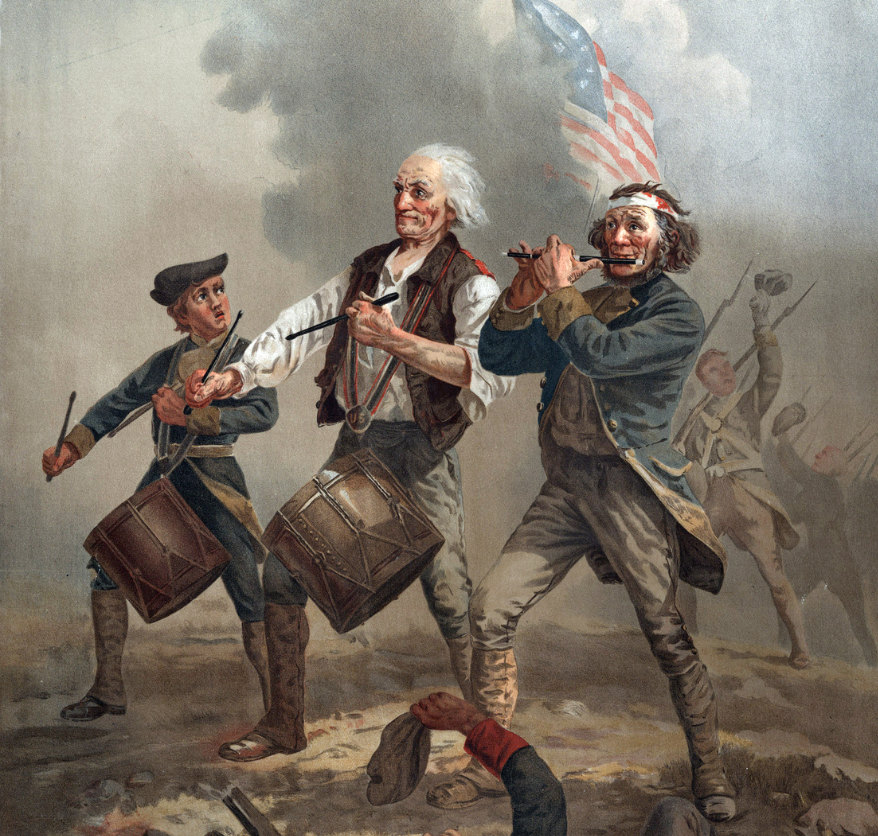
The American Revolution officially began on April 19, 1775, with the battles of Lexington and Concord. Imagine someone taking your favorite toy away, and you and your friends decide to get it back. The colonists did that when British soldiers tried to take away their weapons. Brave colonial fighters, called Minutemen, stood up to the soldiers. The first shots fired at Lexington were like the loudest firecracker you've ever heard, marking the start of a big fight for freedom – people called it the “shot heard round the world.”
After those first skirmishes, there were more important battles like the Siege of Boston and the Battle of Bunker Hill in 1775. The colonists, just like determined heroes in a story, kept fighting hard for their independence.
Declaration of Independence: The Birth of a Nation
On July 4, 1776, something amazing happened! The leaders of the American colonies got together and wrote an important letter called the Declaration of Independence, mostly written by a smart guy named Thomas Jefferson. This letter was like a giant "We Quit" note to King George III, saying that the thirteen colonies wanted to be their own country and not follow his rules anymore.
In this special letter, they explained why they were unhappy and said everyone should have the right to "life, liberty, and the pursuit of happiness." It was like a big cheer for freedom!
This day, the Fourth of July, marked the start of a brand-new country called the United States of America. But even though they declared their independence, they still had to fight hard to make it real.
The Road to Victory: Key Battles of the Revolutionary War
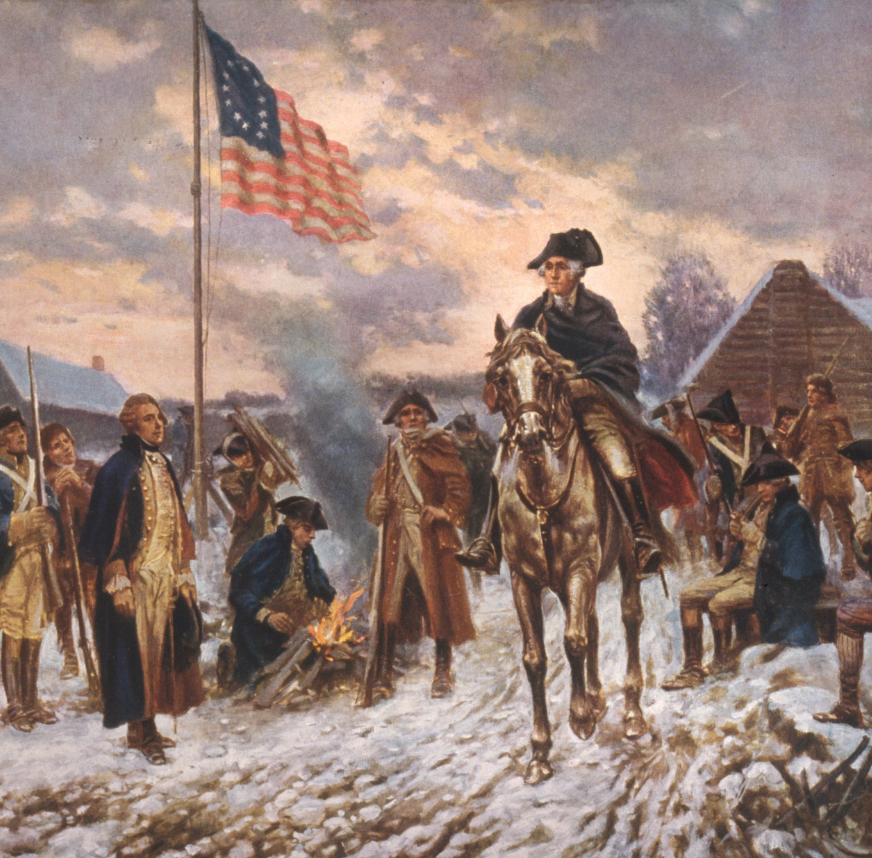
The American Revolution saw many important battles that felt like scenes from an exciting adventure story. Let's talk about two very important ones:
Battle of Saratoga (1777): Imagine having a big game and suddenly getting help from the best player. That's what happened to the American fighters when they won this battle. Their win convinced France, a powerful friend, to join them, just like getting a strong teammate.
Battle of Yorktown (1781): Think of this as the grand finale where the good guys finally catch the bad guys. General George Washington, the American team's leader, with the help of French friends, trapped the British leader, General Cornwallis. This big win made the British give up and go home.
The Treaty of Paris: Officially Ending the War
After years of fighting, something super exciting happened on September 3, 1783! It was like the end of a big game where everyone finally shook hands and made peace. This particular day is when the Treaty of Paris was signed, which was like a magic paper that said, "The United States is now a free country!" The British agreed to let the Americans have their own land and make their own rules. This meant the long battle ended, and a new country was born. Hooray!
The Legacy of the American Revolution
The American Revolution was more than just a big fight to be free—it was like a giant adventure story with brave heroes who had big ideas about how people should be free and happy. They believed everyone should have a say in their own lives and that no one should be the boss of everyone just because they wear a crown.
Learning about the exciting events and people of the American Revolution shows us how determined the early Americans were. They never gave up, even when things were really tough. Today, their story reminds us that when we work together and stand up for what's right, we can make amazing things happen.
Conclusion
Teaching your grandchildren about the American Revolution can help connect generations and make history more engaging for them. Get them involved in the American story of Life, Liberty, and the Pursuit of Happiness to show them why history matters.