Duck and Cover: The Quirky Safety Drills That Shaped Generations
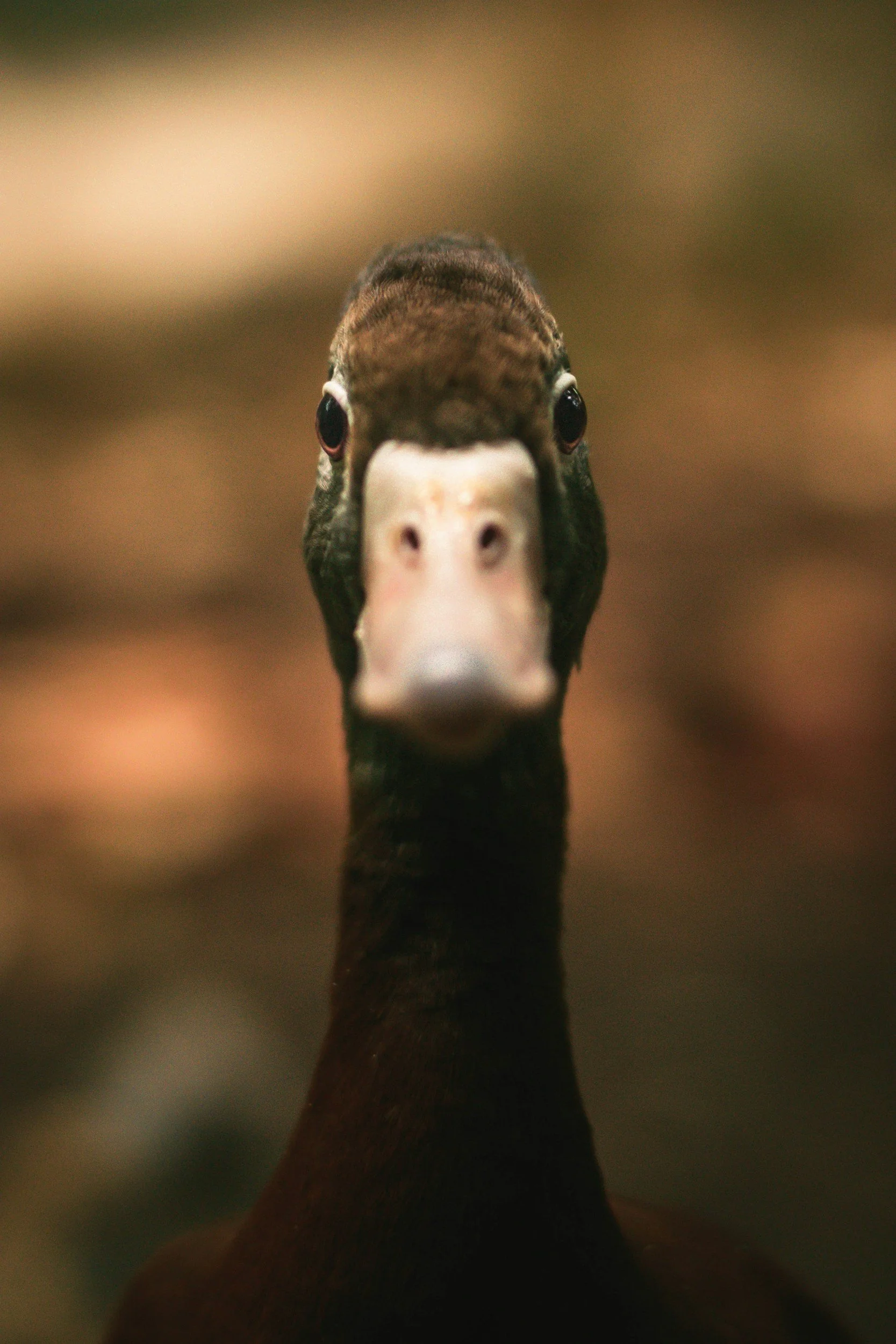
Ever wonder why we cling to 'duck and cover' drills and other outdated safety protocols?
I can honestly say that I haven't thought much about either "ducking" or "covering" since I was a kid practicing that drill in grade school. However, a few months back, I was in Las Vegas and found a nondescript museum with little signage identifying an atomic museum. Curiosity got the best of me, and I spent hours in the archives. Since our grandkids' school is about to start, this blog felt timely.
Introduction
The Duck and Cover Era
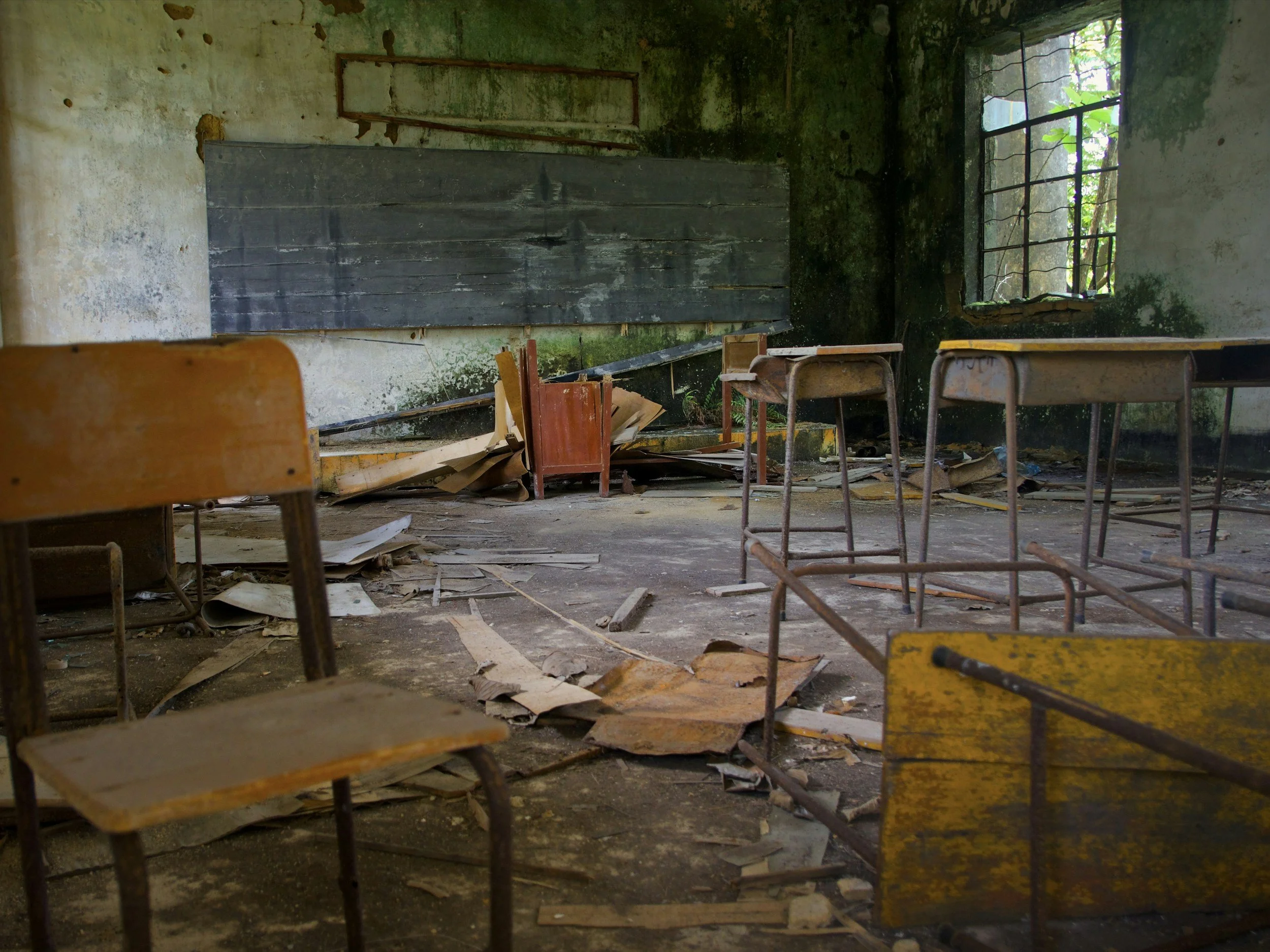
So, let me tell you a story. Back in the day, we had this thing called 'duck and cover.' It was supposed to save us from nuclear bombs—yep, you heard that right. We were told to hide under our desks and cover our heads as if a flimsy piece of wood could protect us from a massive explosion.
The U.S. government introduced 'duck and cover' drills in schools across America. They'd show us these films with a cartoon turtle named Bert, who'd tell us to "duck and cover" if we saw a flash. We'd crouch under our desks, cover our heads, and wait for the all-clear.
At the museum, they had old footage that showed what a nuclear blast would do to homes and people. Well, it would probably bring global panic. Anyhow, plenty of these rules have been implemented over time to give us a false sense of control. Let's dive into my tales and see how they played out.
Why Did We Buy into It?
Now, I know what you're thinking. How could anyone believe hiding under a desk would protect them from a nuclear bomb? Without getting into the psychology of fear, fear does funny things to people. The truth is, those drills gave us something to do, a way to feel like we had a bit of control in an uncontrollable situation. And let's be honest, it was an excuse to get out of regular classwork for a bit!
Other Outlandish Rules
Here are a few more crazy antics we participated in.
Stop, Drop, and Roll
Then there was 'stop, drop, and roll.' Oh, the number of times we practiced rolling around on the floor in case we caught fire. Not that catching fire was a common occurrence, mind you. But it was comforting to think we had a plan. Plus, rolling around like a log was fun, even if it meant getting dirt all over our clothes.
Hold on Tight!
I didn't grow up in tornado alley, but the stories go that kids would crouch in hallways, heads between their knees, during tornado drills, sometimes for hours. A friend of mine who lived in Kansas in an area where tornadoes were rare still practiced this important survival skill. As a critical-thinking adult now, she says that it was like a strange little dance they did, all lined up like ducklings, waiting for the storm that rarely came.
Earthquake Drills
The "Drop, Cover, and Hold On" drill was taught to every California kid and practiced regularly to ensure it became second nature. We lived in California and were shocked when our kindergartener came home and taught us how to 'drop,' where we dropped to our hands and knees to prevent from being knocked over, and 'cover,' where we take cover under a sturdy piece of furniture, like a desk or table, protecting our head and neck with one arm and hand, and 'hold on,' by simply holding onto the furniture leg with their other hand until the shaking stops.
The Humor and Irony
A Look Back with Laughter
Looking back, it's hard not to chuckle at the absurdity of it all. My friend Ellen used to joke that if a bomb did drop, at least we'd have clean knees from all the ducking and covering. We laughed about it, but these drills had a certain irony. They were meant to prepare us for the worst, but what they really did was give us a way to cope with our fears.
The Unexpected Comfort
Believe it or not, these drills did provide a strange sense of security. It was like a comforting ritual. The world might be on the brink of destruction, but we had our desks and our drills. It's the same reason people hold onto good luck charms or follow superstitions—they give us a sense of control in a chaotic world.
Why We Cling to These Practices
The Psychology of Control
Humans have an innate desire to feel in control. When faced with terrifying uncertainties, like nuclear war or natural disasters, we grasp at anything that offers a semblance of power. 'Duck and Cover' was less about actual safety and more about psychological comfort. It was a way to manage our fear.
Modern-Day Equivalents
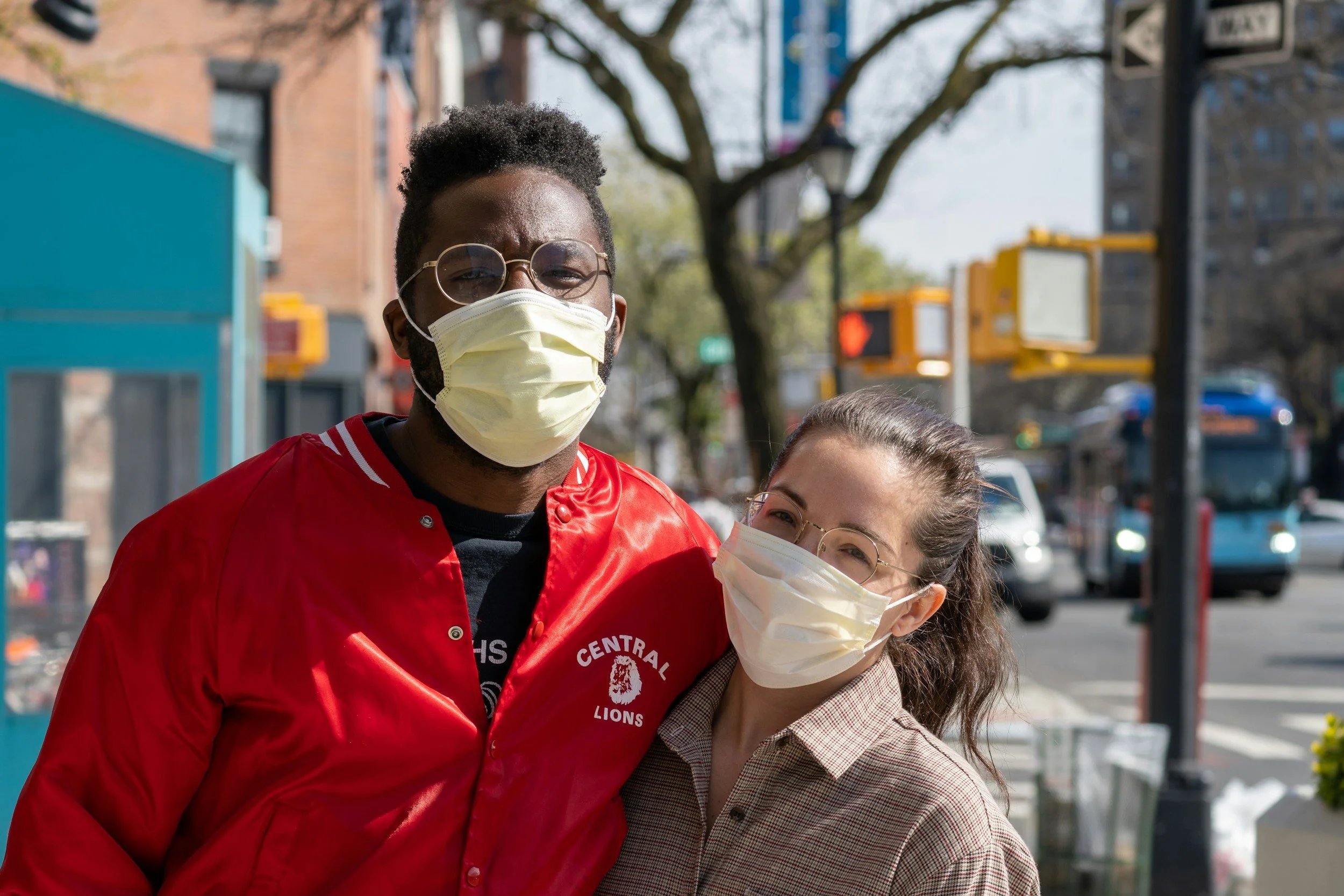
We see similar behaviors today. Think about how we reacted during the recent pandemic—constantly washing hands, wearing masks, hoarding toilet paper. While some of these actions were effective, others were more about feeling like we were doing something, anything, to protect ourselves.
Helping Our Grandkids Cope
What can we learn from Grandma's stories? Even if the rules and rituals from the past seem silly now, they played a crucial role in helping us manage our fears and feel more in control. We can pass on this wisdom to our grandkids by encouraging them to create comforting routines and practices. These small acts can help them navigate anxieties and build resilience, giving them a sense of stability in an ever-changing world.
Embrace the Humor
It's essential to find humor in these practices. Laugh at the absurdity, appreciate the comfort they provided, and recognize the underlying human need they fulfilled. And remember, whether ducking under a desk or rolling on the floor, we're all just trying to navigate this unpredictable world the best we can.
Final Thoughts
Looking back at those 'duck and cover' days, I can't help but smile. We might have been naive, but we were resilient. We found ways to cope, to feel safe, and to support each other. And isn't that what truly matters? So next time you hear about an outdated rule or a quirky safety drill, remember Grandma's stories and chuckle at the shared human experience of finding control in chaos.