Puzzle Bonds: Connecting Generations
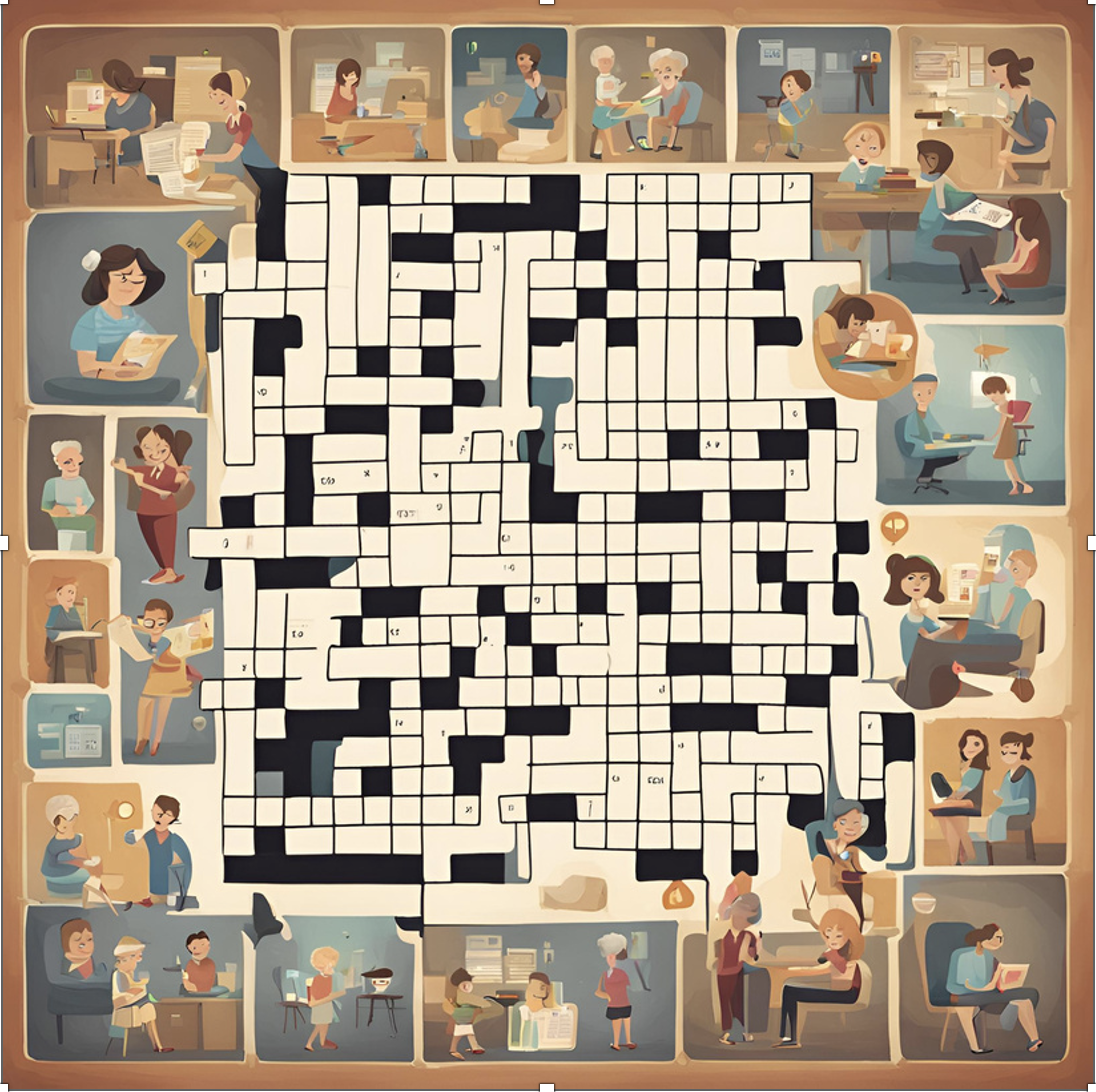
Whenever I investigate people's puzzle-solving origins, the story is often similar, it all began in childhood, typically under the guidance of a beloved family member, like a parent or grandparent. The memories of those intimate moments spent together are always filled with warmth and nostalgia. For many, diving into puzzles as adults is a way to recapture those cherished feelings.
I remember those early Sunday mornings from my childhood when I leaned over the back of my father’s armchair to watch him work on yet another crossword puzzle. His swift maneuvers through the puzzles left me in awe, convinced he was the brightest around. Dad even taught me the art of folding the paper to reveal only the crossword and explaining the virtues of using a pen over a pencil on newsprint. His long work hours during the week made those quiet crossword sessions all the more precious. So, when I eventually took a stab at the crossword puzzles as an adult, I followed his technique faithfully, folding the paper and brandishing a pen confidently.
Thanks to modern technology, puzzles have become a new touch point for connection, with group texts and chat platforms fostering a sense of community. I know several adults who kick off their mornings by sharing their Wordle, Contexto, and Connections scores with their kids. Even grandparents are getting in on the action, subscribing to puzzle services to bridge the gap with distant grandchildren. While it may not replicate the experience of solving puzzles at the dinner table, it's a close second in bonding.
As our lives become increasingly digitized, the allure of traditional puzzles remains undiminished. There's something deeply satisfying about the feeling of pen on paper, the tangible evidence of progress as you fill in each square or connect the dots. In a world dominated by screens and virtual interactions, the simplicity of a puzzle offers a welcome respite—a chance to unplug and engage in a solid pursuit that requires nothing more than your mind and a few moments of quiet concentration.
Puzzles serve as a timeless form of mental exercise, stimulating our problem-solving abilities and keeping our minds sharp as we navigate the challenges of daily life. Whether it's a crossword, Sudoku, or a jigsaw puzzle, each game presents a unique set of problems to solve, fostering creativity and critical thinking. In an age where information is readily available at our fingertips, puzzles offer a refreshing change of pace—a chance to slow down, think deeply, and savor the satisfaction of finding the solution to a puzzle through honest effort.
I remember my grandmother's kitchen table, perpetually strewn with pieces from an ongoing jigsaw puzzle. She'd sit there with a cup of tea, methodically sorting through the pieces, and I'd join her, eager to find that elusive edge piece. Her patience and methodical approach taught me not just about puzzles but also about persistence and the joy of progress. We'd chat about our day and share stories, and in those moments, the puzzle became a backdrop to our bonding.
Then, there were the long car rides during family vacations, where my mom would hand me puzzle books to keep me entertained. Word searches, mazes, and logic puzzles occupied my mind, turning those seemingly endless hours into a fun challenge. I remember the thrill of racing to complete a puzzle before we reached our destination and the satisfaction of showing off my completed pages to my parents. These memories are a testament to how puzzles have intertwined with my life, shaping my skills and relationships.
These cherished memories remind me that puzzles are more than just games; they are a way to connect, learn, and create lasting bonds. Whether it's sharing a crossword with a loved one or tackling an NYT Strands game alone, the joy of puzzling is a timeless treasure that continues to enrich our lives.