Why Losing is the Best Lesson for Your Grandkids' Future
What do you think? Are gray hair, achy joints, and bifocals some of your greatest blessings? For me, the answer is emphatically yes! Why, you may ask? With these badges, we typically become grandparents. Becoming a grandparent may be biological, situational, or even spiritual. Regardless of your family dynamics, we have the power to influence the next generation.
Yes, we can spoil them just a bit, but we have an essential role in guiding them through life's challenges alongside the fun and games. One such challenge is learning to compete and handle loss with grace.
The Importance of Competition and Losing

First off, competition is a natural part of life. Whether it's sports, academics, or even a friendly game of Farkle at a family gathering, our grandkids will inevitably face situations where they compete. And with competition comes losing. Not the possibility of losing, but actually losing. Now, we all know that winning feels fantastic, but it's losing that offers equally valuable lessons. It teaches resilience, humility, and the importance of perseverance.
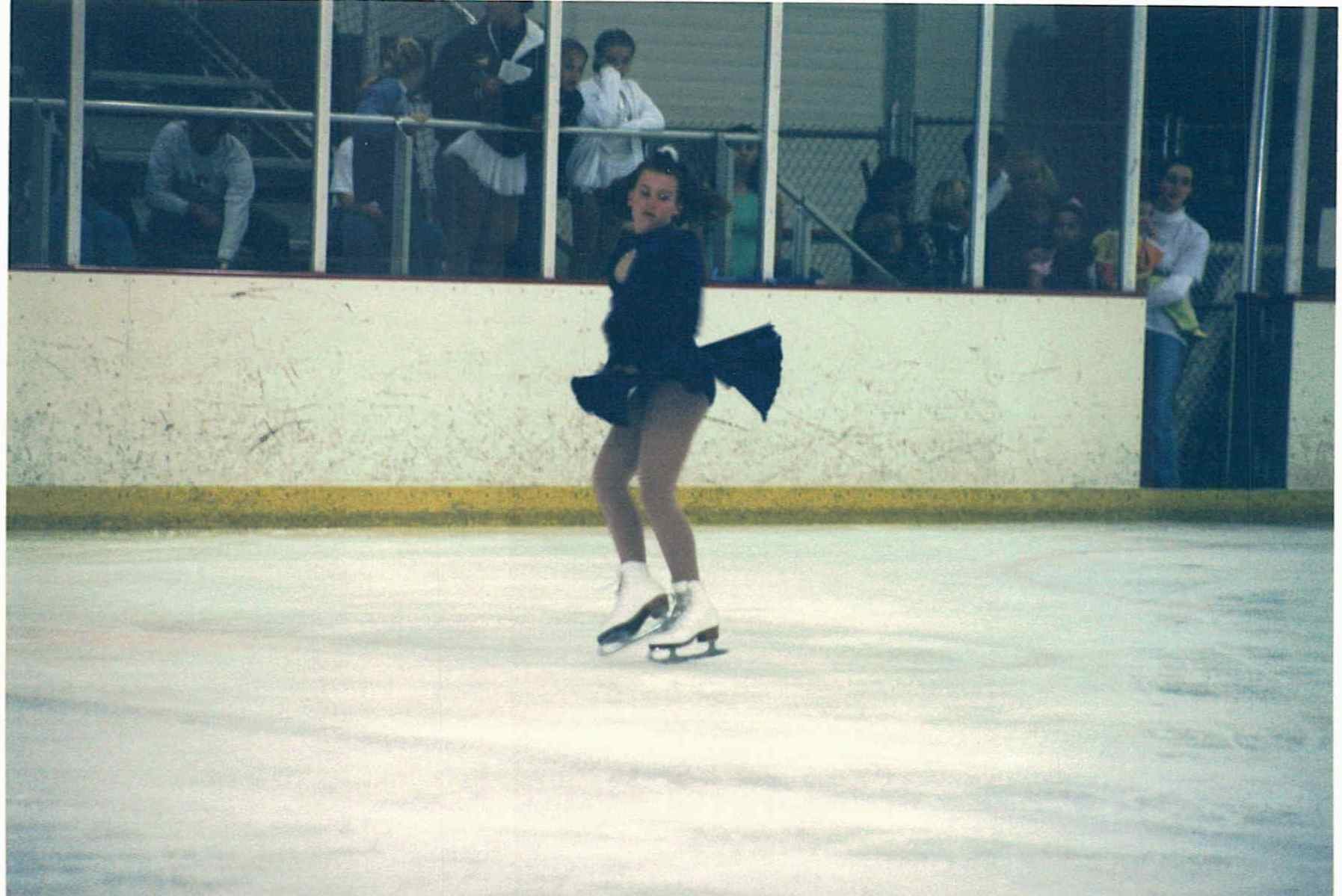
Early in my daughter's life, we told her she could try any activity she wanted and that we'd support her. However, the only rule we had was that it needed to have a competitive component. It couldn't be a participation trophy but a serious either win or lose activity. So, what did she choose? Competitive ice skating. For 6 years, she learned her craft. She practiced, fell, spun, fell, and fell and fell and fell more times than I could count. As she competed, she also learned patience while waiting for the scores. Determination, after a fall in the middle of her performance and commitment to complete her then long 3 minutes.
So, how can we, as grandparents, help our grandkids navigate these experiences?
Encourage a Positive Attitude
I believe that it is never too early to start. Instilling in your grandkids the idea that winning isn't everything. It's giving our best effort that counts. Remind them that every competitor is worthy of respect, win or lose. Share stories from your own life where you faced challenges, perhaps even times you didn't come out on top but learned something valuable.
For instance, I often tell my grandkids about my perpetual competition with my oldest sister. She was an academic savant, science specifically. I wasn't even in her league of creative science experiments. I have counted at least 5 first prize ribbons that I never won. Yet, year after year, I continued to compete and lose. Losing didn't feel good, but I learned some practical critical thinking skills and pushed myself to think differently, which I may have never allowed myself to do if the win had been easy.
Be Their Biggest Cheerleader
We all have first-hand knowledge of losing. So, remember those moments and be there to support and encourage your grandkids, no matter the outcome. Attend their games, cheer them on, and celebrate their efforts. When they win, celebrate their success wholeheartedly. When they lose, comfort them and help them see the positives. Emphasize that losing is just a step towards improvement.
Teach Resilience
Resilience is one of the greatest gifts we can give our grandkids. Help them understand that setbacks are temporary and that they can bounce back stronger. Just like my earlier story that teaches resilience, there are other places where lessons speak volumes. One that comes to mind is a 2006 movie called "A Good Year." There is a scene where a young boy, Max, and his uncle are playing tennis. The scene is a flashback to Max's childhood, showing a young Max spending time with his Uncle Henry at the vineyard in Provence. They are playing a game of tennis on a small court surrounded by the picturesque landscape of the vineyard. Uncle Henry, a wise and experienced man, is trying to teach Max valuable life lessons through the game.
As they play, it's clear that young Max is highly competitive and eager to win. However, Uncle Henry deliberately plays in a way that teaches Max about humility and the importance of handling both victory and defeat gracefully. When Max eventually loses the game, he is visibly upset and frustrated. Uncle Henry uses this moment to impart wisdom, explaining that losing is a part of life and that one should learn to accept it with dignity. He encourages Max to see the bigger picture and understand there is more to life than winning.This is one of my favorite scenes that teach important life lessons.
I see similarities between us and Uncle Henry as he teaches mentorship, the importance of life's lessons, and the enduring impact and influence we can have on our grandkid's life.
Model Good Sportsmanship
Kids learn a lot by watching us. Show them how to handle both victory and defeat with dignity. When playing games with them, demonstrate how to be a gracious winner and a good loser. Say things like, "Good game!" whether you win or lose. This sets a powerful example for them to follow.
Create Opportunities for Practice
Practice makes permanent. Give your grandkids plenty of opportunities to compete in a friendly environment. This could be through family game nights, where you can introduce new games that require strategy and competition. Or you could organize neighborhood sports events where they can learn about teamwork and sportsmanship. Even challenges like who can build the tallest Lego tower can be great practice, as it teaches them about goal setting and perseverance. These low-stakes competitions are perfect for teaching them how to handle both winning and losing gracefully.
Discuss Their Feelings

When your grandkids experience a loss, it's essential to let them express their feelings. Sit down with them and listen. Acknowledge their disappointment and reassure them that feeling that way is okay. Then, gently guide the conversation towards what they can learn from the experience and how to improve next time. For example, you could ask them how they felt during the game, what they think they did well, and what they think they could improve on. This helps them reflect on their performance and learn from their experiences.
Provide Unconditional Love and Support
Finally, let your grandkids know that your love and support are unconditional. Whether they win or lose, they are always valued and cherished. This assurance builds their self-esteem and helps them take risks, knowing they have a robust support system behind them.
Closing Thoughts
Helping our grandkids compete and handle loss gracefully is one of the most valuable lessons we can teach them. By encouraging a positive attitude, being their biggest cheerleader, teaching resilience, modeling good sportsmanship, and providing unconditional love and support, we can guide them through the ups and downs of competition. These strategies have been proven effective time and time again, and with our love and support, we can help our grandkids grow into resilient and confident individuals.