Kids Who Care: The Surprising Benefits of Volunteering Early in Life

Ah, childhood! It was a time of scraped knees, incessant questions, and a bewildering array of hobbies that included collecting rocks, stamps, and, if you were like me, volunteering. I am not sure if I decided to participate on my own. It could be that my older sister wanted to do it, and I followed suit, or my mom orchestrated the event so we could learn to give back. Regardless, before I realized it, I was whisked away with my sister for the ½ hour drive 2 days a week to volunteer at St. Therese Hospital as a Candy Striper.
You may not have heard of a candy stripper, no, not a confectionery-themed exotic dancer, but a hospital volunteer whose job was to deliver magazines, water, and, most importantly, smiles to patients.
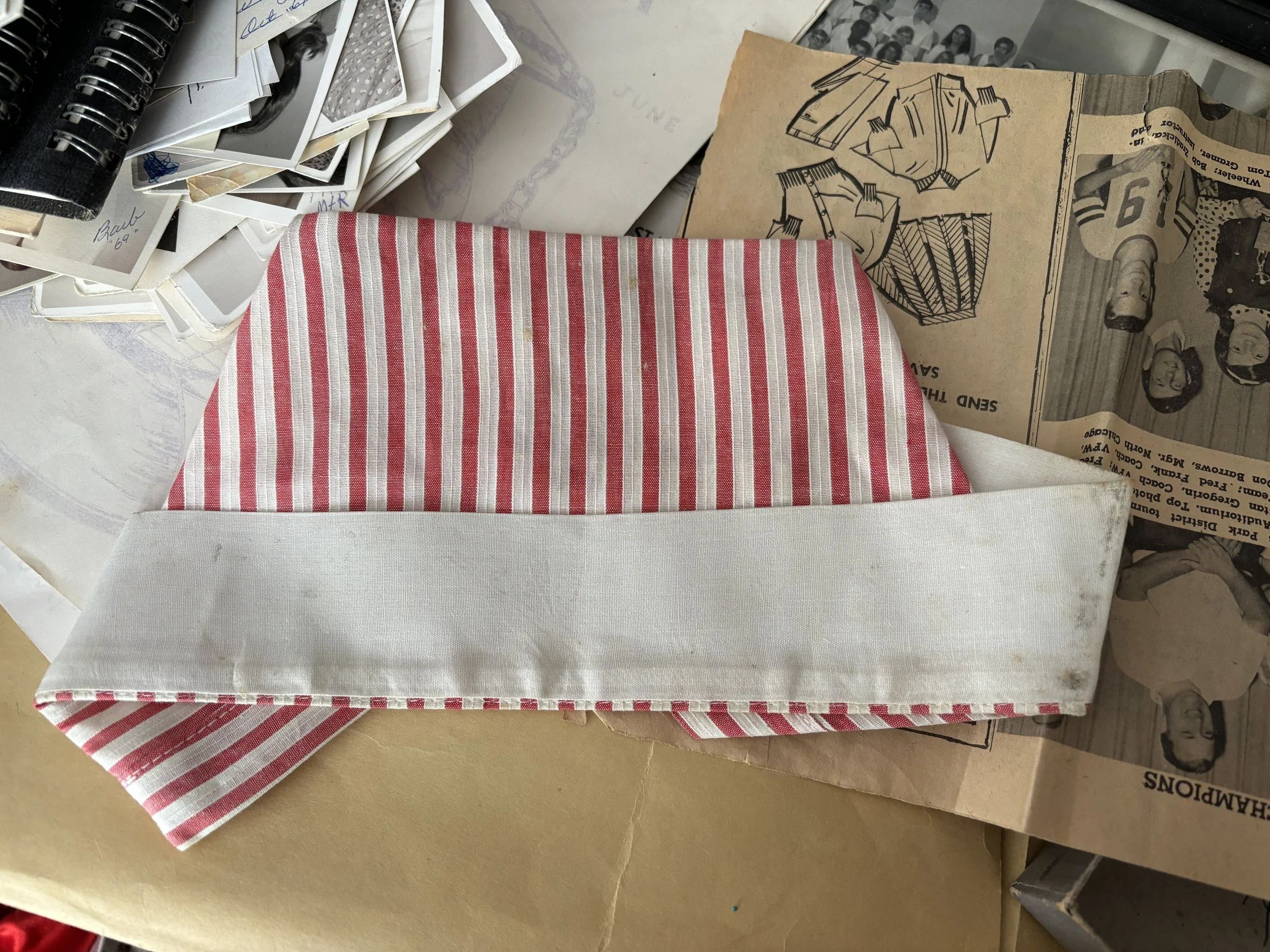
The backstory of this adventure started in a high school in New Jersey around 1944. The high school girls created the uniforms with materials that the teachers provided. They were red-white clothes that eventually became iconic striped pinafores and nurses-like hats, representing a "Candy Striper."
Candy Stripers significant role was observed during World War II, as they volunteered in military hospitals to care for injured soldiers. Their primary function was to be compassionate, smiling faces, basically the social service side of the medical field. Candy Stripers initially participated in the Junior Hostesses program, which was designed to help girls become familiar with the social service side of the medical field.
In the early 1970s, I was donned in a red-and-white striped pinafore and matching hat. I could be found enthusiastically innocent going from room to room to interact with patients, initiating activities, helping with feeding, and sitting with patients, as necessary.
Now, this experience was priceless and an experience I will always treasure. However, as we move into the real world, sometimes the real world jumps out at us. Volunteering as a child put me in the fast lane on the empathy highway. It's one thing to be told to think about others' feelings and quite another to see firsthand that Mrs. Kowalski in room 204 loved mystery novels or that Mr. Pasiwicz preferred his water at room temperature, no ice.
There were a few lighthearted moments, too. I learned that the smallest gestures often earn the widest smiles. I remember carefully choosing magazines for a grumpy old man who never seemed to smile, only to find out he was a former magazine editor who missed his work. When I brought him the latest issue of his favorite publication, his smile lit up the room. This moment taught me that understanding and kindness can unlock the joy hidden behind even the cloudiest moods. These experiences taught me that even though adults have their own stories and preferences, you don't grow out of them.
I would like to believe that I honed my communication, teamwork, and problem-solving skills—you name it, this was a priceless lesson. These weren't just buzzwords for my future resume; they were essentials for navigating my adulthood. I do know that colleges and future employers love seeing volunteer work on applications. It shows initiative, compassion, and the ability to commit to something bigger than yourself. Not to mention, it can be a tiebreaker if you and another applicant are neck and neck.
The Candy Striper program has evolved over time, as has the medical sector. With the advancement of medical practices, which now predominantly use technologies and artificial intelligence, the need and participation method of volunteers have also advanced. Now, volunteers participating in the medical field must be either professionals or students; the Candy Striper experience is a thing of the past, but volunteering opportunities are still plentiful. How are you teaching your grandchildren to give back?
Remember, volunteering can be found everywhere, all you have to do is to look around you. Do you like to run? What about volunteering during a 5k race? What about a school fair? Or even a local food bank. Living in the Philadelphia area, I found an amazing organization called Philabundance, a foodbank created to fight hunger and build stronger communities. This foodbank takes volunteers for corporations, schools, and just people taking that first step by calling to see how they can help. As a kid, it isn’t just about giving time but growing, learning, and laughing. From delivering a magazine to sharing stories with my sister, every moment spent as a Candy Striper taught me valuable lessons in humanity, humility, and humor.
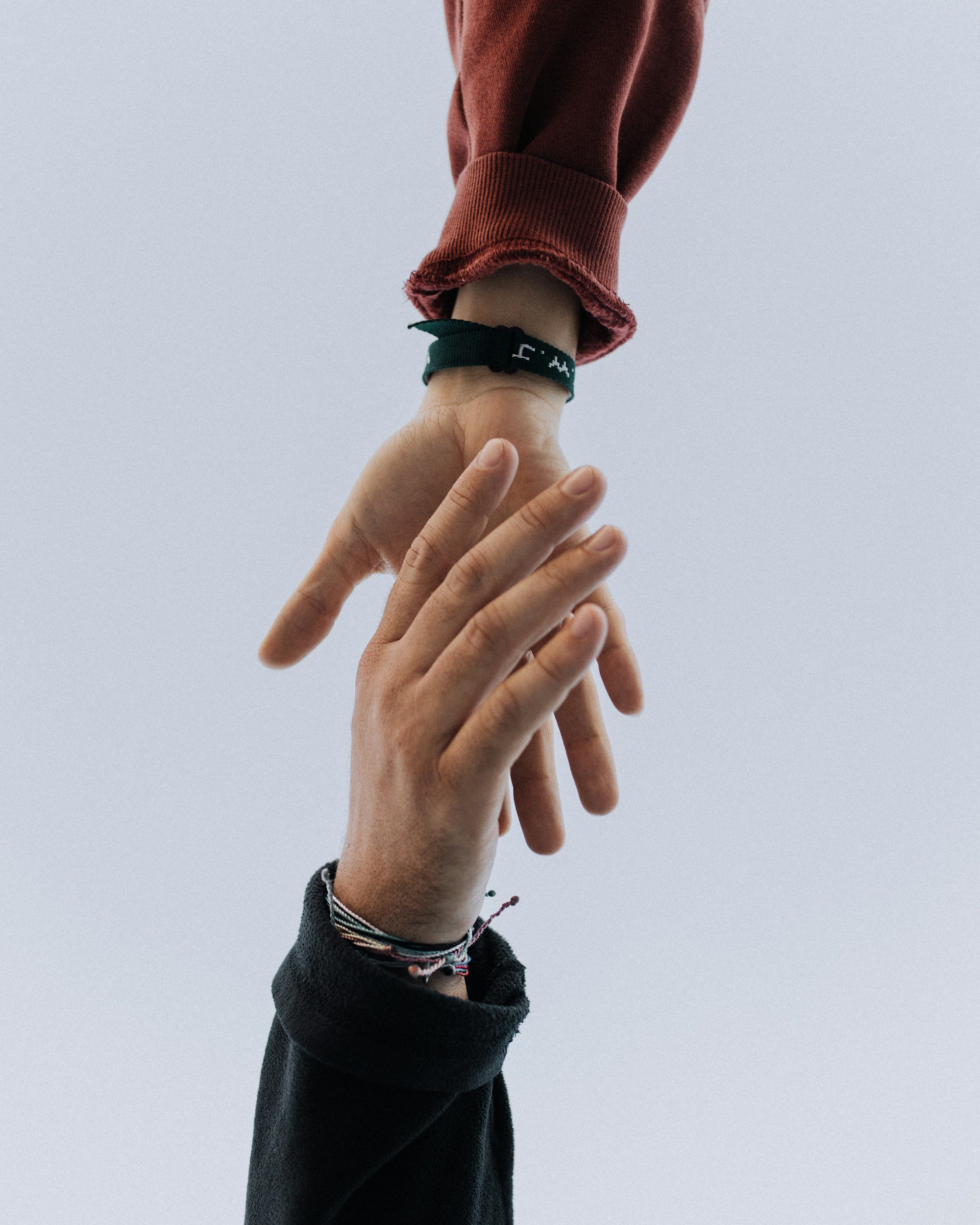
You are never too old or too young to lend a helping hand. There are seasonal opportunities from community gardens or even senior centers. The world of volunteering is endless.
We'd love to hear from you! Did you volunteer as a kid? What heartwarming or enlightening experiences did you have? Drop a comment below, and let's chat about the joys of giving back, one striped adventure at a time!