Farm to Fork: Unleashing Adventure one Husk at a Time
For years, when we were young, my sisters, I, and a bunch of cousins would go on the greatest of adventures.
Where to? A family farm.
When? Harvest time.
Join me as we embark on an exciting foodie adventure.
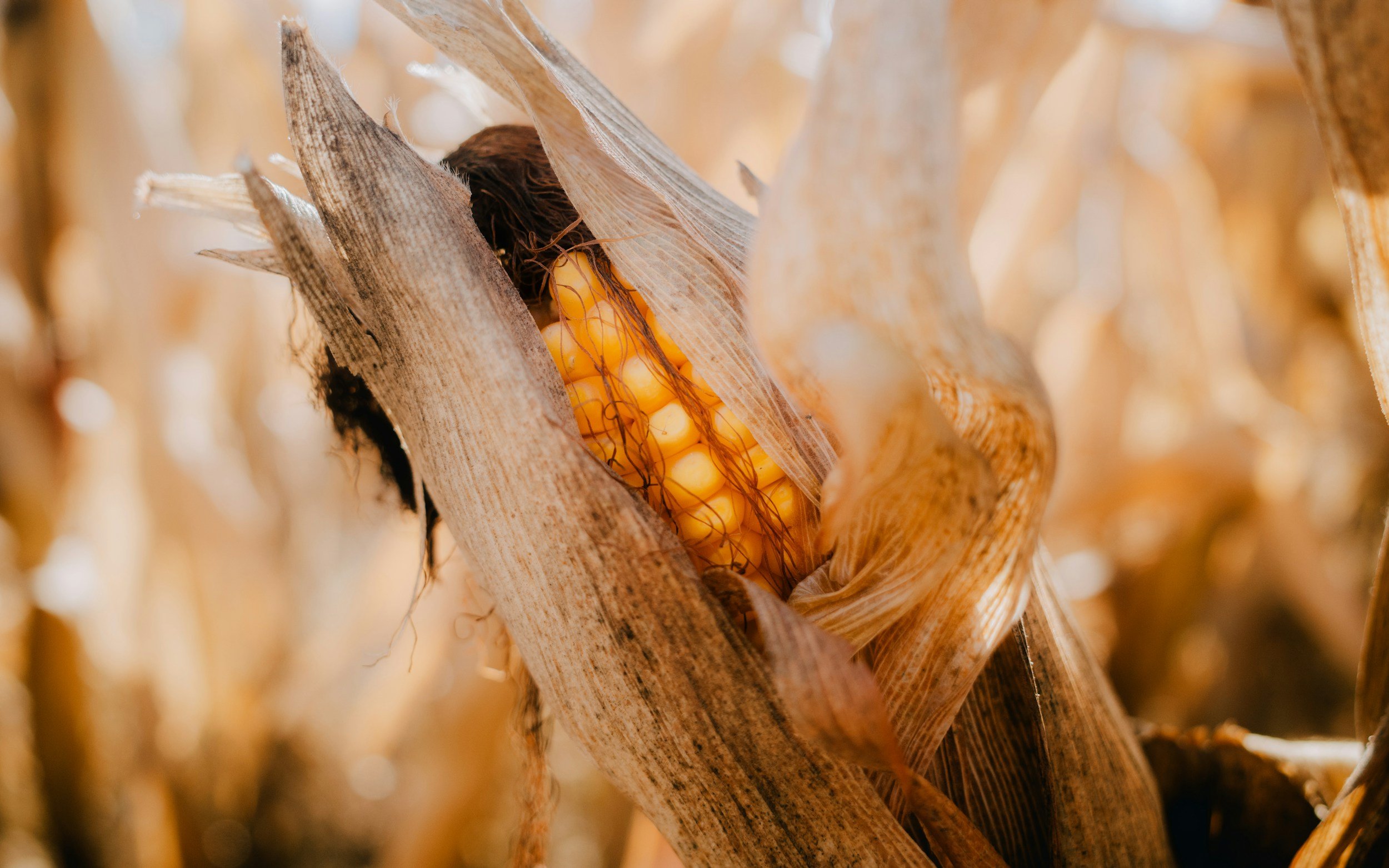
As subsistence farmers, our aunt and uncle needed us to help hand-pick the animal corn. Acres and acres of animal corn. Did I mention many acres of animal corn? Sisters and cousins were quickly taught how to pick the corn, shuck it, and toss it into a pile. We worked row-by-row, picking and shucking. None of us were from farm backgrounds. We lived in town. As children, this was a fun and new adventure. We worked hard most of the morning and happily broke for lunch, a simple fare, sandwiches, pickles, tomato slices and a watermelon for dessert. Packets of chips didn't exist. Bottled water didn't exist. If we were thirsty, we would drink water from the well. Unfortunately, this area of Illinois had well water that contained a lot of sulfur, so it smelled—really smelled! We wrinkled our noses but still drank it, even covered over by a Kool-Aid packet and sugar.
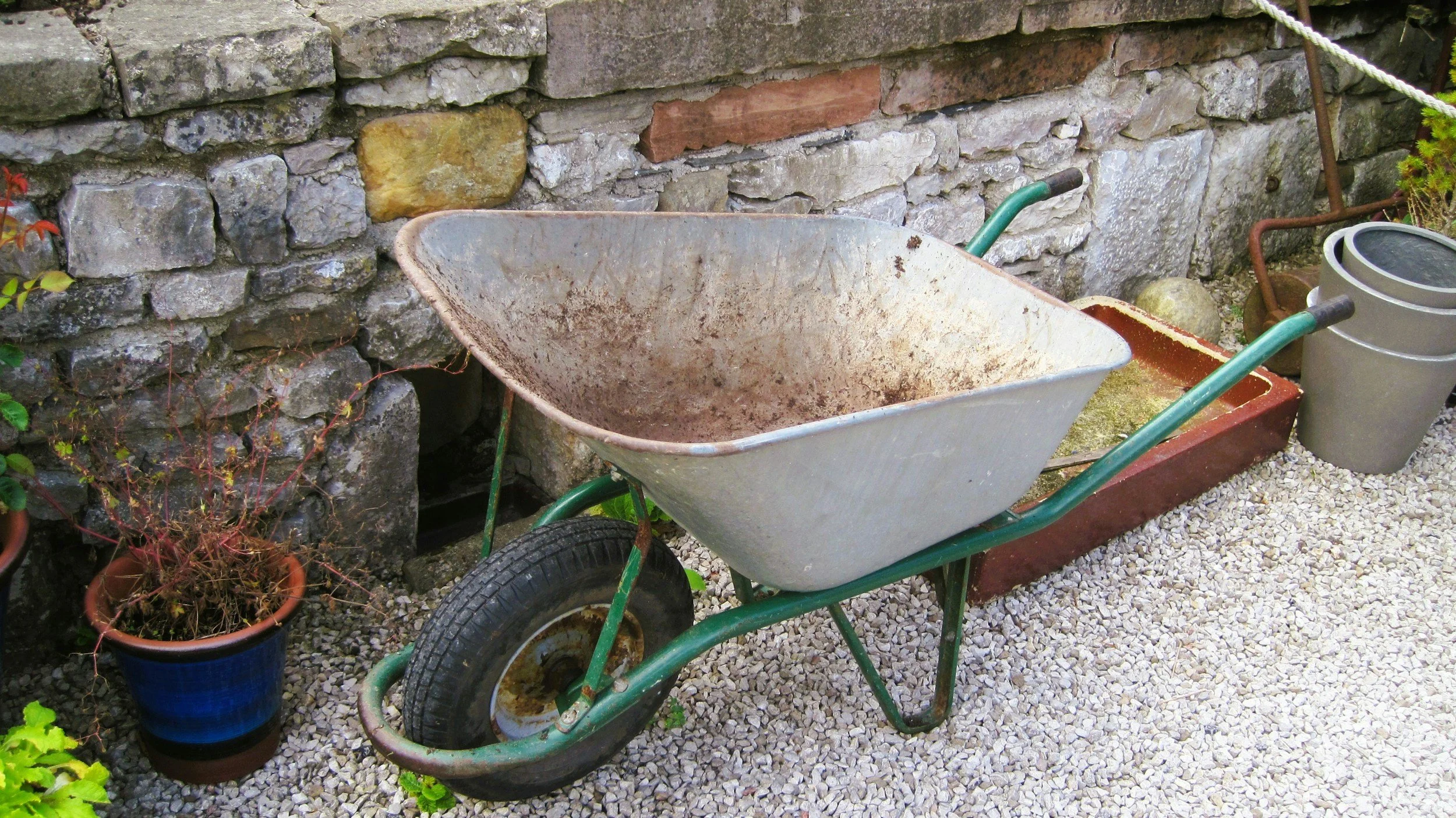
When we finally finished our morning's work, we would ride on the tractor-driven cart to pick up the shucked corn. Our next job was to throw the corn from the ground into the cart's bed. When we finished, we had free time before supper. We happily explored the farm. The pig pen was particularly fun because the mud-drenched pigs oinked and squealed as we climbed the fence to get a closer look. We would grab their tails to see how long we could hang on before we had to let it go. The pigs appeared to expect our behavior and were good with this "city folk" entertainment. We we cautioned not to jump into the pig pen directly because the animals did bite and could be dangerous. Our uncle asked if we wanted to learn how to drive the tractor. Wide-eyed, we all said yes. Luckily or not for me, I was chosen to be the first one. Sigh. My first experience with manual transmission was at the ripe age of 12. I didn't do as well as I thought and almost ran into a post with the tractor. After this experience, driving a manual transmission car was a piece of cake.
I share this because these are valuable childhood memories. Children fondly remember these unique adventures. Years from now, they will not remember playing computer games on their cell phones or watching TikTok videos but they will remember the unique experience of harvesting food, large quantities of food. More than just picking enough for mom to cook it for dinner but to have enough to last until next year’s harvest.
How can we make a memory for our grandchildren? Since most grandparents don't live on family farms, an alternative solution exists. There are many 'pick-your-own' places to take your grandchildren. Participating in this experience can teach the little ones the value of physical labor and, more importantly, persistence. This latter is missing in today's generation. Prior generations of children learned to pick vegetables, pull weeds, and pick cotton for many hours and pretty much mostly for weeks or months. It was an expectation as part of a family. If you have had such experiences, it is time to share them with your grandchildren. How did you feel as a child spending the days in hot sun picking fruit or vegetables? What did that teach you? Transmit these life experiences to your grandchildren. Trust me they will remember your words.
You don't have to make a day of this outdoor experience. If you go to a pick-your-own farm, set a time limit, say 30 minutes, and tell your grandchild/children to pick what they can. No cell phone, no earbud music. Be persistent. Make sure they work for the entire time. It will be a learning moment for both of you. You now have a gauge of your grandchild's attention span. The key is to teach them to extend the span of their concentration on an activity to 30 minutes, not the standard Tiktok video of 3 minutes. Once they have worked for 30 minutes, they will be surprised by how many vegetables or fruit they picked. You have now expanded their focused concentration from 3 minutes to 30 minutes. A victory.
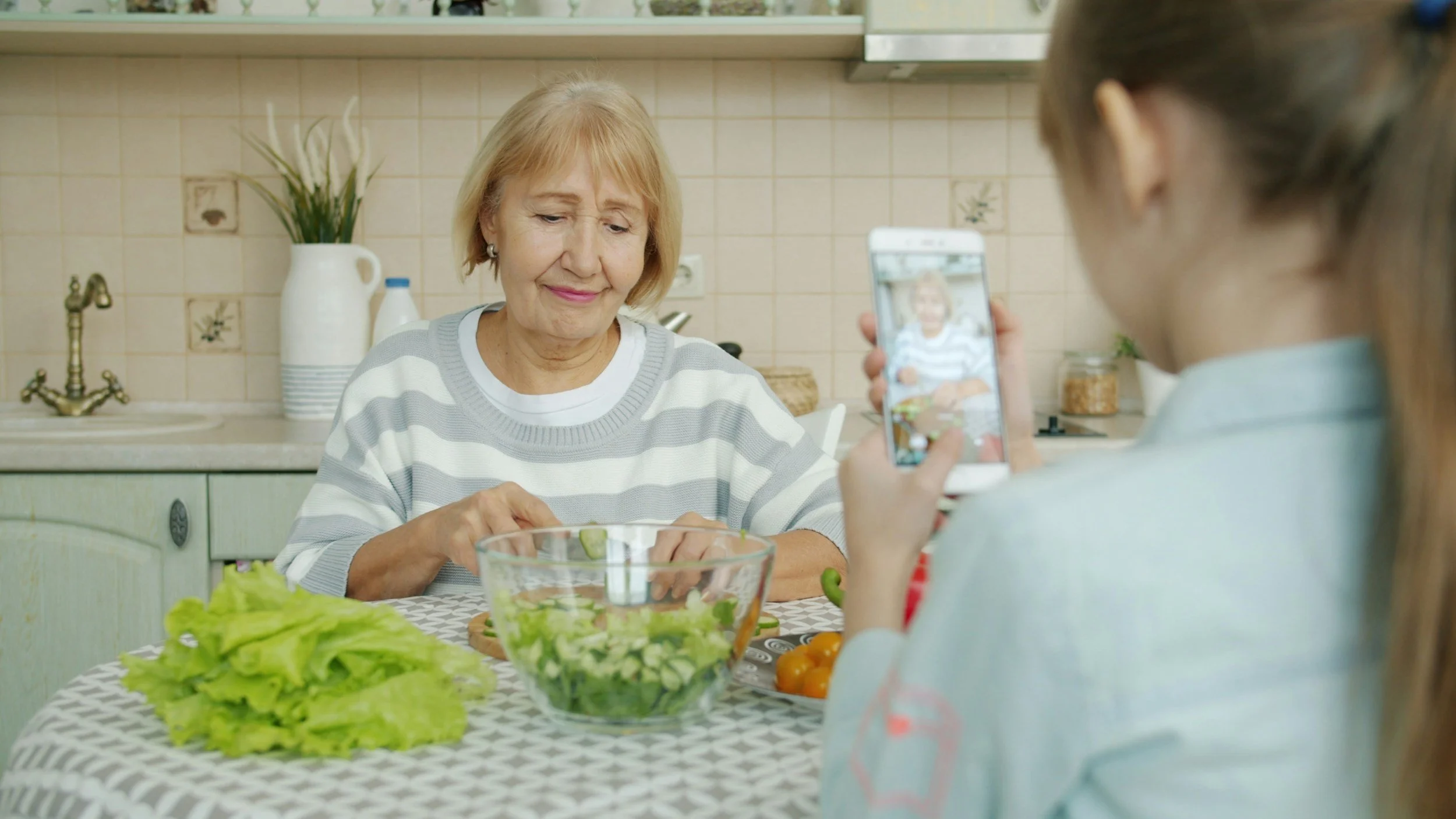
So let's take this to the next level. Once you have the fruit or vegetables that your grandkid(s) have collected and brought back to your kitchen, you can teach them more patience in shucking corn, shelling peas, and cutting off the tops of strawberries. This next step demonstrates the natural process of how food is made. They will experience farm-to-fork. Making the food they like to eat might help them look at the food they typically eat differently. If you have your grandchild(s) sitting on the porch with a bucket of veggies or fruit to prepare them for preserving or canning or freezing, you can use that time as storytime. Their hands are busy, so they are not on their cell phones. They have your undivided attention. Tell them stories. Engage them with fairy tales or stories of your youth. Or you can put down your bucket and pick up a storybook and read them a story about children helping parents on a farm or a bible story—your choice.
If canning or freezing or otherwise preserving what your grandchildren have prepared is not your thing, contact your friends. Many may appreciate being provided with an abundance of shucked or pealed food that they can preserve helping their budget moving forward. And maybe, invite them to the shucking party to provide their stories of their past in doing these activities while your grandkids work. Win-win-win.
Teaching the value of hard work is vital for children. This is a life lesson and NOT child labor; it teaches our children to use their hands to accomplish much in their life, see the value of their work, and feel self-satisfied and that there is personal accomplishment woven into work done well.
Let's help them savor the taste of hard work in every bite! Adventure awaits, take the grandkids along for the ride!