School Lunches: What It Says About You, Your Family, and Where You Live
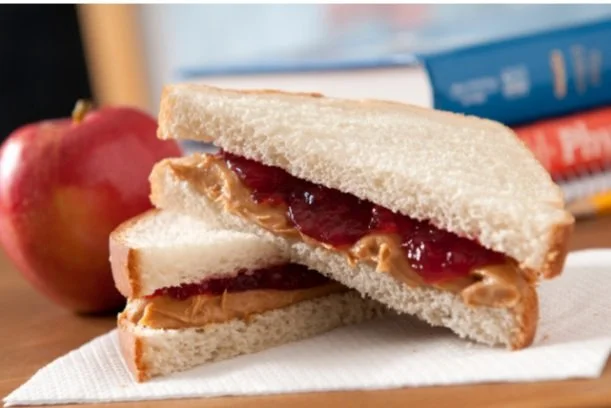
What assessments have you taken to determine your personality, communication style, or strengths? Was it Meyer Briggs, Gallup’s Strength Finders, or DISC? Did you know that what you had for lunch as a kid could also tell you lots about yourself? Peanut Butter and Jelly or Bologna with Mayonnaise were common options for a Baby Boomer. Take peanut butter, for example. Did you like crunchy or smooth? Did you know that people that prefer crunchy peanut butter consider themselves optimists?
Jelly could consist of a staple like grape, strawberry or elaborate like raspberry preserves. Grape jelly, according to Google, says you're traditional and reliable. You prefer to stick with what you know works and don't like taking unnecessary risks. Strawberry jelly implies you are friendly and outgoing. You enjoy being around people and are often the life of the party. If you prefer raspberry, you are considered sophisticated and refined. You have a taste for the finer things in life and enjoy indulging in them.
And what about the bread? Did you have white bread like Wonder bread or whole wheat? White represents comfort and familiarity. Wonder Bread is specifically associated with families that are cost-conscious. However, whole wheat, which wasn’t popular until the 1970s, represents health consciousness and a desire for a balanced diet. It's often preferred by families who prioritize eating natural ingredients.
But another option, Bologna, is an interesting lunch alternative. Bologna is considered the budget lunch. It is relatively inexpensive to purchase and extremely convenient for busy parents. Those families choosing this option are not necessarily health conscious but rather convenience aware. If kids choose this lunch staple, it is more about comfort food than the preference for taste and texture. For many families, it symbolized assimilation or integration for those in the Italian American community. And as I can confirm, it was also integration for the Polish-American community.
What condiment to choose for the bologna sandwich? Mayonnaise, yes, but which brand? The big-name rivals are Hellmann’s vs. Miracle Whip. I grew up with Miracle Whip. Preferences seem to be regional, but those more health-conscious prefer Hellmanns. But if you choose bologna, I suspect most sandwiches had Miracle Whip for these cost-sensitive, non-health-sensitive families.
Although nostalgia reflects these two staple choices for lunch in the 1960s and 1970s, fast forward to the 1990s, this period introduced Lunchables. As a mother of three, this was a game changer. Who has time to get all of the ingredients in a lunch bag: bread, peanut butter, jelly, chips, and juice? And then prepare lunch in the morning while getting the kids ready for school. A pre-prepared solution was the genius of Oscar Meyer. I joke that the boom of Charcuterie boards was due to this age group being exposed to Lunchables growing up. So from the point of parental convenience to sophistication, it says you have developed a more adventurous palate.
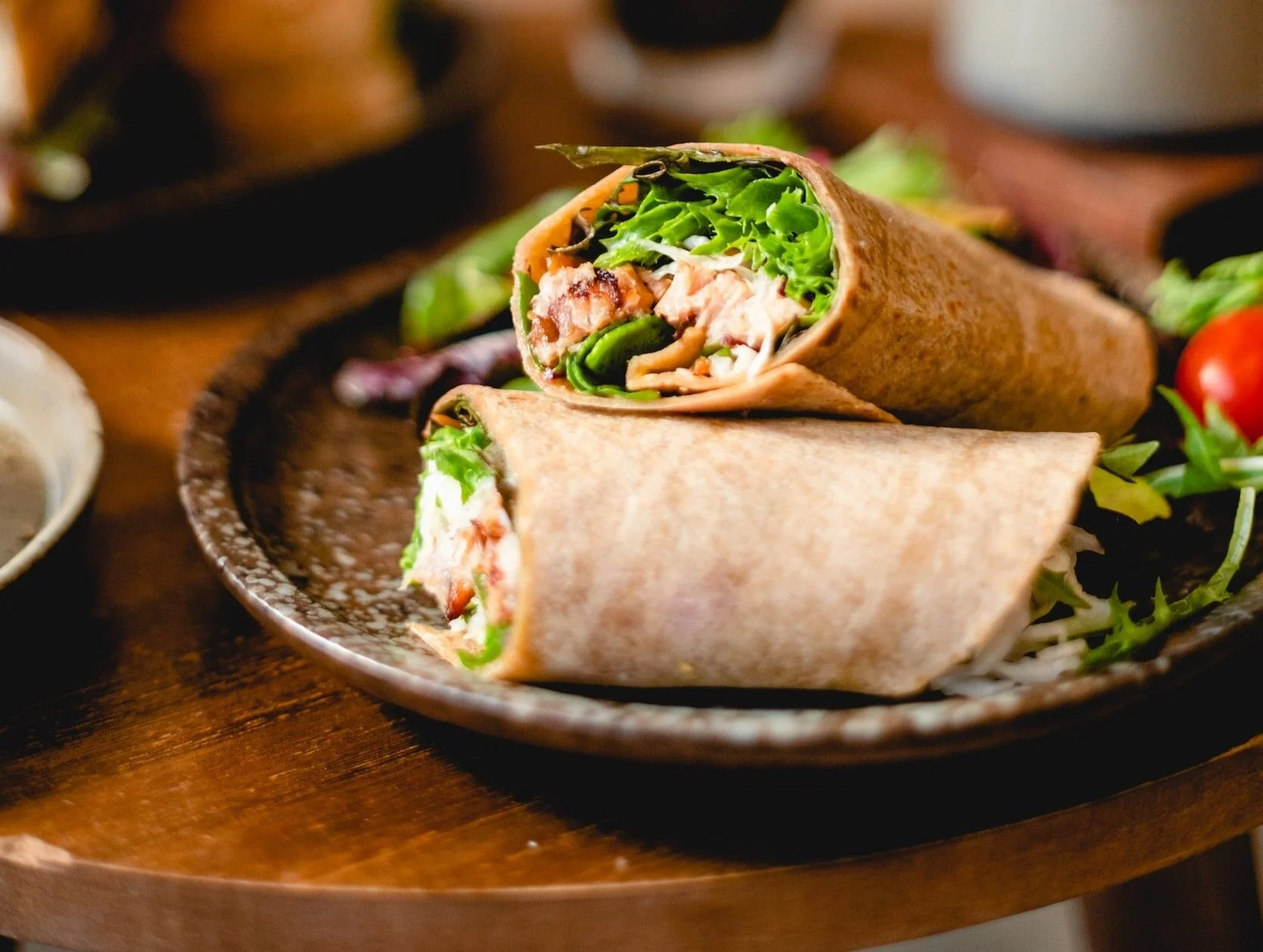
In the 2020s, sandwiches are still the primary entrée, but wraps have become popular instead of sandwich bread. With more awareness of gluten, this alternative has skyrocketed as the center of lunch. Included are tomatoes, lettuce, cucumber, and hummus without the soggy mess of using white bread. Sides of fruit or vegetables and yogurt or cheese are common. And the drink? Water ranks the highest in preferences for parents to include. And if a parent included a special treat, it would be trail mix. Is this trend making the next generation more health-conscious or more cautious? The verdict is still out.
What you had for lunch is also a reflection of what state you live in. California, New York, Connecticut, and Minnesota are noted for the healthiest school lunches due to their policies on health and wellness. However, Mississippi, Alabama, and Louisiana due to the availability of unhealthy alternatives at the schools themselves. I understand parents’ frustration with these competitive options since our school had sodas available for my kids as an alternative to the juice I provided. But is taking away this option taking away the freedom of choice?
Lunch selections can reflect taste preferences, cultural background, where you grew up, and when. What you bring to school reflects your family’s health-consciousness awareness vs. price sensitivity. It can even reflect the parent’s or child’s willingness to try various foods. In my case, I loved SpaghettiOs growing up, for lunch and dinner. And if I reflect on my actual assessment tests, it would also reflect the same fact that I don’t like change.
Think about what foods you had for lunch growing up. What does it say about you? What foods do you consider comfort foods today? Do they bring back memories from your youth? My comfort food is a gluten-free butterless grilled cheese sandwich with organic tomato soup. The details are different, but the memories are the same. One of my Strengthfinder strengths, Discipline. That matches my lunch choice. What about you? Do your childhood lunch choices mirror your assessments?