Why Comparing Children’s Learning Abilities is Detrimental: ‘I Am Not My Sister’
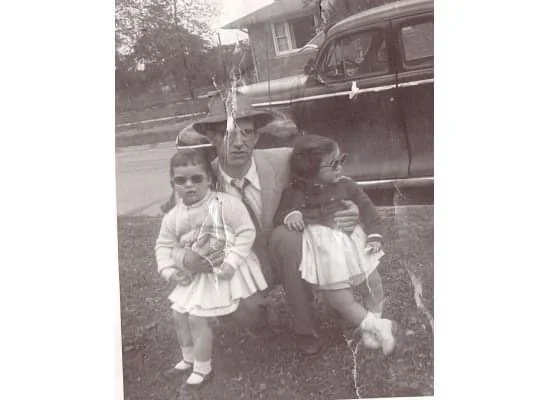
My older sister, Dad and me
Introduction
You’ve likely heard me mention this before, but I must share it again. My oldest sister is remarkably resourceful, curious, adventurous, analytical, and intelligent. These traits spring to mind immediately; if I took the time to think about them a little more, I could undoubtedly list even more glowing attributes.
During our childhood, she had a natural aptitude for learning to read and write, mastering letters and words with ease. Since adults in my life showed that they highly valued this ability as a marker of future success, I made her a role model that I continually strived to imitate.
Because of this emphasis, even if my parents didn't compare us, I did… constantly. I now know that creating a competitive atmosphere, even if unintentional, can harm a kid's development. Over time, I have learned that each of us is unique and develops at our own pace and that the journey of learning is not a race. Understanding and respecting these differences is crucial for fostering a healthy, encouraging learning environment. Of course, that's easy for me to say now.
Understanding Developmental Milestones Individual Pacing
Now that I am a grandmother, it has become clear that every child follows their own developmental timeline. What I have learned is that one might grasp reading skills early, another takes longer, and this variance is perfectly normal. Pressuring them to meet specific benchmarks prematurely can lead to frustration and a lack of interest in learning. The last thing I want to do!
Cognitive Development
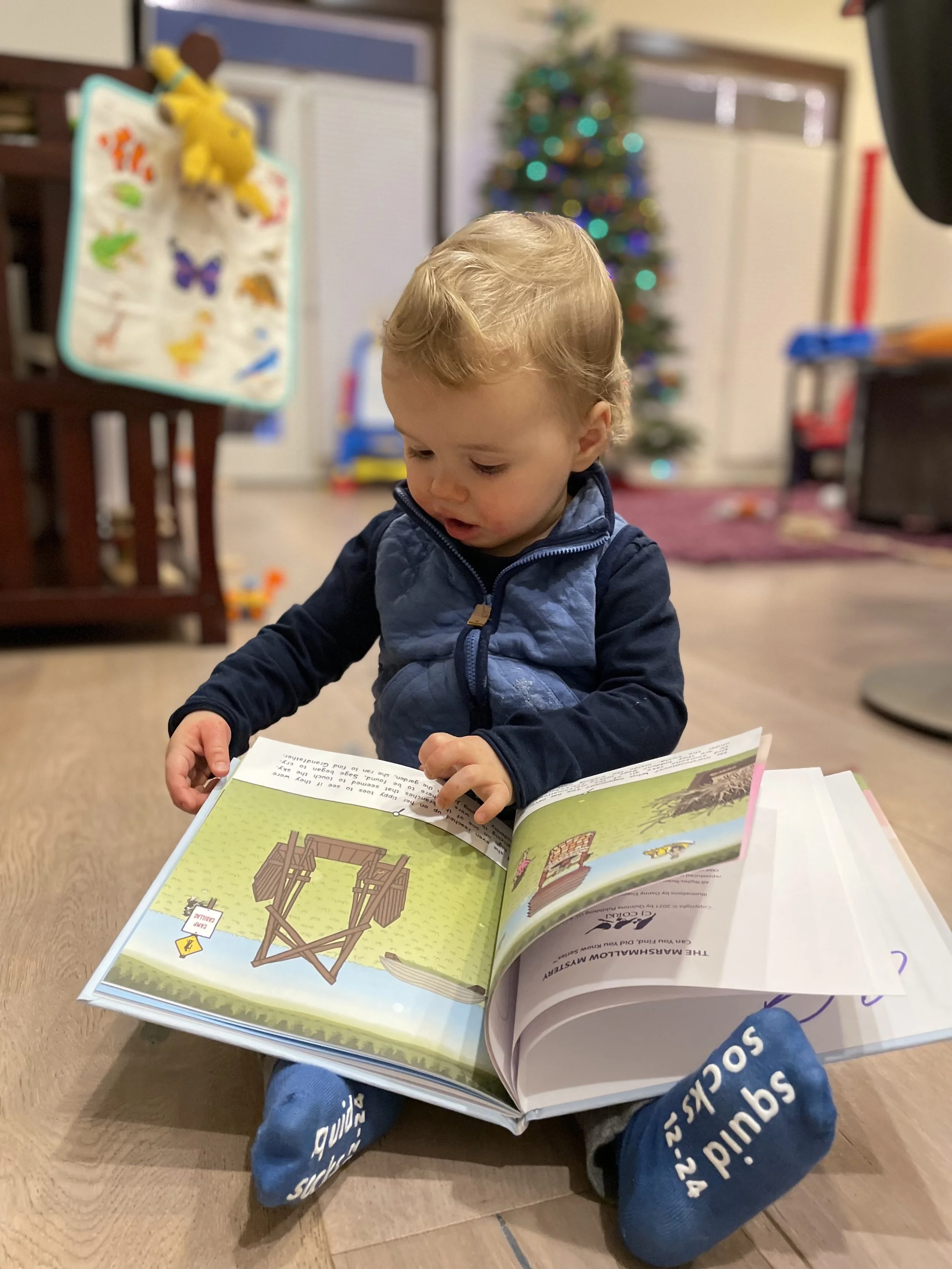
Watching my grandson over the last four years, it is clear that his learning skills are developing at his own pace. He has excellent genes and, of course, a learning-focused environment, and every family member has exposed him to different games and activities to help him embrace and ramp up his reading. As I experienced in my early years, siblings can progress at different rates even in the same household. Comparing one child's progress to another doesn't consider these factors and can lead to unfair expectations.
The Negative Impact of Comparisons Self-Esteem Issues
Back to my experiences, as I stated earlier, my parents didn't compare us, but the educators my sisters and I were exposed to actually did. There is probably another blog in the making as I reflect on year after year, for 18 years of the education system being compared to my older and more accomplished sister…but I digress. I will tell you that when children are compared, those who are slower to pick up reading skills may develop feelings of inadequacy. This can severely affect their self-esteem, leading to a negative self-image that can impact their overall academic journey. A more relaxed, supportive environment would have been far more conducive to my learning.
Hindrance to Natural Curiosity
All kids are naturally curious and eager to explore new concepts. Comparisons can stifle this curiosity by making learning feel like a chore or a competition rather than an enjoyable process. As important as it is to let our grandkids learn at their own pace, setting them up for success is one of our roles.
Embracing Individual Learning Styles
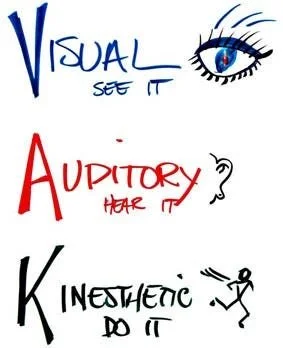
Spoiler alert! We all learn differently. In my business world, I often talk about VAK. There are three well-known learning styles: visual, auditory, and kinesthetic, or VAK. If this is important to consider in the workplace, paying attention to our grandkids' learning styles is equally important, too.
Let's look at these styles and see where your grandkids fit.
Visual Learners
Some children learn best through visual aids. Incorporating pictures, diagrams, and color-coded materials can enhance their understanding and retention of information.
Auditory Learners
Others may be more attuned to auditory learning. Using songs, rhymes, and read-aloud sessions can significantly benefit these children.
Kinesthetic Learners
Kinesthetic learners thrive through hands-on activities. Engaging them in interactive, physical tasks can help reinforce learning concepts.
Even though 65% of the population are visual learners, we must also pay attention to kinesthetic learners (5%), which is where my grandkid and I fall.
I bring this up because statistically, if our educator’s and caregivers' style is "talking at," or auditory (30%), or even visual (65%), there are still learners who need to be noticed that their learning style is different. Parents and educators should educate themselves and others about the diversity in learning styles and developmental timelines. Awareness can lead to more supportive practices and reduce the urge to compare. But there is more to consider…
A Growth Mindset
The growth mindset is not an entirely new theory but an important one to understand. It addresses the importance of effort, learning from failure, and the potential for personal development. It complements visual, auditory, and kinesthetic learning styles by encouraging individuals to embrace their preferred learning modes while remaining open to developing others. For visual learners, a growth mindset fosters the belief that their skills in using images, diagrams, and spatial understanding can be enhanced through practice and effort. Auditory learners benefit from a growth mindset by understanding that their ability to absorb information through listening can improve with active engagement and perseverance in auditory activities. Similarly, kinesthetic learners who thrive on hands-on experiences can use a growth mindset to push their boundaries, recognizing that their physical learning capabilities can grow through persistent effort and experimentation. By adopting a growth mindset, individuals can enhance their natural learning preferences while also cultivating flexibility and resilience, enabling them to adapt and excel in various learning environments.
How to“do it:”
Step 1: Providing tools to help every kid learn
Step 2 is praising efforts rather than outcomes and encourages kids to keep trying, regardless of how quickly they achieve success. Positive reinforcement helps build resilience and a growth mindset.
Step 3 is a significant one that shouldn't be put off. This step is active watching, listening, and, if necessary, talking with professionals to identify if there is a learning difference; besides these VAK learning styles, something else may be stopping our grandkids from progressing.
Personalized Learning Plans
Yes, we would like to see our educators tailor learning activities to each child's strengths and interests, but we can also make the learning process more enjoyable and effective. Recognizing and celebrating small achievements will foster a sense of accomplishment and motivation to keep learning.
Oh, and both parents and educators should avoid using comparative language. Instead of saying, "Look how quickly your sister was able to (fill in the blank)," try not to make any comparisons. Maybe rather say, "I'm proud of how hard you're working." This approach validates the child's efforts without placing them in a comparative context.
Long-Term Benefits of Embracing Individuality
Fostered Love for Learning
When children are allowed to learn at their own pace without pressure, they are more likely to develop a lifelong love for learning. This intrinsic motivation is far more beneficial than achieving early milestones for the sake of competition.
Stronger Social Skills
Children who are not compared to their peers are more likely to develop strong social skills. They learn to appreciate differences and work collaboratively, which are essential skills for future success.
Learning Differences are not Negative
As we have been discussing, we all learn differently. Identifying learning differences like dyslexia in young children before kindergarten can be crucial for their future academic success. Early signs might include difficulties with rhyming, learning the alphabet, recognizing letters, or problems with pronunciation and word retrieval. Observing these challenges early on allows parents and educators to seek evaluations and interventions that can provide the support needed. Early identification and assistance can make a significant difference in helping children develop the skills they need to thrive in school.
Conclusion
Comparing children based on their ability to learn letters, words, and reading is unfair and counterproductive. Each child is unique, and their learning journey should be respected and supported. By embracing individual developmental timelines and learning styles, parents and educators can create a nurturing environment that fosters confidence, curiosity, and a love for learning. Remember, the goal is not to race to the finish line but to enjoy the journey and celebrate every step along the way.