Old-School Fun: Classic Books Every Child Should Know
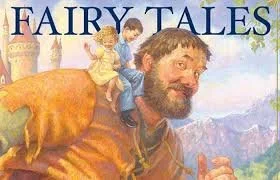
What? Read the old "stuff" to our grandkids? Are you crazy?
The other day, I innocently suggested that we read the classics to our grandkids, but we got some shocked looks and numerous pushbacks as if I said all grandparents have three heads. The theme of the concern was that we are in an age bursting with digital entertainment and the fears that the "classics" couldn't keep the engagement and interest of our young readers.
Let me give you an alternative perspective.
First, the classics. When was the last time you read something from the past? No, I am not suggesting that a 4-year-old needs to hear the tale of a menacing wolf that deceives and consumes both the grandmother and Little Red Riding Hood. This theme of danger and deception might be difficult or scary for this age to understand.
However, numerous age-appropriate classics offer timeless insights into human nature. They typically explore universal themes and foster empathy and critical thinking. Classic stories and songs are timeless and irreplaceable.
Remember, these classics have been passed down from generation to generation for a reason. These tales can help lay a strong foundation for literacy, imagination, and a love of learning. We as grandparents can play a significant role in sharing these old-school treasures with our grandkids, introducing them to a world where imagination reigns supreme, and each story becomes a cherished memory.
But reading isn't the only answer. Sharing a classic story can be a magical experience, but not only using words. Look at the story as your stage. Yep, use dramatic pauses, different voices, facial expressions, and gestures to bring the story to life. Trust me, this will keep them engaged and excited to hear what happens next.
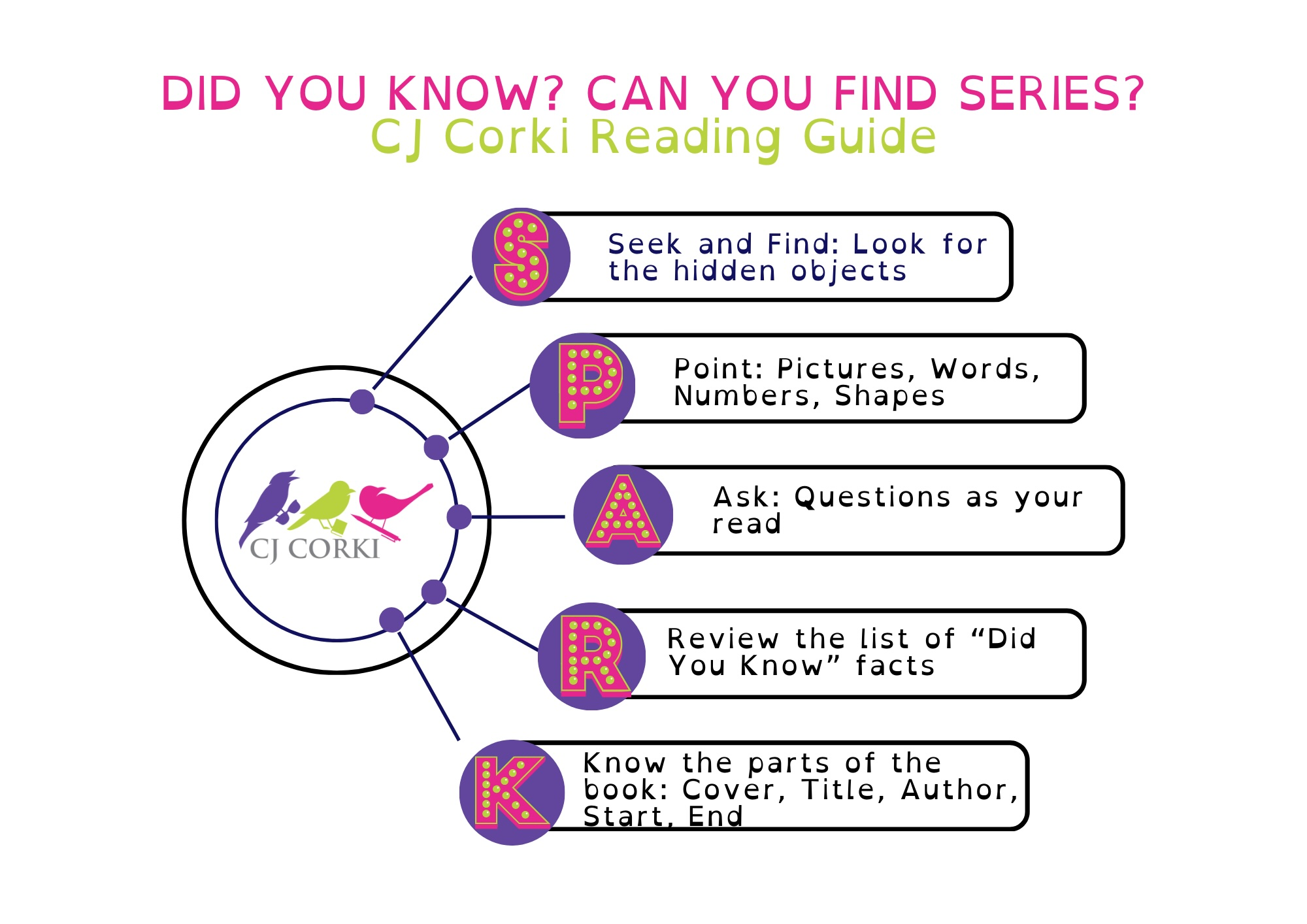
We believe you can S.P.A.R.K. their interest.
S – Is there a character lurking in the background? See if they can find them.
P – Point and Pause to see if they can identify shapes or characters or even words
A – Ask them to guess what they think will happen next. Invite them to ask questions and imagine different endings. This can turn the story into a creative conversation and make the experience more memorable.
R – Review things you know about the backstory, such as if there is a garden in the story. Ask/tell about the type of animals that might live in a garden.
K—The book is more than the story. Tell your grandkids when you are starting and ending the book. Look at the cover and the names of the people who created it.

Here are a few of my favorite classic stories to share with the little ones in our lives.
1. The Tale of Peter Rabbit by Beatrix Potter
Why It's a Classic: Written in 1902, The Tale of Peter Rabbit follows the mischievous Peter as he sneaks into Mr. McGregor's garden despite his mother's warnings. Full of curiosity and playfulness, Peter's journey reminds children of the joys and risks of curiosity.
Why Every Child Should Know It: Beatrix Potter's illustrations and charming language create a vivid world where young readers can immerse themselves. The book teaches children about boundaries, obedience, and the importance of listening while delighting them with Peter's daring adventures.
How to Share It: Make story time interactive by acting out Peter's escapades! Use props like a small toy rabbit or miniature vegetables to bring the story to life. After reading, try a "garden" activity, like planting seeds together, to connect with the natural world Potter dearly loved.
2. The Ugly Duckling by Hans Christian Andersen
Why It's a Classic: This book is a beloved classic because it conveys timeless themes of self-discovery, acceptance, and transformation. The story’s message of inner beauty and resilience in the face of rejection speaks to universal experiences, making it relatable to readers of all ages. It teaches that everyone has worth, even if they feel out of place or are treated differently. The story's simple, yet powerful narrative and enduring lesson have made it an essential part of children’s literature.
Why Every Child Should Know It: Every child can benefit from this book because it addresses feelings of not belonging or being different—emotions many children experience at some point. The story reassures children that it's okay to feel different and that their true value may not always be immediately recognized by others. It also encourages empathy, as kids see the world from the perspective of the misunderstood duckling and learn the importance of kindness and acceptance toward others.
How to Share It: After reading, discuss with your grandkid times when they may have felt out of place or left out, or even times that YOU felt out of place. Reinforce the message that just like the duckling, they have unique qualities that make them special, even if they don’t see it right away.
3. The Little Engine That Could by Walter Piper:
Why It's a Classic: A timeless story of perseverance, optimism, and resilience. Its central theme of "I think I can" embodies a positive, can-do attitude that resonates with readers of all ages. The story's simplicity and its memorable, rhythmic repetition make it accessible and appealing to young children, while its message is universally inspiring. Since its publication, it has become a cultural touchstone for teaching children about determination and the rewards of believing in oneself.
Why Every Child Should Know It: The story teaches children that challenges and obstacles can be overcome with effort, self-belief, and persistence. This positive mindset is essential for young kids just beginning to encounter situations requiring patience and confidence. The Little Engine That Could encourage them to tackle difficulties, even if they feel small or unsure. It is an empowering story that instills a growth mindset early on.
How to Share It: Read with energy, using a cheerful, determined voice for the little engine's mantra, "I think I can, I think I can." Encourage the child to repeat it with you and cheer the engine on, helping them feel part of the story. As you read, highlight the engine's belief in itself despite its size. After the story, ask the child if there are things they'd like to do but feel might be hard for them. Reinforce that trying their best, just like the little engine, is what matters most.
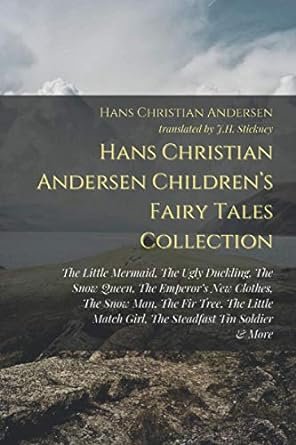
48 additional Classics by Hans Christian Andersen
Conclusion
These classic books are more than just fun—they're building blocks for language, memory, emotional intelligence, and creativity. Introducing children to these timeless stories helps them form a connection with literature, often sparking a lifelong love for learning.
Whether it's a cozy afternoon with The Tale of Peter Rabbit or a bedtime tale of The Ugly Duckling, these shared experiences create lasting memories. They connect generations and remind children of the love and warmth that surrounds them, showing that sometimes the best stories are the ones that have been around the longest.
So, consider sharing one of these classics next time you're with your little ones. You might just start a new favorite tradition, passing on these treasures that have delighted children for decades. After all, some things—like a great story—are truly timeless.