Baby's First Library: Where Stories Begin (6 Months to 12 Months)
Introduction
The first year of a baby's life is filled with extraordinary growth and development. Introducing books during this time lays the foundation for a lifetime of learning. A baby's first library is not just about reading; it's about S.P.A.R.K.-ing curiosity, encouraging sensory exploration, and creating cherished moments between parents and their little ones. In this guide, we'll explore milestones for 6 to 12-month-olds and recommend books and strategies to make reading an enjoyable experience.
Why Start a Baby's Library Early?
Starting to read to your baby offers significant benefits. It fosters language development, strengthens the bond between parent and child, and stimulates a baby's growing mind. Babies absorb sounds, rhythms, and the warmth of a parent's voice, creating a positive association with books.
Understanding Your Baby's Development (6 to 12 Months)
During this stage, babies experience rapid development:
Babbles
Babies experiment with vocal sounds, producing repetitive syllables like "ba-ba" or "da-da" as they practice using their voices to communicate.Babbles while mirroring caregivers' voices
Babies begin to mimic the tone and rhythm of their caregivers' speech, creating a back-and-forth interaction that builds early communication skills.Uses sounds and gestures to capture your attention
Babies combine cooing, babbling, and hand movements (e.g., waving or reaching) to express their needs and draw caregivers into interaction.Turns toward a sound
Babies demonstrate growing auditory awareness by responding to noises or voices by turning their heads in the direction of the sound.Recognizes own name
Babies start to understand that their name refers to them, showing excitement or turning toward the speaker when their name is called.Plays peekaboo and pat-a-cake
Babies engage in interactive games, showing enjoyment through laughter or clapping as they begin to understand simple cause-and-effect and social play.
Understanding these milestones helps parents choose books that align with their baby's developmental needs.

Choosing the Right Books for 6 to 12-Month-Olds
Books for this age should be:
1. Sturdy: Durable board books withstand chewing and grabbing.
2. Visually Stimulating: Bright colors, bold patterns, and high-contrast images capture attention.
3. Simple and Repetitive: Easy-to-follow text with rhymes or repetition reinforces language.
Types of Books Babies Love
1. Touch-and-Feel Books: Books with different textures encourage sensory exploration.
2. Lift-the-Flap Books: Interactive elements like flaps keep babies engaged.
3. High-Contrast Books: Black-and-white illustrations are particularly captivating for younger babies.
Top Books for 6 to 12-Month-Olds
Here are some parent-favorite recommendations:
My Very First Book of Shapes by Eric Carle
Can you find what is round? What is a square? In this timeless new split-page board book, children can find the bottom half of a page that matches the top half.
2. Little Green Peas (The Peas Series) by Keith Baker
The little green peas celebrate the colorful world around them. Join the fun as they fly red kites, sail blue boats, ski down purple mountains, and more!
3. A Day With Pepe and Millie by YaYo Kawamura
Best friends Pepe and Millie throughout the day as they dress, cook, swing, and much more! With Pepe and Millie, something is always going on. Includes sliders and lift-the-flaps perfect for toddler interaction!
Classic Lit A to Z:
4. A BabyLit® Alphabet Primer by Jennifer Adams
Each alphabet letter is presented to toddlers with engaging art and a famous character, place, or concept from a beloved classic work of literature.
Lift-the-Flap Books:
5. Dear Zoo by Rod Campbell
Young readers will love lifting the flaps to discover the animals the zoo has sent as potential pets—a monkey, a lion, and even an elephant! But will they ever find the perfect fit for the family?
Touch-and-Feel Books:
6. That's Not My Dinosaur by Fiona Watt
That’s Not books with bold illustrations, patches to stroke, and a mouse to spot on every page, all designed to develop sensory and language awareness.
Repetitive/Rhyming Books:

7. Goodnight Moon by Margaret Wise Brown
Known for its calming, rhythmic text and simple illustrations, it is ideal for winding down before sleep.
Simple Picture Books:
8. The Very Hungry Caterpillar by Eric Carle
Featuring interactive die-cut pages, this board book edition is the perfect size for little hands and great for teaching counting and days of the week.
Reading Strategies for Engaged Storytime
To make reading enjoyable, consider these tips:
1. Use Animated Voices: Change your tone to match the story's mood.
2. Point and Name: Label objects in the book to enhance vocabulary.
3. Follow Their Lead: If your baby loses interest, it's okay to pause and try again later.
Building a Bond Through Books
Reading is more than a cognitive exercise; it's a bonding experience. Sharing a book fosters closeness, whether during bedtime routines or quiet moments in the day. Babies thrive on the comfort and connection that comes with storytime.
Encouraging Independent Exploration
Provide your baby with safe access to their library. Letting them hold, flip through, or even chew on books fosters curiosity and familiarity. A low, baby-friendly bookshelf can make books a natural part of their environment.
Milestones to Watch for While Reading
Observe these signs of engagement as your baby grows:
1. Grabbing and Mouthing Books: Indicates curiosity and sensory exploration.
2. Turning Pages: With some help, babies learn to turn sturdy board book pages.
3. Recognizing Stories: Repeated readings lead to familiarity and joyful anticipation.
Creating a Reading-Friendly Environment
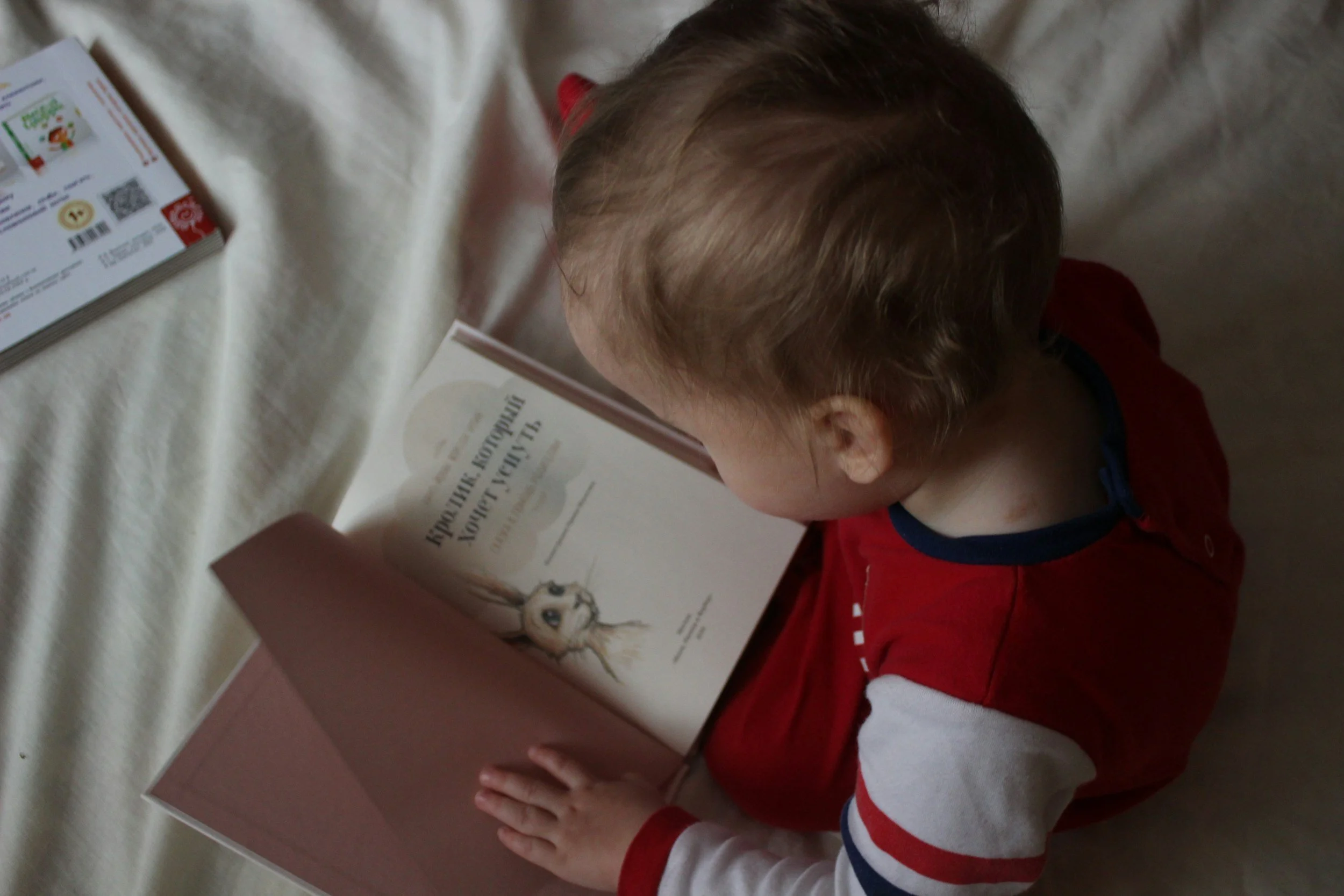
Set up a cozy and inviting reading space for your baby:
1. Use a soft mat or comfy chair for storytime.
2. Keep books within reach to encourage spontaneous exploration.
3. Rotate books regularly to maintain interest.
Overcoming Challenges in Early Reading
Babies might have short attention spans or treat books like toys. Here's how to address these challenges:
1. Be Patient: It's okay if reading sessions are brief.
2. Make It Interactive: Encourage touching, flipping pages, or mimicking sounds.
3. Model Reading: Let your baby see you enjoy books, reinforcing their importance.
Setting the Stage for Lifelong Reading
Starting a baby's library sets the tone for future literacy. Make books a cherished part of family life. These habits pave the way for a love of stories.
Frequently Asked Questions About Baby's First Library
1. How often should I read to my baby? Daily reading, even for a few minutes, is beneficial.
3. What if my baby doesn't seem interested in books? Experiment with different types of books and read at times when they are calm and alert.
Conclusion
Building a baby's first library is a beautiful journey of discovery and connection. Parents can create magical moments that lay the groundwork for lifelong learning by choosing the right books and nurturing a love for stories. Start small, stay consistent, and enjoy every smile, giggle, and page-turn along the way.