All Ears and Butterflies: Introducing Idioms to 4- and 5-Year-Olds

Have you ever told a child you were “all ears” and watched them immediately inspect the sides of your head?
I have, and that is exactly why I love idioms.
Idioms are expressions that mean something different from the actual words being used. Adults understand that “butterflies in your stomach” means feeling nervous or excited. A 4-year-old may picture tiny butterflies fluttering around near their belly button.
Honestly, that sounds much more interesting.
Between the ages of 4 and 5, children are entering an exciting stage of language development. They are beginning to understand humor, emotions, storytelling, and simple forms of figurative language. I think this is a wonderful age to introduce idioms because their imaginations are already working overtime.
My goal is not to have a child memorize a long list of expressions. I simply want them to become curious about words, understand what people mean, and have fun with language.
Why Idioms Matter
Young children often take words very literally.
If I tell a child to “hold your horses,” they may wonder where the horses are. If I say someone is “over the moon,” they may imagine a person floating through space.
That literal thinking is completely normal. It also gives me a great opportunity to laugh, explain, and explore language with them.
When I introduced idioms, my goal was to help my grandson understand conversations and stories, build vocabulary, describe emotions, develop a sense of humor, think creatively, and become a stronger storyteller.
The easiest way I have found to teach an idiom is to connect it to something happening in their life.
“I’m All Ears”
“All ears” means, “I am listening carefully.”
I like to use this idiom during story time or when my grandson has something important to tell me.
I might say, “Tell me what happened at school. I’m all ears!”
Then I make it silly. I cup my hands around my ears or pretend my ears have suddenly grown enormous.
I ask, “Do you think I am really made of ears?”
After we laugh, I explain that the phrase simply means I am ready to listen.
Sometimes I draw a funny picture of a person covered in ears. The sillier the picture, the more likely he is to remember the expression.
“Butterflies in Your Stomach”
I especially like this idiom because it helps kids talk about emotions.
A child may feel nervous before starting school, meeting someone new, performing in a program, or trying an unfamiliar activity. They may not always know how to describe that feeling.
I might say, “Sometimes when I feel excited and a little nervous, it feels like I have butterflies in my stomach.”
Then I ask what their butterflies would look like. Are they big or small? What colors are they? Are they fluttering quickly or slowly?
This playful conversation helps a child understand that nervousness is normal. It also gives them words to explain what is happening inside their body.
“Over the Moon”
When someone is “over the moon,” they are extremely happy.
I used this idiom at his sister’s 2nd birthday to celebrate that joyful moment.
“I was over the moon when you learned to write your name!”
“I was over the moon when you came to visit!”
Then I asked him to show me what “over-the-moon happy” looks like. They may jump, spin, cheer, or stretch their arms toward the sky.
I also turn it into a storytelling activity.
“Why do you think Jack the bear was over the moon?”
Maybe he found a giant jar of honey. Maybe his best friend came to visit. Maybe he learned how to ride a scooter.
There are no wrong answers. I simply want him to connect the phrase with a feeling of happiness.

“Put Your Thinking Cap On”
No actual hat is required, but I think wearing one makes this idiom much more fun.
“Put your thinking cap on” means it is time to solve a problem, create something, or come up with a new idea.
I use this phrase while doing puzzles, building with blocks, making crafts, or reading a mystery.
I even like the idea of keeping a special thinking cap nearby. It could be a funny hat, a paper crown, or an old baseball cap covered with stickers.
When a challenge appears, I announce, “We need our thinking caps!”
Then I ask questions like:
“What else could we try?”
“How could we build the tower differently?”
“What do you think will happen next?”
This helps them slow down, think creatively, and try again.
“Reach for the Stars”
“Reach for the stars” means trying your best and believing you can accomplish something. When I use this phrase with him, I focus on effort rather than perfection.
I might say:
“You reached for the stars when you kept trying to zip your coat.”
“You reached for the stars when you practiced writing that letter.”
“You reached for the stars when you tried something new.”
A child does not need to win, finish first, or do everything correctly. Reaching for the stars can simply mean being brave enough to try.
One fun activity you might enjoy is making paper stars and writing or drawing something your grandkid worked hard to do. I have hung the stars on a wall or refrigerator as a reminder that effort matters.
“Like a Fish Out of Water”
A person who feels “like a fish out of water” feels uncomfortable or unsure in a new situation.
I use this idiom when talking about starting a new class, attending a birthday party, joining a team, or visiting an unfamiliar place.
I have said, “When I went somewhere new and did not know anyone, I felt like a fish out of water.”
Then I ask, “What could help the fish feel more comfortable?”
A child may suggest finding a friend, asking for help, or bringing something familiar.
This simple conversation builds empathy and helps children think about ways to handle new experiences.
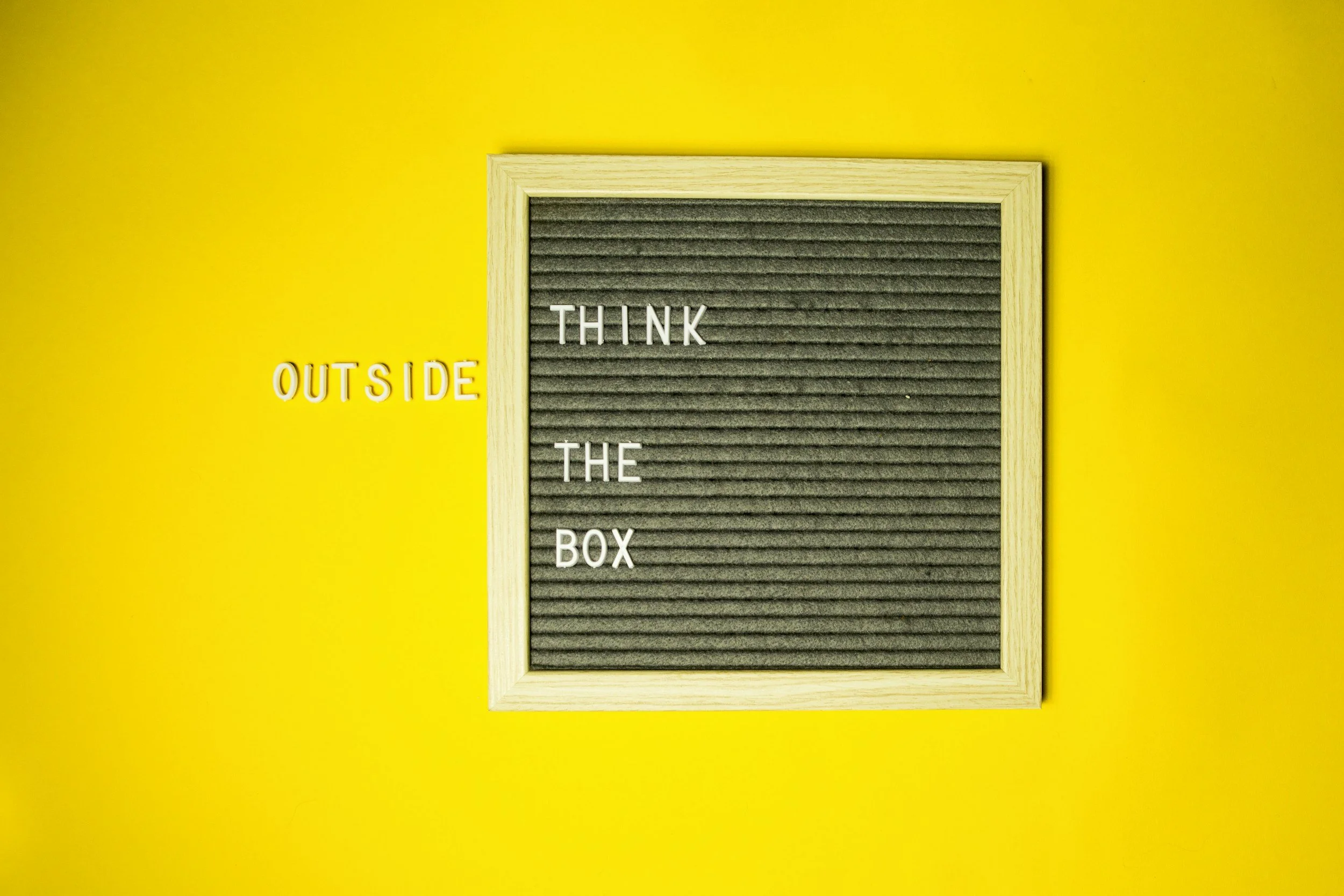
“Think Outside the Box”
“Think outside the box” means trying a new or different idea.
I love using an actual cardboard box for this one.
I give my grandson an empty box and ask what it could become.
A race car?
A castle?
A spaceship?
A bakery for stuffed animals?
A cardboard box is perfect because there is no single correct answer. The child is literally using a box while learning to think beyond the obvious.

How To Make Idioms Part of Everyday Life
Now, I do not believe idioms need to be taught as a formal lesson. Rather, I simply choose one expression and use it naturally during the week.
I may read a story, listen for funny phrases, draw what the idiom would look like if it were real, act it out, or ask my grandson to guess its meaning.
Another fun idea is an Idiom Jar. I write simple idioms on slips of paper, place them in a container, and pull out one each week.
A child may not remember every expression right away, and that is perfectly fine. Language grows through repetition, conversation, laughter, and shared experiences.
So I will keep my ears open, put on my thinking cap, and enjoy watching a child become over the moon about words.
At CJ Corki, we believe literacy begins with curiosity, conversation, and joyful moments shared between children and the adults who love them. Follow CJ Corki for more playful ways to raise confident, curious readers.