Learning Through Play: Building Pre-Reading Skills in Three- and Four-Year-Olds
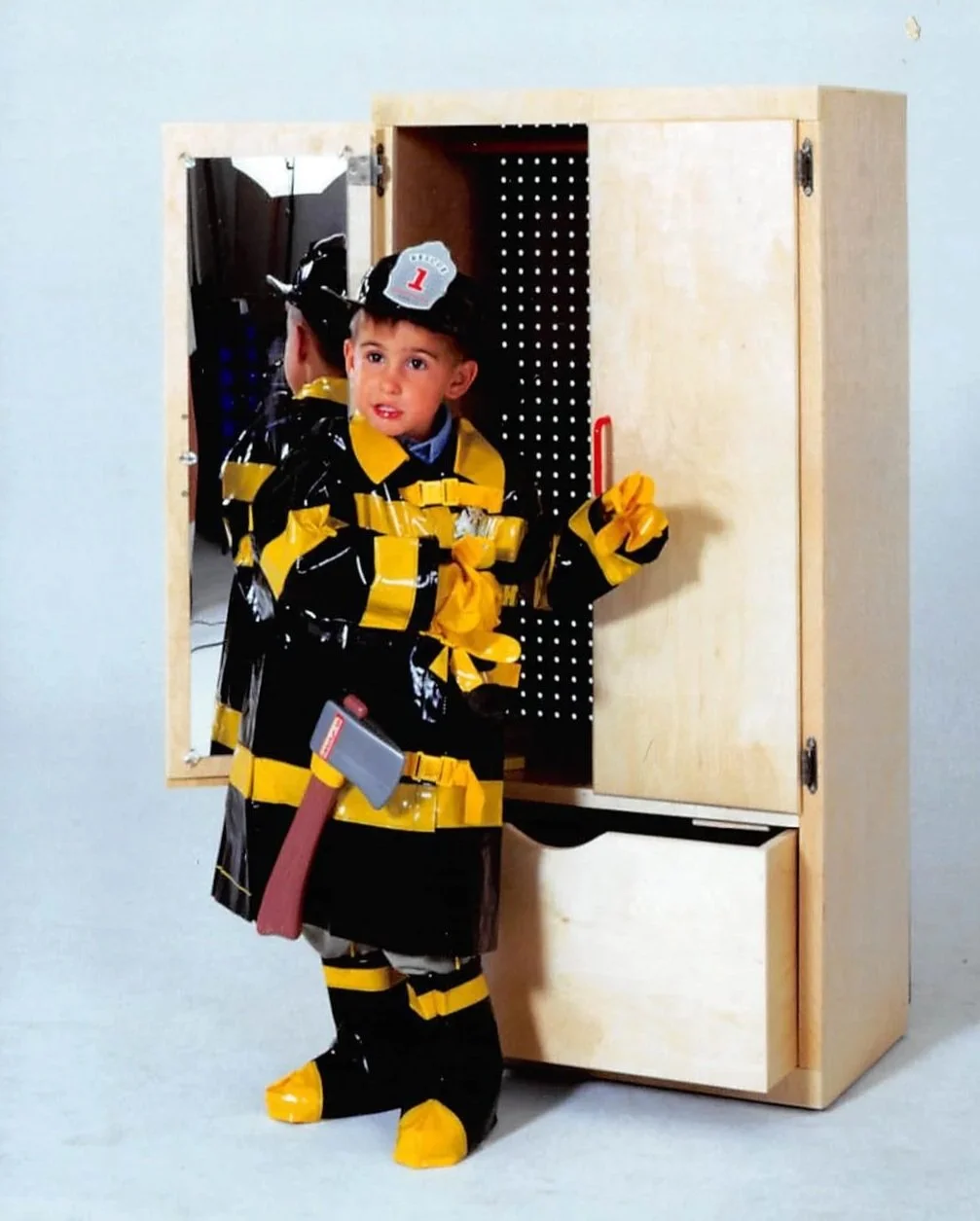
Children between the ages of three and four are naturally curious, imaginative, and increasingly independent. They are beginning to ask more questions, tell longer stories, recognize familiar letters, and make connections between the books they hear and the world around them.
At this age, preparing a child to read should not feel like formal instruction. The most effective learning happens through play, conversation, music, movement, drawing, and shared stories. These enjoyable experiences help children develop the language, comprehension, sound awareness, and early phonics skills they will eventually use to become confident readers.
Read Stories That Stretch Their Imagination
As children grow, they are often ready for picture books with more detailed plots, richer vocabulary, and longer sequences of events. Books such as The Snowy Day by Ezra Jack Keats and If You Give a Mouse a Cookie by Laura Numeroff invite children to follow a story from beginning to end while encountering unfamiliar words and ideas.
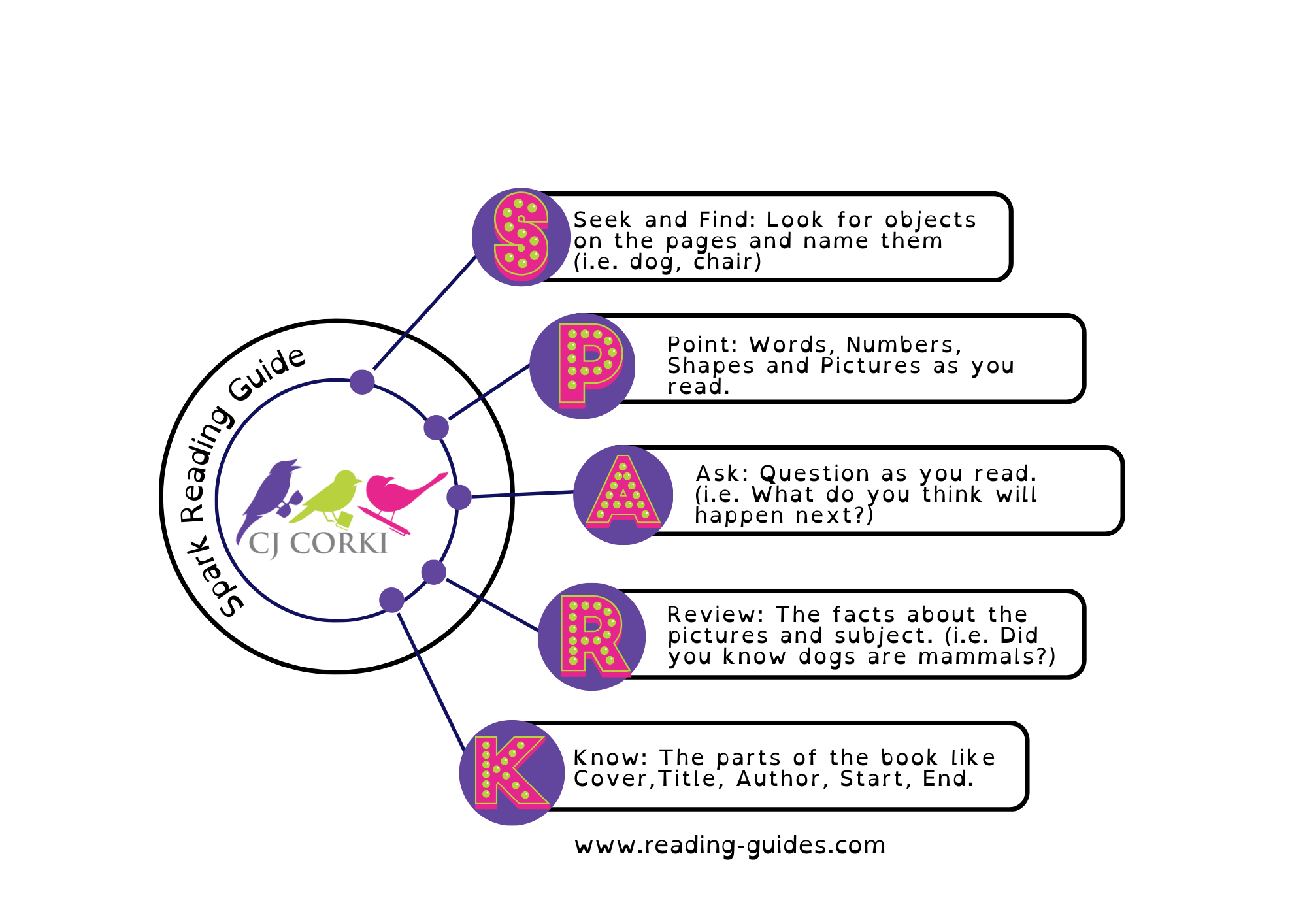
While reading, pause occasionally to talk about what is happening. Use the S.P.A.R.K. method. Ask your child questions such as, “Why do you think the character did that?” or “What do you think will happen next?” Predicting what comes next encourages children to pay attention to clues, think critically, and become active participants in the story.
Books with clear patterns or sequences, such as The Very Hungry Caterpillar, are especially helpful. After reading, ask your child to remember what happened first, next, and last. This playful conversation develops memory, logical thinking, and story comprehension.
Encourage Children to Become Storytellers
Three- and four-year-olds may not be able to read the printed words, but they can still “read” a familiar book by looking at the illustrations, remembering repeated phrases, and telling the story in their own words. Before our oldest was three years old, he could “read” the entire story Polar Express verbatim. I knew he wasn’t actually reading, but he heard the story so many times, he knew it by heart.
After finishing a book, invite your child to retell it using the pictures as a guide. Avoid correcting every detail. The goal is to help the child practice organizing ideas and expressing them clearly.
Wordless picture books, such as Journey by Aaron Becker, offer another wonderful opportunity for storytelling. Because there are no printed words, children can invent their own characters, dialogue, and explanations. Each time the book is opened, the story may be slightly different.
This kind of imaginative storytelling strengthens vocabulary, comprehension, creativity, and confidence.
Bring Books to Life Through Dramatic Play
Children often understand stories more deeply when they can physically experience them. Invite your child to act out a favorite book using costumes, stuffed animals, blocks, blankets, or household objects.
After reading The Three Little Pigs, for example, children might construct houses from pillows, cardboard boxes, or building blocks. One child can pretend to be the wolf while another plays one of the pigs.
Dramatic play helps children remember characters and events while practicing communication, cooperation, and problem-solving. It also turns reading into a lively experience that extends beyond the pages of the book.
Play With Rhymes, Sounds, and Letters
Long before children begin reading words, they need to hear the smaller sounds within language. Rhyming books, nursery rhymes, songs, and word games help develop this ability.
Read books with strong rhyming patterns, such as Green Eggs and Ham, and make up simple rhyming challenges together:
“What rhymes with cat?”
“Bat!”
“What rhymes with tree?”
“Bee!”
The answers do not always have to be real words. Silly rhymes often make the game even more enjoyable.
Songs such as “The Wheels on the Bus” and “Itsy Bitsy Spider” also reinforce rhythm, repetition, and sound patterns. Adding hand motions or actions makes the experience more memorable and supports children who learn best through movement.
Children can also begin exploring the sounds associated with individual letters. You might say, “Ball begins with B. B makes the ‘buh’ sound.” Phonics songs and simple resources such as ABC See, Hear, Do can introduce these sounds without turning the experience into a lesson or test.
Discover Letters in Everyday Life
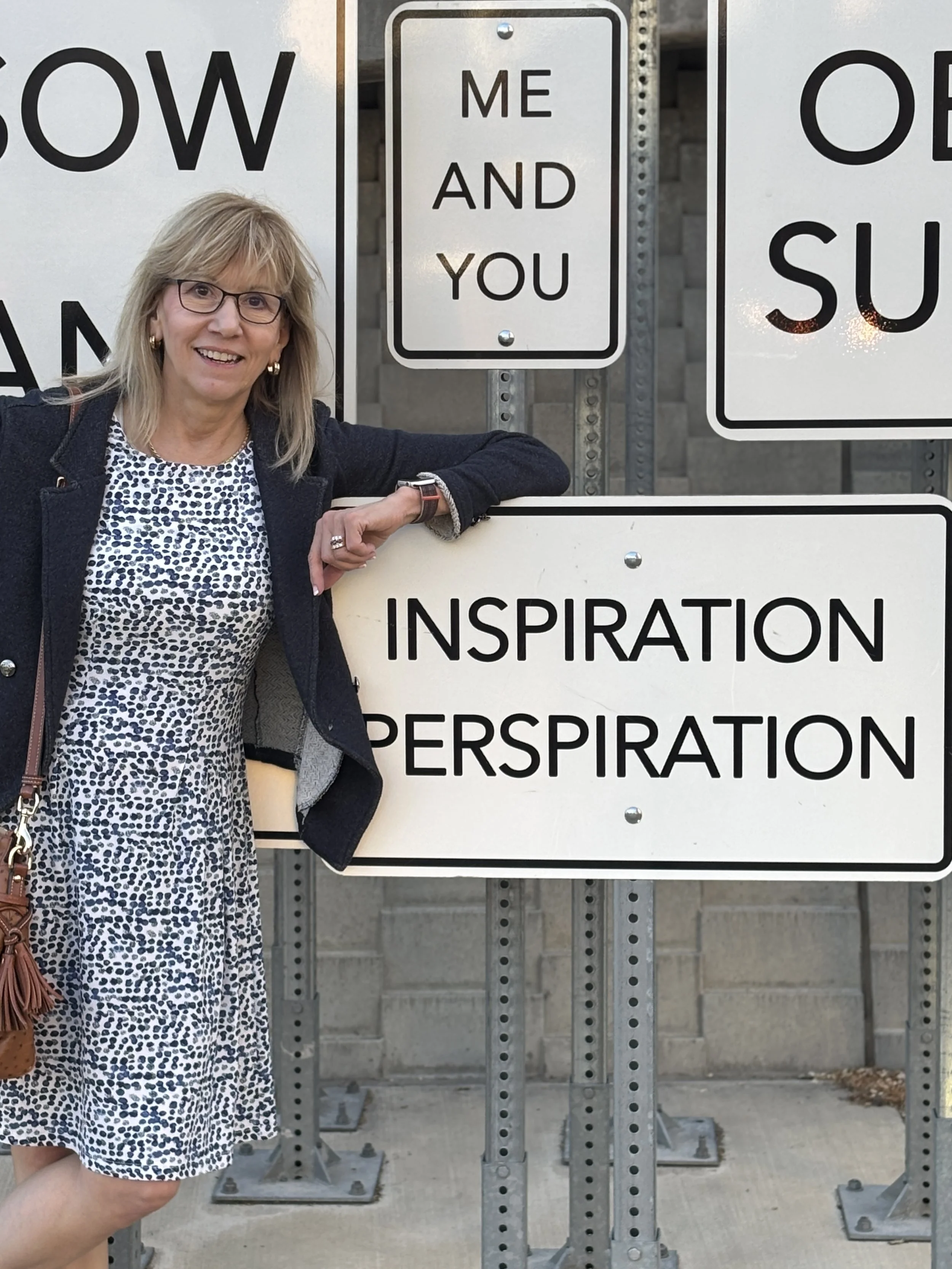
Letter recognition becomes more meaningful when children see that print is part of their daily environment. Point (S.P.A.R.K.) out letters and words on road signs, menus, cereal boxes, store displays, and packages.
You might say, “That sign says STOP. Can you find the letter S?” or “Your name begins with M. Can you find another M on this page?”
Alphabet books, magnetic letters, puzzles, and letter-matching games can also help children become familiar with the shapes and names of letters. Keep the activities brief and playful. At this age, curiosity and enjoyment are more important than memorizing the entire alphabet.
A letter scavenger hunt can turn this learning into a game. Ask children to find objects that begin with a particular sound, such as a spoon, sock, or stuffed animal for the letter S.
Support Early Writing Through Drawing and Scribbling
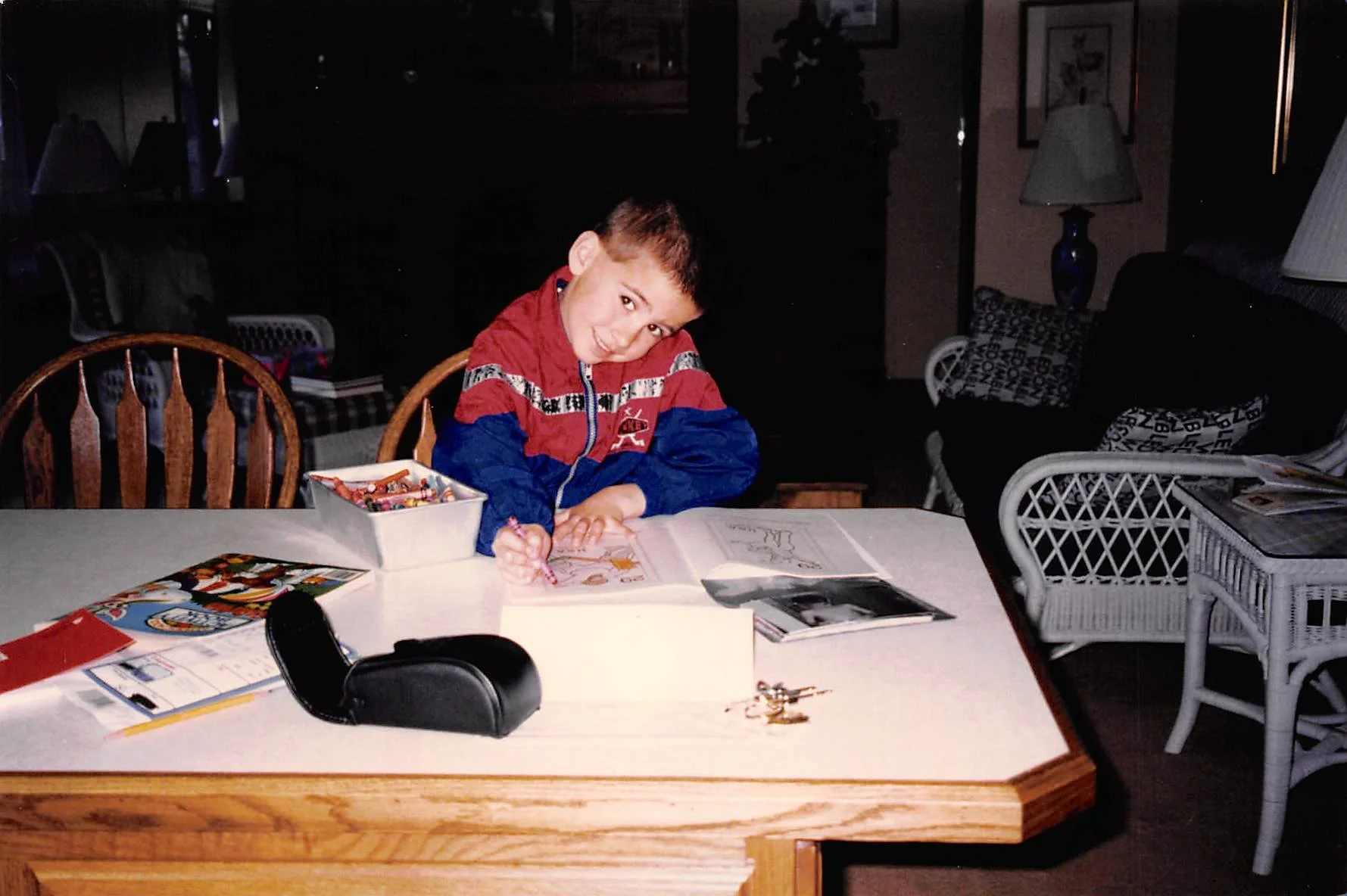
Drawing and scribbling are important steps toward writing. Give children access to crayons, washable markers, pencils, and paper, and invite them to draw a favorite character or scene from a book.
Ask the child to tell you about the picture. You can write down the child’s words underneath the drawing, showing that spoken language can be recorded and read.
Children may also enjoy creating their own books. Fold several pieces of paper together and let the child illustrate a story. The child can make marks, pretend to write, or dictate the words to an adult.
These activities strengthen hand muscles, encourage self-expression, and help children understand that writing communicates ideas.
Create a Home Filled With Stories
A home library does not need to be large or elaborate. A basket of books, a small shelf, or a comfortable reading corner can create a welcoming place for children to explore.
Let children help organize their books and choose which ones to display. Rotating books periodically can renew their interest and make familiar titles feel exciting again.
Most importantly, allow children to choose books, turn the pages, ask questions, repeat favorite stories, and occasionally abandon a book that does not hold their attention. Independence and choice help children develop a positive relationship with reading.
Keep Learning Joyful
The goal for three- and four-year-olds is not to push them into reading before they are ready. It is to surround them with language, stories, sounds, letters, creativity, and conversation.
When children sing songs, act out stories, hunt for letters, invent rhymes, draw pictures, and “read” books from memory, they are doing far more than playing. They are building the foundational skills that make future reading possible.
A child who associates books with warmth, discovery, laughter, and connection is already taking an important step toward becoming a lifelong reader. Take action today and download our S.P.A.R.K. reading guide and put your child or grandchild on the road to reading.