The Power of Storytelling: Creating Magical Moments with Grandkids

Stop me if you’ve heard this one before: It's a quiet evening, the light is dim, and you’re sitting in your favorite rocker chair with your grandchild snuggled up beside you. You open a beloved storybook, and as you begin to read, their eyes light up with wonder. These moments are not just about entertainment—they are almost priceless.
Almost? Yes, almost. If you’re a grandparent yearning to connect deeply with your grandchildren, storytelling is a magical key to unlocking that connection. But while beloved storybooks are wonderful, your personal stories are a priceless gift and hold a unique power to connect generations.
The Magic of Storytelling
I know you know this…the distraction of screens and gadgets can’t compete with the power of your stories.
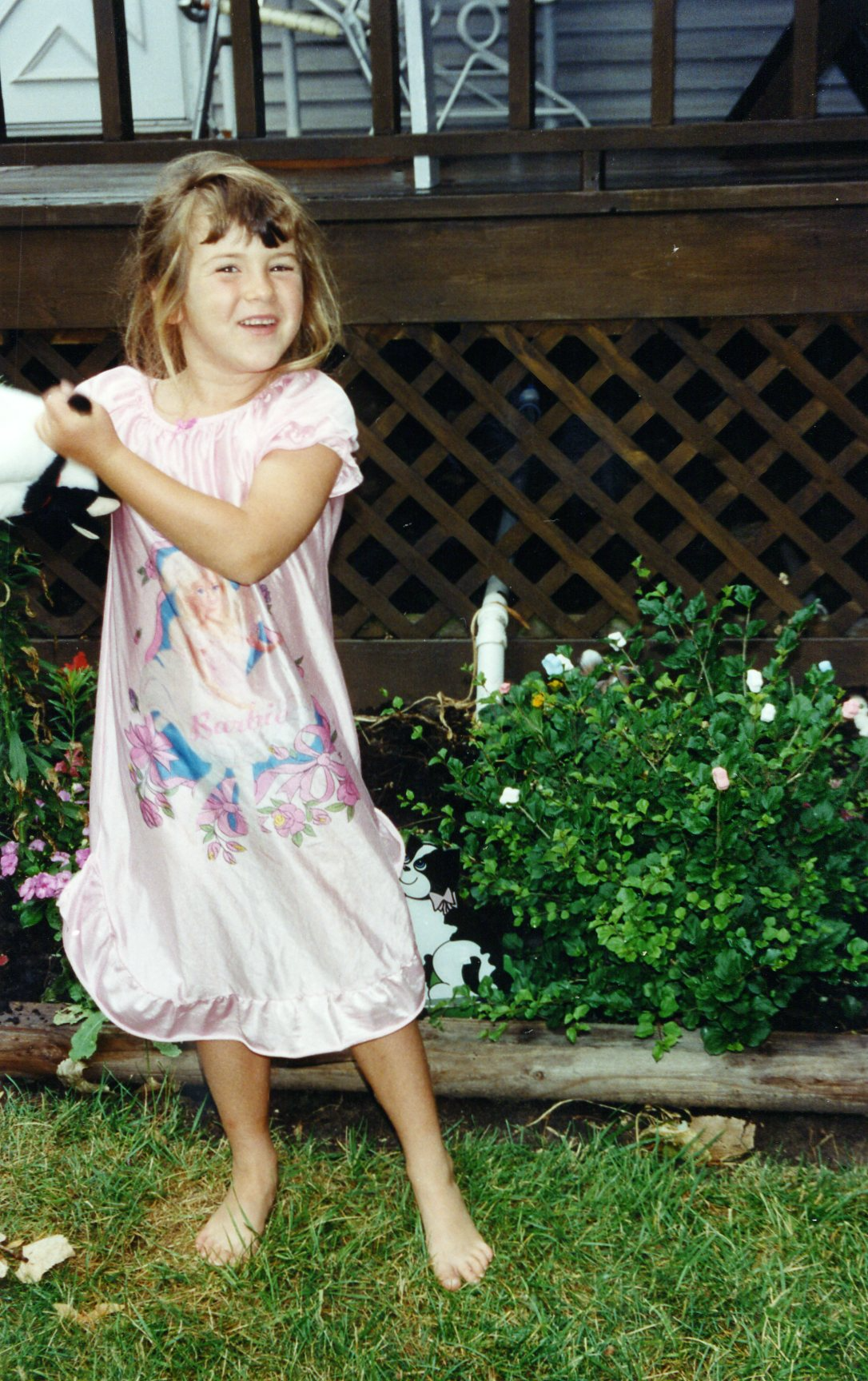
The magical marshmallow bush
By sharing your stories, you are weaving the fabric of our memories. For kids, stories are not just tales—they are adventures, lessons, and memories rolled into one. You can help shape their understanding of the world, teach them valuable lessons, and provide comfort and joy, all without leaving the rocker. You’ve got the stories. I know you do. With at least 50 years of living, you are filled with wisdom, values, and family history from a perspective no one else has. As a grandparent, your stories offer a unique opportunity to bond with your grandkids, passing down wisdom, values, and family history in a way that is both engaging and meaningful.
We could talk about how storytelling enhances a child's cognitive development and emotional intelligence or how it stimulates their imagination and boosts their listening skills, but that’s not why you should do it. The more valuable development comes from the emotional connection the stories build between you and them.
Choosing the Right Stories
I have heard people say, “I’m not a storyteller.” I am here to tell you that everyone is a storyteller. You and I can do it. We don't need to be a professional writer or performer to captivate your audience. However, selecting the right stories is crucial. I would love to take credit for the stories my sisters and I write in our Did You Know, Can You Find Series, but our dad was the storyteller. We are merely the messenger, playing his stories forward to share with the world. His gift was building stories, sharing values, and inspiring imaginative play by inventing magical experiences from everyday items.
Now it’s your turn. Think of a story about your own adventures as a child, maybe you can teach the value of curiosity and resilience? How about when you were the smallest kid on the playground and you time and time battled for a spot in the game, or…. What about a family legend about something about one of your ancestors who showed great bravery or kindness? Maybe a story about your great Uncle Al, who hopped on a train during the depression and rode into the city, dropping money from the side of the train so the hobos of the time could buy food? What stories do you remember hearing when you were a child? Whatever you have learned, you can instill these virtues in your grandchildren. Remember, choosing stories that resonate with you and your grandkids is the goal. Paint a picture…. Maybe something like ” It was the coldest night in history when,” Make the storytelling experience rich and personal.
Engaging Your Grandkids
Of course, the way you tell a story can make all the difference. I don’t have the magic bullet, but here are a few tips that can help capture and hold your grandkids' attention:
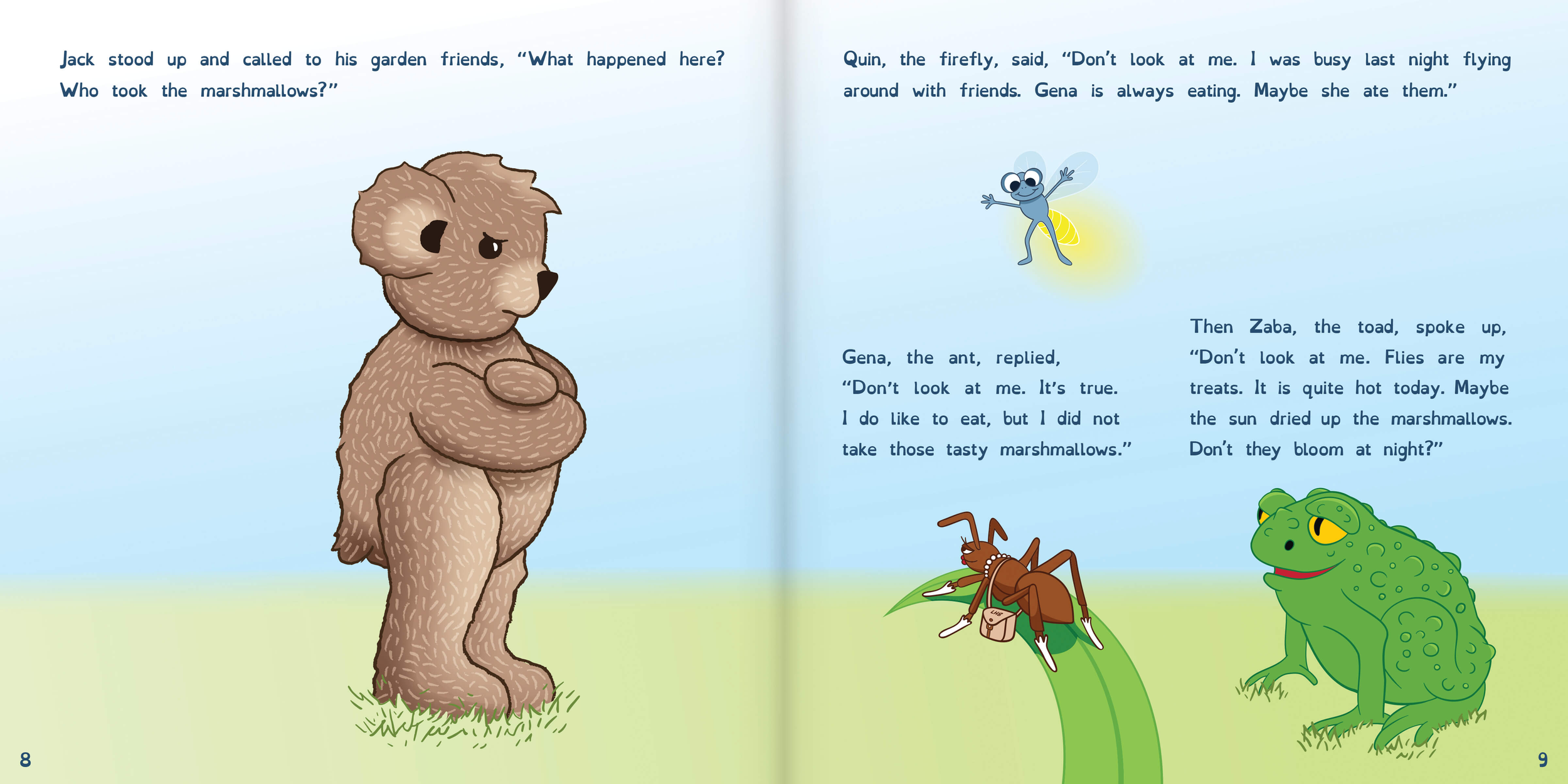
Use Expressive Voices and Gestures: Bring characters to life with different voices and animated gestures. This will make the story more vivid and engaging. You should hear my sister Charlotte tell the story about Zaba, our big green toad; I can still hear her deep R-I-B-B-I-T.
Ask Questions: Involve your grandkids by asking them questions about the story. What do they think will happen next? How would they feel in a character's shoes? Ask them more than “yes” or “no” but rather “thinking” questions. Those questions can allow you to pass on another lesson or two.
Relate to Their Experiences: Somewhere in your experiences, you can connect your story to what your grandkid is experiencing. If you tell a tale about your childhood, highlight similarities and differences with their lives today. This relatability helps them connect more deeply with the story.
Of course, this last comment goes without saying, but I will say it anyway. Adapt your stories with more details for different age groups. Younger kids may prefer simple, repetitive tales, while older kids might enjoy more complex narratives with deeper themes.
Building a Storytelling Tradition
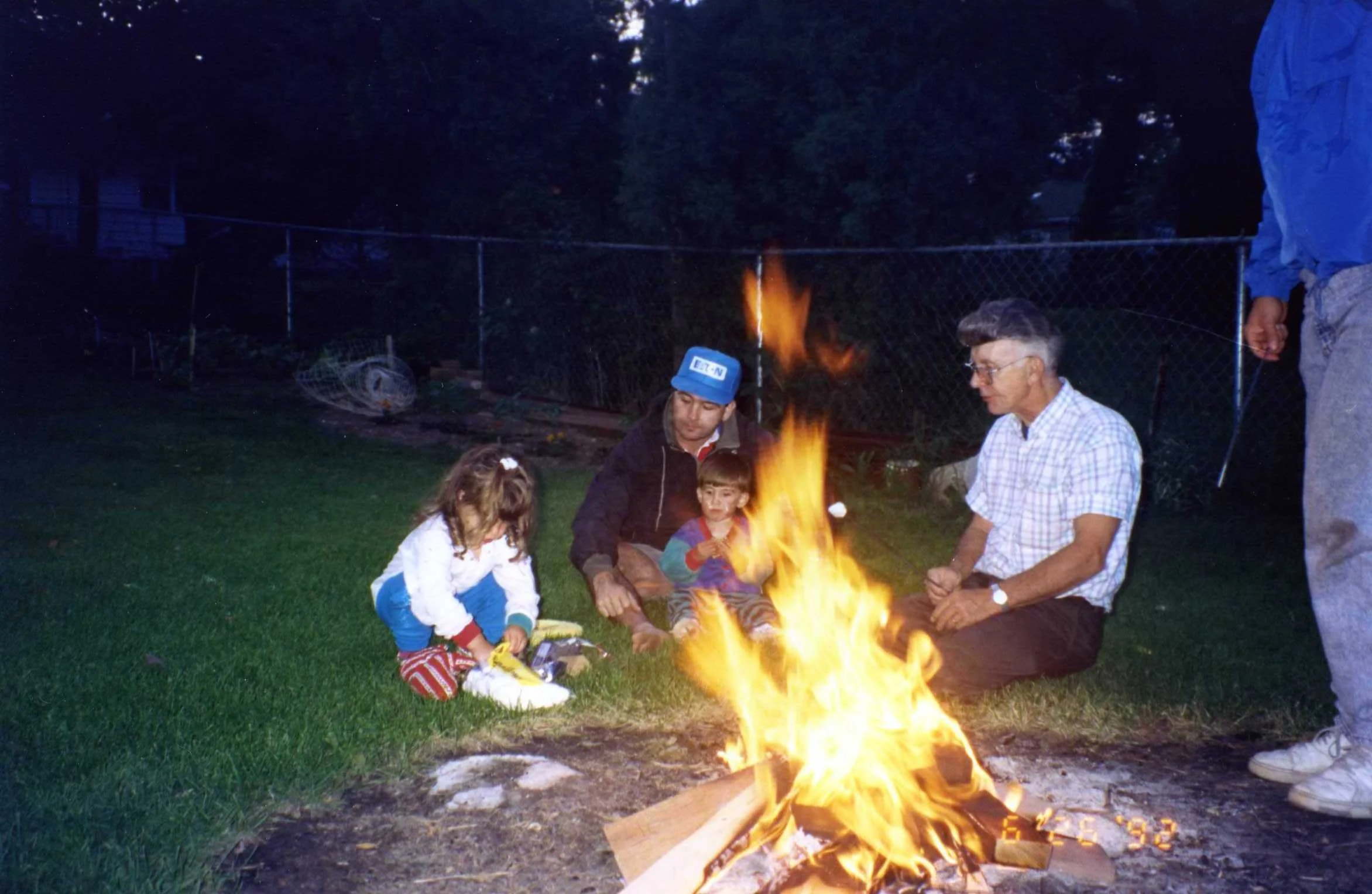
Consistency is key to creating a lasting storytelling tradition. Make storytelling a regular part of your family gatherings. Whether it’s a bedtime story, a weekly story night, or a special holiday tradition, these moments will become cherished memories for your grandkids. With a 4-year-old grandkid and another on the way, I have been sharing stories about my early years and how I learned to share. Hopefully, he will remember these stories when he wants to say, “No, mine.” Ah, siblings, the stories will abound.
Encourage them to share these stories with their friends and, one day, with their own children. This way, you’re not just telling stories—you’re creating a family legacy.
Conclusion
Telling your stories is a powerful tool for connecting with your grandkids, imparting values, and creating lasting memories. It’s a tradition that will benefit both you and your grandkid, and the priceless stories will help them understand your special family legacy.
So, the next time you’re with your grandkids, forget about the screens or books. Instead, think of a story that is special to you. These storytelling moments will create magic that they will remember and cherish for years to come. Start today and let the enchantment of storytelling transform your family gatherings.