Let’s Help our Grandkids Develop Grit: A Grandparents Guide

Grit! I love that word. Grit!
It sounds durable and tough. Grit. Just saying the word feels like a special kind of strength. No, it's not about how big your muscles are or how fast you can run, but about how we keep trying, even when things get hard. Kind of like a Crazy Glue that helps us stick with something until we finish it, no matter how hard it is!
In today's fast-paced world, grit isn't just a nice-to-have—it's essential. As grandparents, we have a unique opportunity to help our grandkids develop this crucial trait. Let's look at some practical ways we can nurture grit in our grandkids, ensuring they can face life's challenges head-on and become stronger.
Grit is all about perseverance and passion for long-term goals. It's the ability to keep pushing forward, even when things get tough. Unlike natural talent or intelligence, grit is a skill that can be developed and strengthened over time. For our grandkids, cultivating grit means they'll be better equipped to handle setbacks and continue striving toward their dreams, regardless of what gets in their way.
Some might think I am suggesting we throw our grandkids into dangerous or challenging situations…or am I? Hear me out: sometimes, with the best intentions, we rescue them or give them a "pass." Have you ever found yourself saying, "Oh, that's ok, you don't have to do it if it makes you sad." Agh…. We must encourage them to face challenges head-on, embrace failures as learning opportunities, and develop a growth mindset. We know that discomfort is an unavoidable part of life. It could be trying new activities or facing social situations; discomfort comes in many forms. The first step is helping them understand that discomfort is not something to fear but rather an opportunity for growth. It is their first step in cultivating "grit."
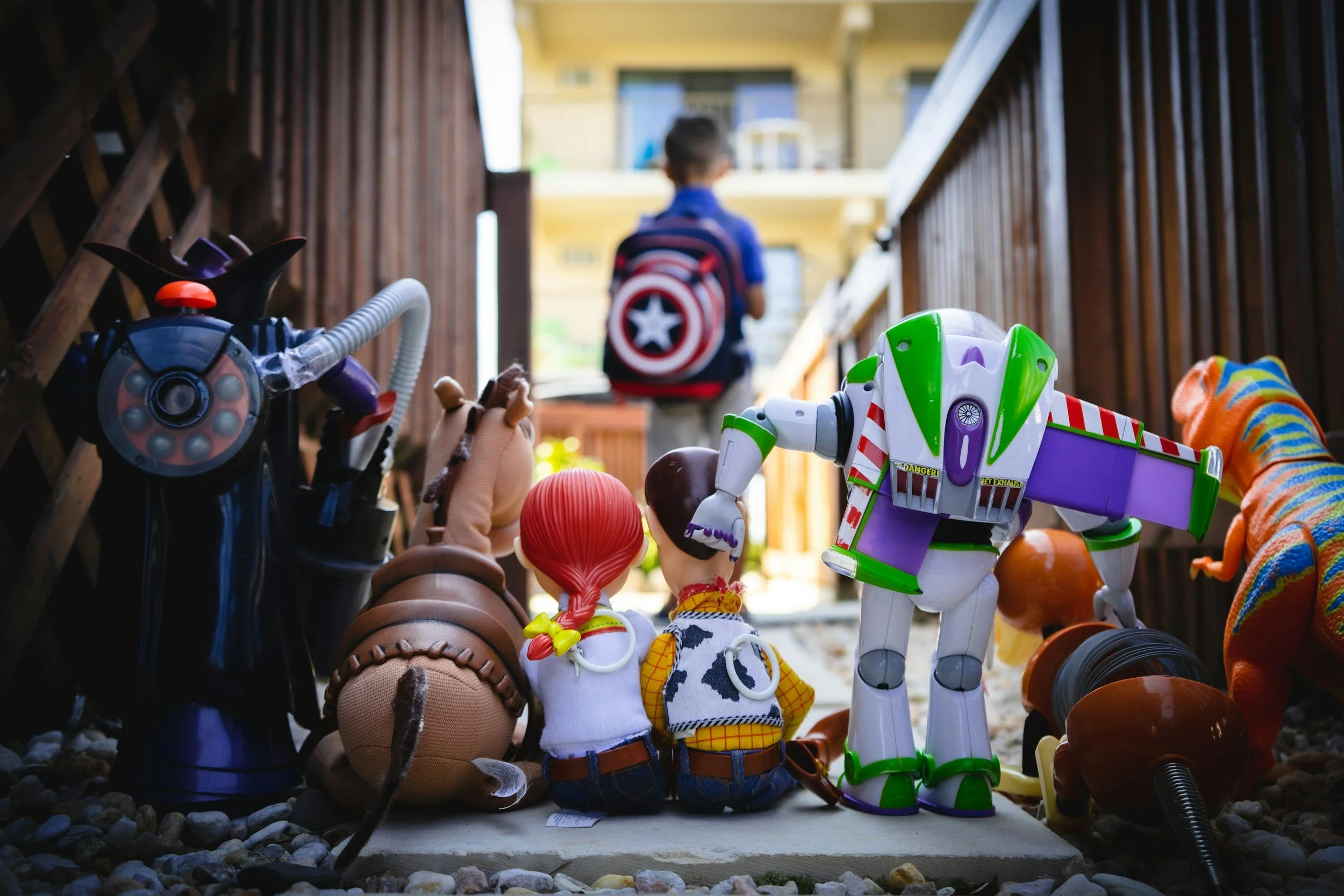
Let me share a recent story about my four-year-old grandson. He was diligently absorbed in building the tallest LEGO tower he could imagine. Piece by piece, he carefully assembled his tower, only to come crashing down when he misstepped on a stool. Crash! The look of shock on his face quickly turned into tears. This moment became a perfect teaching opportunity. We talked about what he learned and how he could approach it differently next time. His willingness to try again showed his budding resilience—a trait we can all help nurture in our grandkids.
We don't need to throw our grandkids into the deep end of discomfort. Start with small, manageable challenges and gradually increase the difficulty. This approach helps build their confidence and tolerance for discomfort. Activities like tying their shoes, drawing complex pictures, or trying new sports are great starting points.
These problem-solving skills are crucial for navigating discomfort. Teach your grandkids how to break down problems into smaller, manageable steps and think critically about possible solutions. This will help them feel more in control and capable of handling challenges.
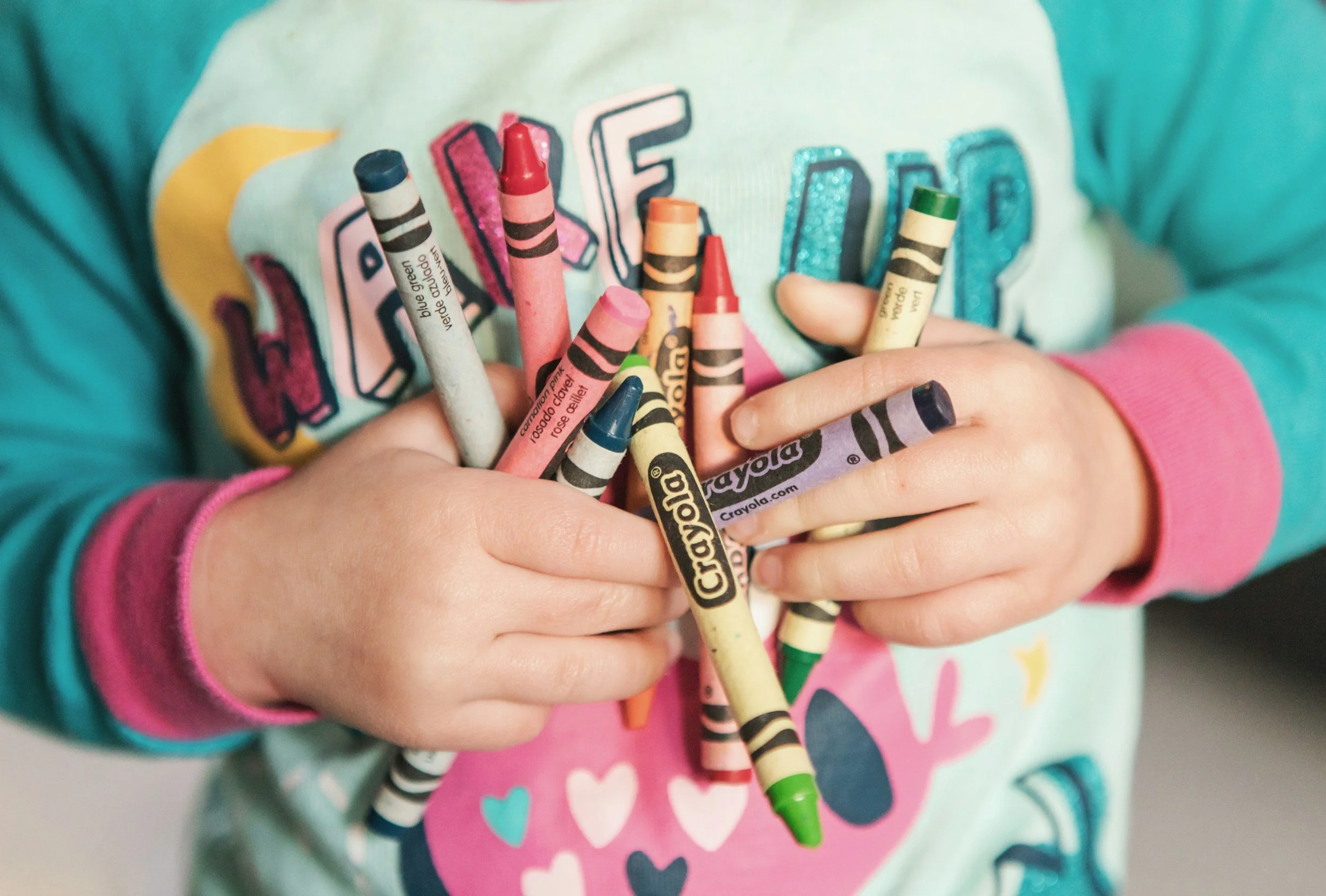
Here are a few tried-and-true ideas for reinforcing "grit" in your grandkid's life.
·Using Stories and Characters
Children love stories, especially those with relatable characters. Here is a simple prequel story about our lovable puppy, S'more, from The Marshmallow Mystery.
In a small town, a determined puppy named S'more, with his spotted coat and sparkling eyes, found himself in an animal shelter, longing for a forever home. Left behind on an adoption day, S'more nudged his cage open and embarked on a brave journey. He crossed a busy street, wriggled through a fence, and reached a yard filled with marshmallows, believing this must become his home. Night after night, despite the weather, he collected marshmallows to present to the little girl with mismatched socks. One night, confronted by a huge green shadow and twinkling lights, S'more pressed on. The obstacles turned out to be garden friends who, touched by S'more's spirit, welcomed him. S'more's determination led him to a loving home, bringing joy and love to his new family every day. Like S'more, when we keep trying, even when it's hard, we show our grit.
·Grit Relay Race
If you want something more active, create a fun relay race where the kids have to complete different tasks, like hopping on one foot or balancing a bean bag on their heads. Each task might be challenging, but the goal is to keep trying until they succeed. Praise their efforts and remind them they're showing grit by not giving up.
·Grit Chart
Create a "Grit Chart" where you and your grandkids can track their efforts. Use stickers or stamps to mark every time they show grit. Celebrate when the chart is full to reinforce the positive behavior.
My nephew is dyslexic, and reading is not something he gravitated toward. He had a goal to read 10 books in a school year. His brothers received sticker after sticker, but that didn’t deter my younger nephew. He kept his goal in mind, and those hard-fought stickers were acquired, one painfully read book at a time until he met his goal.
·Puzzles and Building Blocks
Engage them in activities like puzzles or building blocks. These activities naturally present challenges that require patience and perseverance. Encourage them by saying, "I know this is tricky, but I believe you can do it if you keep trying!" When my daughter was younger, she would rush home from school, run upstairs, and find either a puzzle or brain teaser that magically appeared on her bed. She would eagerly solve the problems and couldn't wait for the next day’s new challenge. Since they appeared to be easy, the riddles became harder and harder. At first, she was frustrated and looking for answers, but when no answers came her way, she buckled down and worked on the challenges until they were solved. She learned that she could handle it and, with no help, put her mind to it. That success has carried her as other tough situations arise.
·Personal Story Example
Tell them a story about you! How about when you were resilient as a kid? Something like, "When I was learning to ride a bike, it was tough. I fell many times, but I kept trying and trying. I wouldn't give up, and now I can ride my bike everywhere!"
My youngest sister didn’t learn to ride her bike until she was 8 years old. She was small and short and learned that balancing was a talent that she did not naturally possess. She would try and fail more times than I could count, but she never gave up. Now that is True Grit!
Helping your grandkids lean into discomfort is one of the most valuable gifts you can give them. Using stories, activities, and positive reinforcement, you can help your grandkids understand and develop this vital trait regardless of age. Remember, it's not about shielding them from discomfort but instead equipping them with the tools to face it head-on and grow stronger from the experience.
What are your "grit" stories? Share them in the comments below. We'd love to hear how you've seen "grit" in action in your grandkids or even in your own life. Your stories can inspire others and provide practical examples of nurturing this important trait.