The Dog Ate My Homework

How many times have you been wrong…in a day? A week? Ever? What do you do to teach your grandkids how to deal with mistakes?
As for me, personally, was I ever W-R-O-N-G? Me, wrong???? No way.
That is my knee-jerk reaction when faced with someone accusing me, in their opinion, that I made a mistake.
I say "their opinion" because, after all, I am perfect and would never make a mistake. Ok, ok, I admit, maybe I periodically misspell a word, but auto-correct helped me solve that mistake. And when adding numbers together and found that if I use the Microsoft product Excel spreadsheet, it'll add something seamlessly for me. I didn't make a mistake and found ways to keep myself perfect.
Making a mistake is a complex topic.
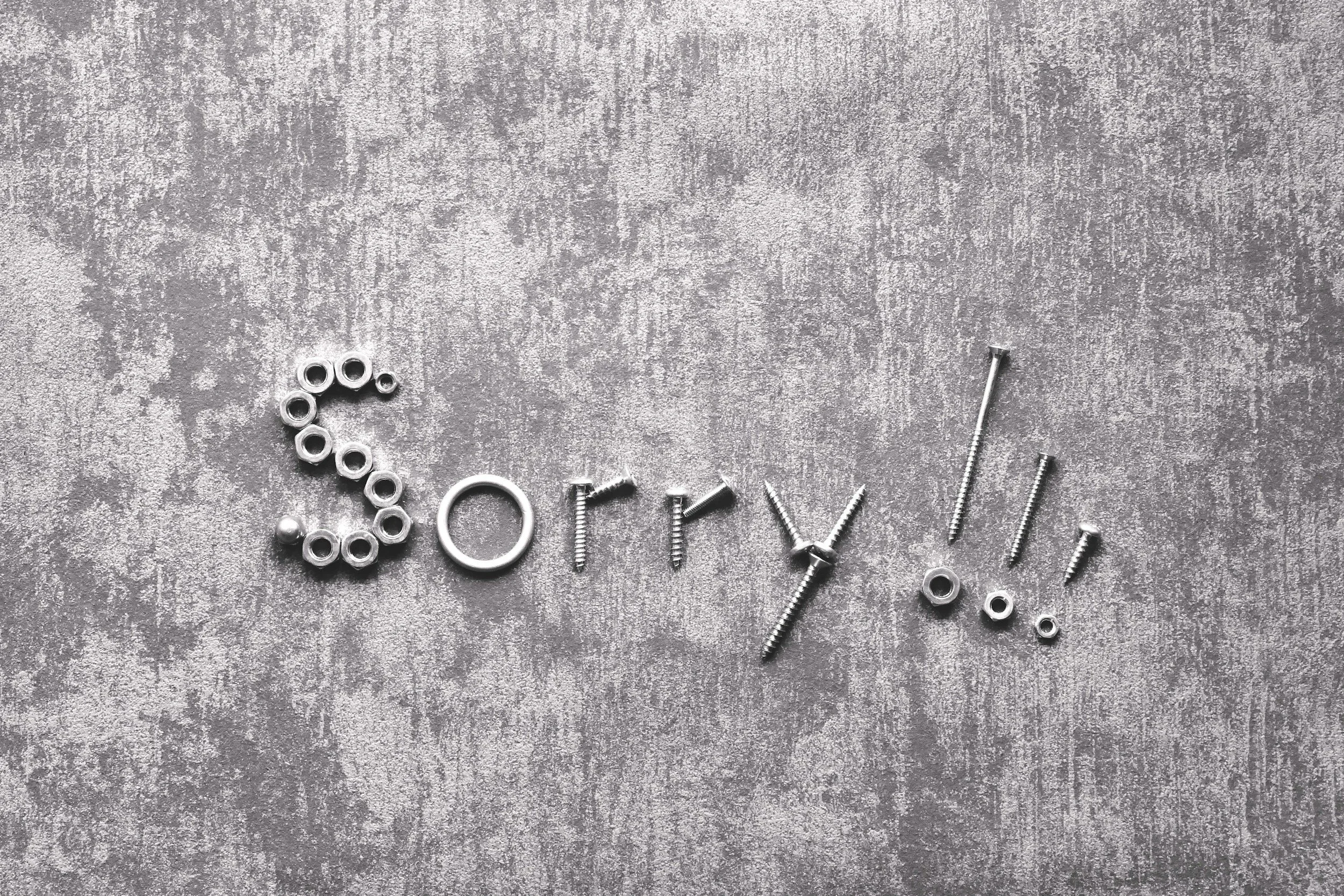
News flash… we are not perfect. Yes, even me. Making mistakes is a normal part of life. However, how we choose to communicate it or not can build or break relationships. There are two sides to this dilemma. The first is deciding that it is important enough to tell someone they are wrong and to tell them. The second is having to hear that someone thinks we made a mistake, which is challenging, to say the least.
As we interact with our grandkids, helping them learn how to say "I'm sorry" or "I was wrong" is a skill that will help them throughout their life.
Let's start first with us. If…no, when, we make a mistake, let's demonstrate how to be gracious. After all, actions speak louder than words, so if we do something wrong, acknowledge it. Never forget that we are role models. You should say sorry when you make a mistake and let your grandkids see it. They will never understand the significance of 'sorry' if they never hear it in the house. So, when it is necessary, apologize.

Depending on the age of your grandkids, your actions may be slightly different. A toddler might have a hard time understanding what is right or wrong, but it's essential to bring this into their learning earlier rather than later.
They are sieves and will mimic your behavior. If you mutter the words under your breath, they will learn that that is appropriate behavior. So don't apologize in a dark corner or take the easy way out and say it by email. If you start teaching them the basics, they will act the same way. The fundamentals include making sure they really listen to what the other person has to say, then use eye contact, use their voice to display sorrow, and end with the promise to do better.
Stand up, show remorse, and say "sorry." Period. Have you ever heard the phrase, "The dog ate my homework?" If so, you know where I am going with this. If not, it means don't give an excuse for why you did what you did. If it's wrong, say sorry, change your behavior and move on.
This blog isn't about critical thinking or debating if the "mistake" is a mistake. We can talk about that in a later blog.
The final point is that we should continue to show love. You never want them to feel unloved or ashamed because he made a mistake. We all make mistakes, and the best thing we can do is to help them understand the error and how to figure out the solution.
Being able to admit our faults takes effort, practice, and a change of attitude. It can repair broken relationships, heal scars, and bring the conversation back to the important things in life.
Let's stop the dog from eating their homework.
Would love to hear your comments below.