The After-School Question That Gets Kids Talking
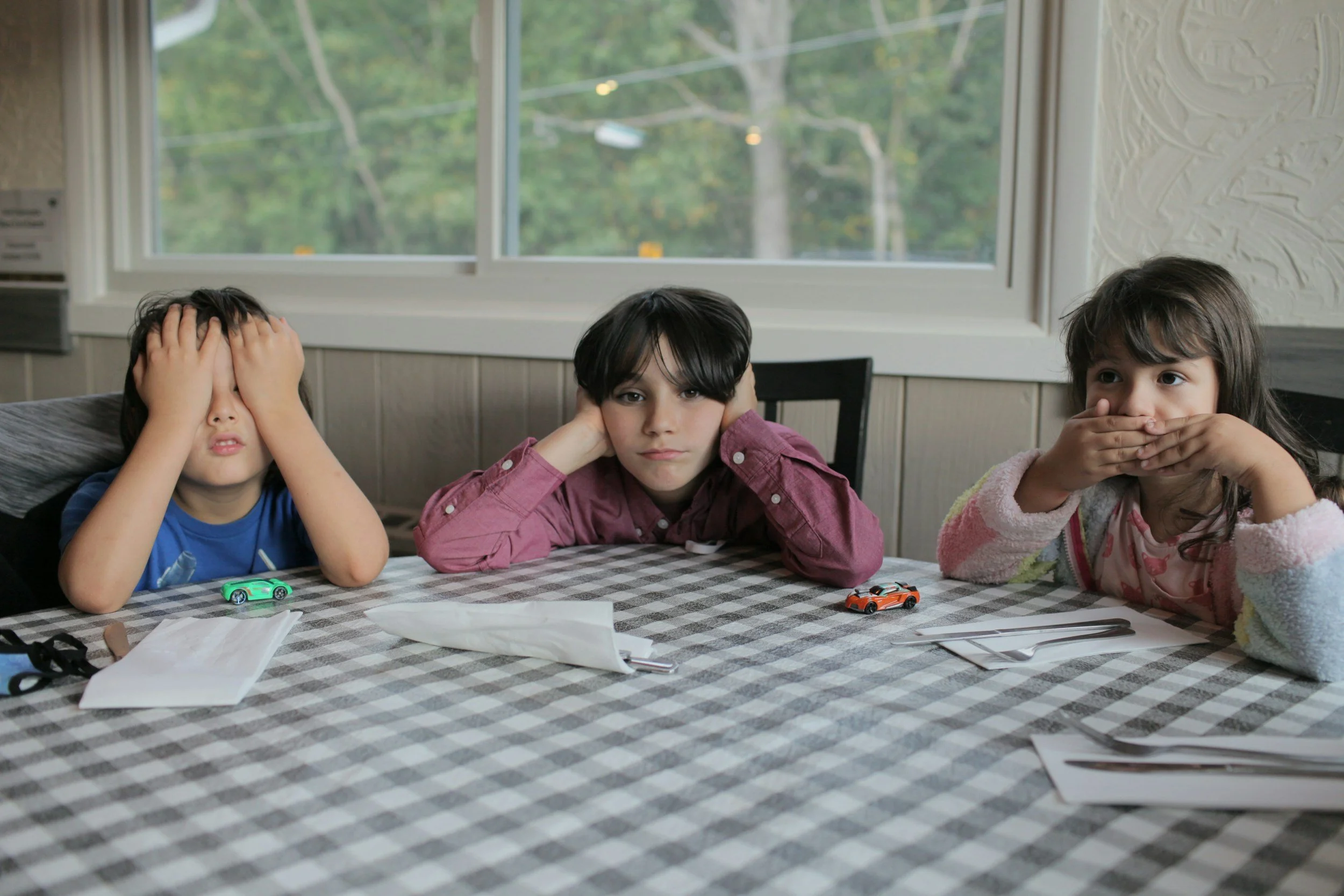
The backpacks are packed, the pencils are sharpened, and kids are heading back to school, whether they are ready or still searching for the other shoe. A new school year is the perfect time for grandparents to change up their routine too, starting with the questions we ask. This year, let’s retire “How was school?” before it earns another eye roll and replace it with questions that lead to laughter, stories, and conversations longer than one word.
“How was school?”
“Fine.”
“What did you do today?”
“Nothing.”
“What did you learn?”
“I don’t know.”
And just like that, the conversation is over.
Grandparents often look forward to hearing about a grandchild’s day. We want the stories, the funny moments, the playground drama, and maybe even a tiny clue about what they are learning.
Instead, we often get one-word answers delivered with the enthusiasm of someone reading the back of a cereal box.
The problem may not be that children do not want to talk. The problem may be the question.
“How was school?” is big, broad, and surprisingly difficult to answer. A child has spent hours moving from one activity to another. They may not know where to begin.
A more specific and playful question gives them something easier to grab onto.

Try This Question First
Instead of asking, “How was school?” try asking, “What made you laugh today?”
This question works because it is simple, positive, and specific.
A child may suddenly remember that someone spilled a box of crayons, the class pet made a strange noise, or a friend said something silly during lunch.
Once they begin talking, one story often leads to another.
You can gently keep the conversation going by asking who they were with, what happened next, or whether the teacher laughed too. The goal is not to interrogate them. It is simply to open the door.
Ask Questions Children Can Picture
Children often respond better to questions about a moment they can see in their minds.
You might ask what the funniest thing they saw was, who sat near them at lunch, what game they played, or what made them feel proud.
You could also ask about the loudest part of the day, the quietest part, or the best thing they ate.
These questions help children replay a small part of the day instead of trying to summarize the entire experience.
Think of it this way. “How was school?” asks for a report. “What made you laugh?” asks for a story.
Stories are much easier and much more fun.
Turn the Conversation into a Game
Some children talk more when the conversation feels like play.
Try a round of High, Low, and Silly. Ask your grandchild to share one high point, one low point, and one silly moment from the day.
You should play too.
Your high point might be finding the last cookie. Your low point might be dropping your keys. Your silly moment might be waving at someone who was actually waving at the person behind you.
When grandparents share first, children see that the conversation is not a test. Everyone gets a turn.
Another fun option is Two Truths and a Fib: School Edition. The child shares three things that supposedly happened at school. Two are true and one is made up.
Maybe they finished a book, saw a squirrel outside the classroom, and rode to lunch on a purple elephant. Your job is to guess the fib.
This game works especially well with children who love being tricky.

Use the “Tell Me About” Trick
Questions can sometimes feel like pressure. A gentler approach is to begin with, “Tell me about.”
You might say, “Tell me about recess,” “Tell me about the best part of lunch,” or “Tell me about something you made.”
You can also ask them to tell you about something that was hard or someone who helped them.
This sounds more like an invitation than a quiz.
Use what you already know too. If your grandchild mentioned a class project earlier in the week, ask how it is going. If you know they had library day, art class, or a special visitor, follow up on it.
Remembering the details shows children that you listen and that their lives matter to you.
Do Not Rush the Answer
Grandparents are often eager conversationalists. We ask a question and, if the child does not answer immediately, we ask another one. Then another. Before long, the poor child is facing a full press conference.
Children sometimes need a few extra seconds to think.
Ask the question, then wait. Count silently to seven if you have to.
Do not answer for them. Do not reword the question three times. Do not assume silence means they have nothing to say.
That pause may be exactly what they need to find the story.
Ask About Feelings Without Making It Heavy
Children may not always say, “I felt nervous during math,” or “I felt left out at recess.”
They may answer a lighter question that leads in that direction.
You could ask when they felt brave, whether they needed help, or if anything surprised them. You might also ask who was kind to them or whether they were kind to someone else.
These questions build emotional awareness without turning the conversation into a counseling session.
If a child shares something difficult, resist the urge to fix it immediately. You might say, “That sounds frustrating,” or “I can understand why that bothered you.”
Then ask what happened next.
Sometimes children need advice. Sometimes they simply need a safe person who listens.
Try Questions That Spark Imagination
Not every after-school conversation needs to be serious. Silly questions can help children relax.
Ask what animal their teacher would be, what their lunch would say if it could talk, or where the school bus should go if it could fly anywhere.
You might ask what school rule they would change or what mascot their class should have.
These questions often lead to laughter, but they can also reveal how a child thinks and feels.
A child who says recess should last two hours may simply love being outside. A child who wants everyone to sit wherever they choose may be thinking about friendships.
Playful questions can uncover real insights.
When You Live Far Away
Long-distance grandparents can still be part of the after-school conversation.
Send a text or voice message with one question instead of several. Ask what made them laugh, what surprised them, or what score they would give the day from one to ten.
A short video can be even more fun. Record yourself asking the question while wearing a silly hat or holding a snack.
You might say, “My question of the day is, who made you smile?”
The child can answer later by video, voice message, or during a phone call.
You can also establish a weekly tradition such as Wednesday School Stories or Friday’s Funniest Moment.
Regular contact helps children know that their grandparents are interested in the everyday parts of their lives, not only birthdays, holidays, and special occasions.
Even when you live far away, remembering a teacher’s name, asking about a class project, or following up on a playground story tells a child, “What happens in your world matters to me.”
Let the Conversation Happen Naturally
Timing matters.
Right after school, some children are ready to talk nonstop. Others need a snack, quiet time, or a chance to run around before they can form a complete sentence.
Do not take it personally if your grandchild does not want to talk immediately.
Try asking your question while driving, walking the dog, preparing a snack, coloring, or building with blocks.
Children often talk more easily when they are doing something beside you instead of sitting face-to-face with all eyes on them.
And remember, not every question will lead to a long story. Some days you may still get, “I don’t know.”
That is okay.
You are building a habit of connection, not conducting an investigation.
One Good Question Can Change the Conversation
Grandparents do not need a list of twenty questions ready every afternoon.
One good question is enough.
Start with, “What made you laugh today?”
Then wait.
You may hear about a joke at lunch, a classmate’s funny mistake, a runaway soccer ball, or a teacher who accidentally called someone by the wrong name.
You may also hear about a friendship problem, a difficult assignment, or something that made your grandchild feel proud.
The laughter question simply opens the door. From there, let the child decide where the conversation goes.
The goal is not to know every detail of the school day. The goal is to create a safe and fun space where your grandchild wants to share those details with you.
So the next time you are tempted to ask, “How was school?” try something different. Ask a question they can picture, give them time to answer, and listen to the story.
You may be surprised by how quickly “fine” turns into a real conversation.
For more fun and practical ways to connect with your grandchildren, encourage literacy, and make everyday moments matter, follow CJ Corki and join us as we continue Raising Readers Together.