Capture the Memory, Join the Moment: When the Phone Camera Interrupts Connection

As grandparents, many of us have memories we wish we could show our grandchildren.
We remember the way their parent ran through the backyard in rubber boots after a summer rain, dragged a favorite blanket from room to room, performed a dance and sang “Sisters” from White Christmas into candlesticks in the living room. Sometimes, as we tell those stories, we find ourselves saying, “Oh, how I wish I had a picture of that.”
Many grandparents grew up when pictures were limited. Cameras came out for birthdays, holidays, vacations, school events, and big milestones. Film had to be purchased and developed. We did not know immediately whether we had captured a good picture, and we certainly did not carry a camera in our pocket every moment of the day.
Today’s parents and caregivers have something many grandparents never had: the ability to capture childhood instantly. A baby’s first steps can be recorded. A funny phrase can be saved. A faraway grandparent can see a new haircut, birthday celebration, school concert, or lost tooth the same day it happens.
What a gift that can be.
But, as often happens, the pendulum can swing. From wishing we had more photographs, families now live in a world where nearly every moment can be photographed, recorded, saved, posted, sent, and replayed.
That raises a thoughtful question: Could we become so focused on preserving a moment that we miss the chance to fully share it?
The phone camera is not the enemy of connection. We take pictures because children matter to us. We record the song because we are proud. We share the photo because we want others to delight in this child, too.
Still, childhood is not only something to document. It is something children need us to experience with them, face-to-face and heart-to-heart.
The Moment Behind the Picture
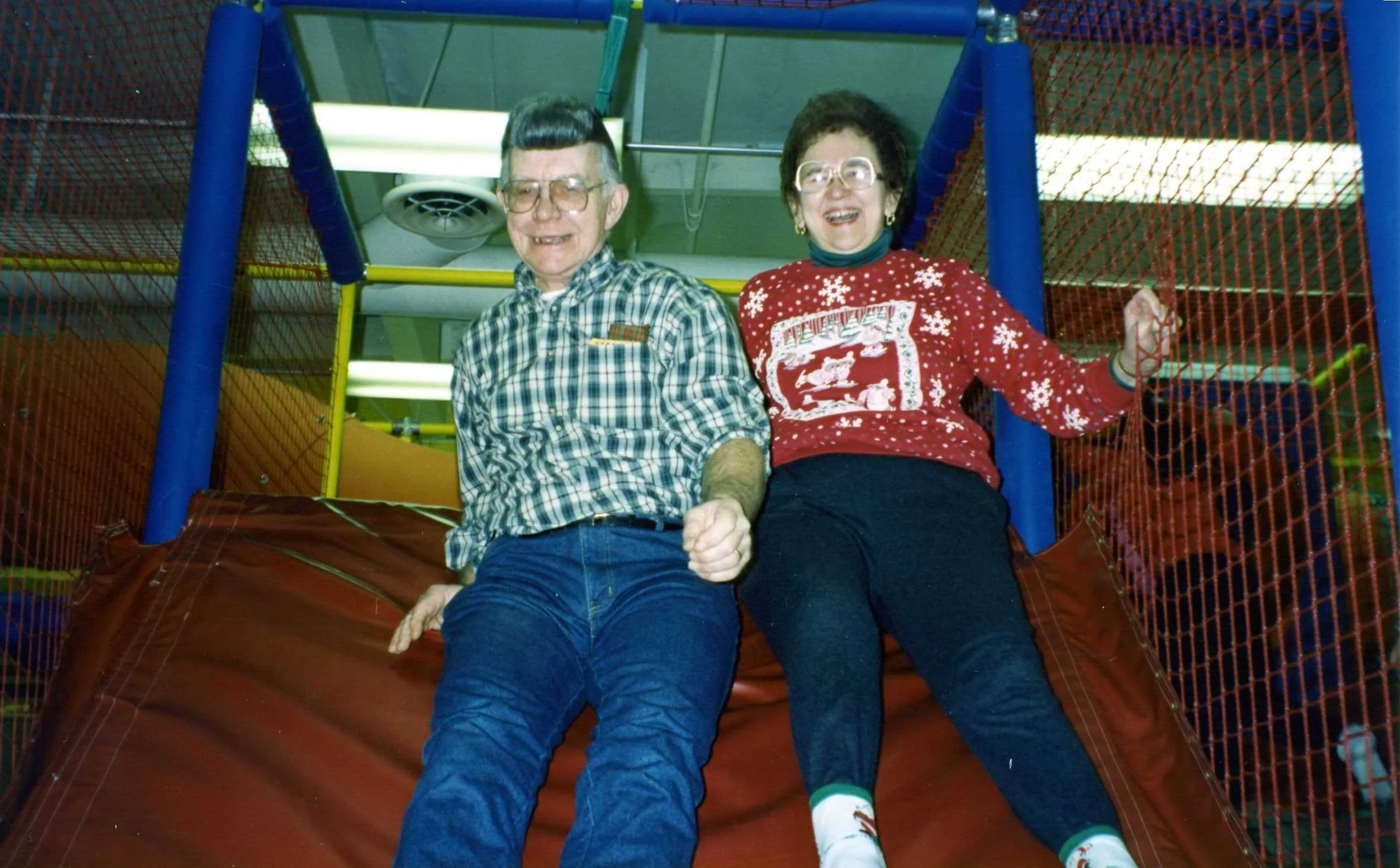
Young children experience the world through the attention of the people they love.
Picture a toddler sliding down a playground slide for the first time. At the bottom, the child immediately turns toward a parent, grandparent, or caregiver. That glance says so much: “Did you see me? Wasn’t that exciting? Are you happy with me?”
A smiling face, a clap, and the words, “You did it! You came all the way down!” turn the moment into shared joy.
When the adult is focused on recording, the child may instead be greeted by a phone held at eye level and the words, “Do it again. I missed it,” or “Look over here at the camera.”
There is nothing wrong with wanting that video. Many children will happily go down the slide ten more times. But it is worth noticing when recording changes the way we participate.
A recording preserves what the moment looked like. Our attention helps shape what the moment felt like.
When Childhood Becomes a Performance
Children today may become accustomed to seeing a phone appear whenever they do something funny, brave, creative, or beautiful. A block tower becomes something to pose beside. A song becomes something to repeat. Splashing in a puddle becomes, “Do it again so I can get a video.”
Sometimes that is joyful. Children may love performing for Grandma or watching a silly video afterward. A photograph can begin a wonderful family story.
But children also need experiences that belong only to the moment: painting just because they enjoy it, running through leaves without stopping for a picture, telling a joke without being asked to repeat it, or singing freely without wondering whether they are being recorded.
The question is not whether photographs and videos are good or bad. The question is whether the camera is capturing childhood—or beginning to direct it.
The Interaction We May Miss
Many moments worth photographing are also moments children want to share with us.
A child sees a butterfly, decorates a cookie, meets a puppy, digs in the garden, or builds a tower. They may look up for our reaction, ask a question, point out a detail, or invite us into their excitement.
When an adult is concentrating on taking a picture or recording a video, the interaction may become more instructional:
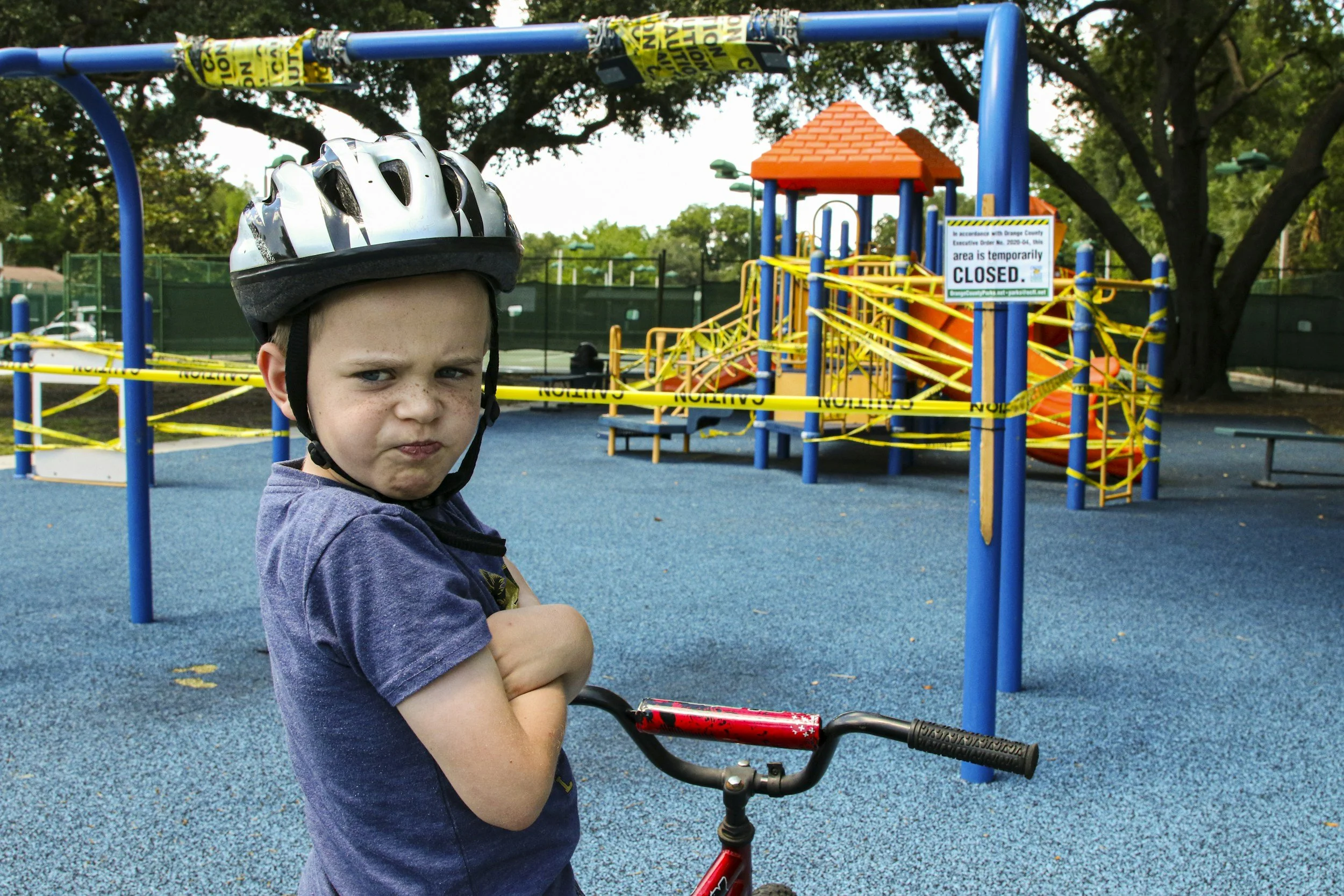
“Stand still.”
“Look at me.”
“Smile.”
“Do it again.”
Those words are not harmful. They are simply different from:
“You found a tiny caterpillar! Where do you think it is going?”
“That frosting is sticky! Which color will you use next?”
“You worked hard on that tower. Tell me how you built it.”
One creates an image. The other creates a shared experience.
Children may not remember every outing or activity, but they do absorb the feeling of being seen, heard, and enjoyed by the people who love them.
The Pressure to Save Everything
Grandparents understand the desire to document childhood. We know how quickly children grow. We understand the longing for one more photograph of a face, a voice, or an ordinary day that passed too quickly.
But perhaps our experience also offers perspective: not every treasured memory must be recorded in order to last.
Some memories stay alive because they become family stories. Some are connected to a song, a recipe, a holiday tradition, a favorite toy, or the phrase, “You used to always…”
And some memories remain vivid because we were fully part of them. No phone in hand. No request to pose. No search for the best angle. We were simply there.
Being present does not mean refusing photographs. It means remembering that a child’s life is not an archive to complete. It is a relationship to share.
Finding a Gentle Balance
Families do not have to choose between recording memories and being present. Photos preserve family history, connect generations, and remind children how deeply they are loved.
The opportunity is balance.
Take the first-day-of-school photo, then put the phone down and ask what feels exciting or scary. Record part of the recital, then watch the rest with your own eyes and your most encouraging smile. Photograph the snowman, then join in finding sticks for the arms. Capture a few seconds of the dance, then clap, laugh, and dance along.
Grandparents can model this balance beautifully. We can request the picture and also ask for the story. We can enjoy the video and ask, “How did you feel when you did that?” We can treasure the keepsake while reminding ourselves that eye contact, shared laughter, and undivided attention matter, too.
There will always be photographs we wish we had taken. There may also be moments we wish we had experienced without looking through a screen.
Take the photo. Save the video. Send it to the grandparents who will treasure it.
Then lower the phone. Look at the child in front of you. Share the laugh. Join the game. Listen to the story.
Children deserve pictures of a childhood filled with love.
Even more, they deserve the feeling of looking up in a joyful moment and finding someone they love fully there.
A Simple Family Challenge
During your next visit, outing, or family gathering, choose one meaningful moment to photograph or record briefly. Then put your phone away and become part of what is happening.
Later, look at the photo together and ask: “What do you remember about this moment?”
A picture can help preserve a memory. Being fully present helps create one.
Call to Action
At CJ Corki, we believe childhood memories are made not only in the pictures we take, but in the moments we truly share. Follow us for more thoughtful ideas to help grandparents and families connect, create meaningful traditions, and make memories that last.