Squirrels, Snacks, and Storytime: Easy Winter Fun With Grandkids
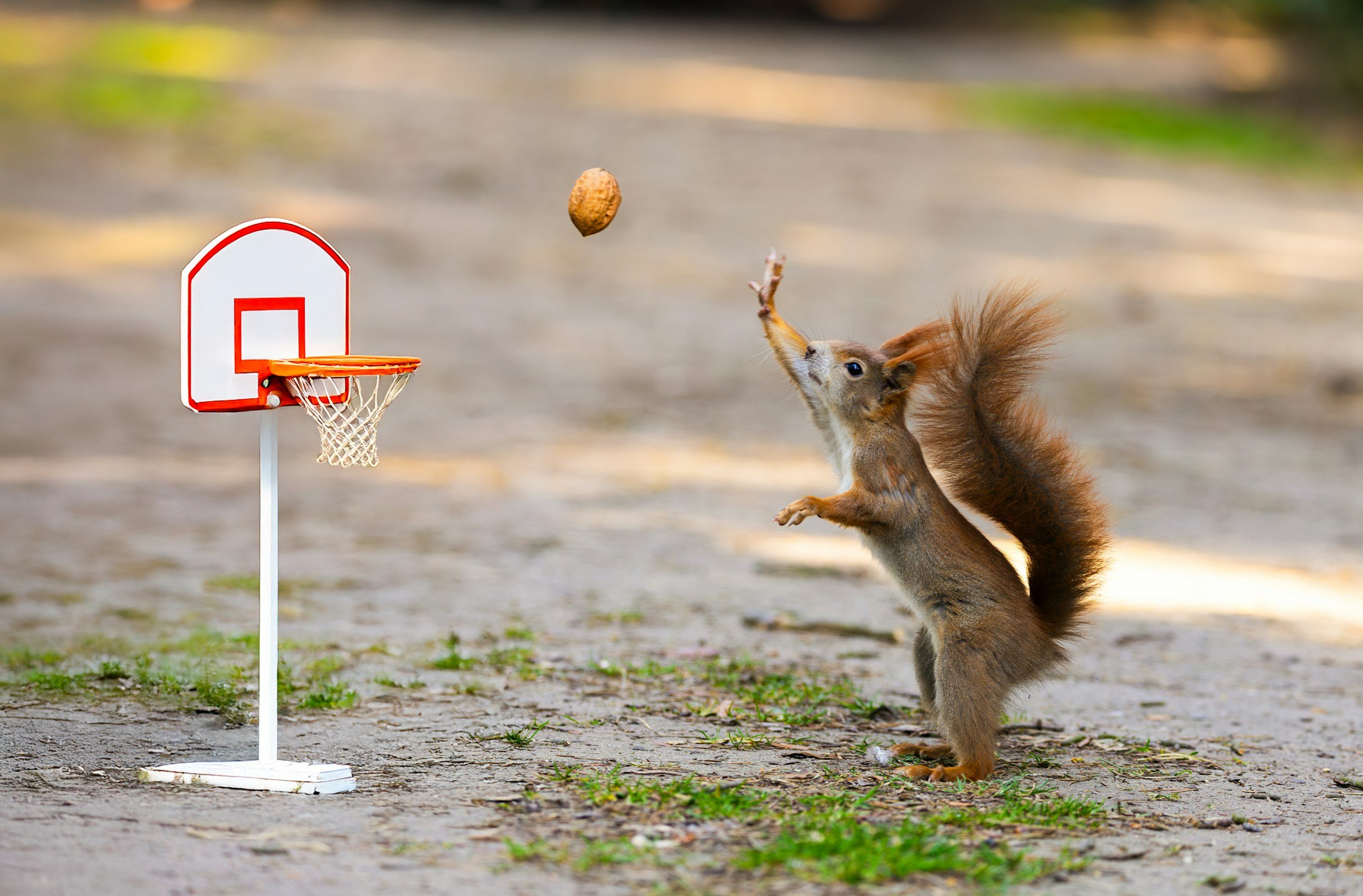
What do you think squirrels, snacks, and storytime have in common?
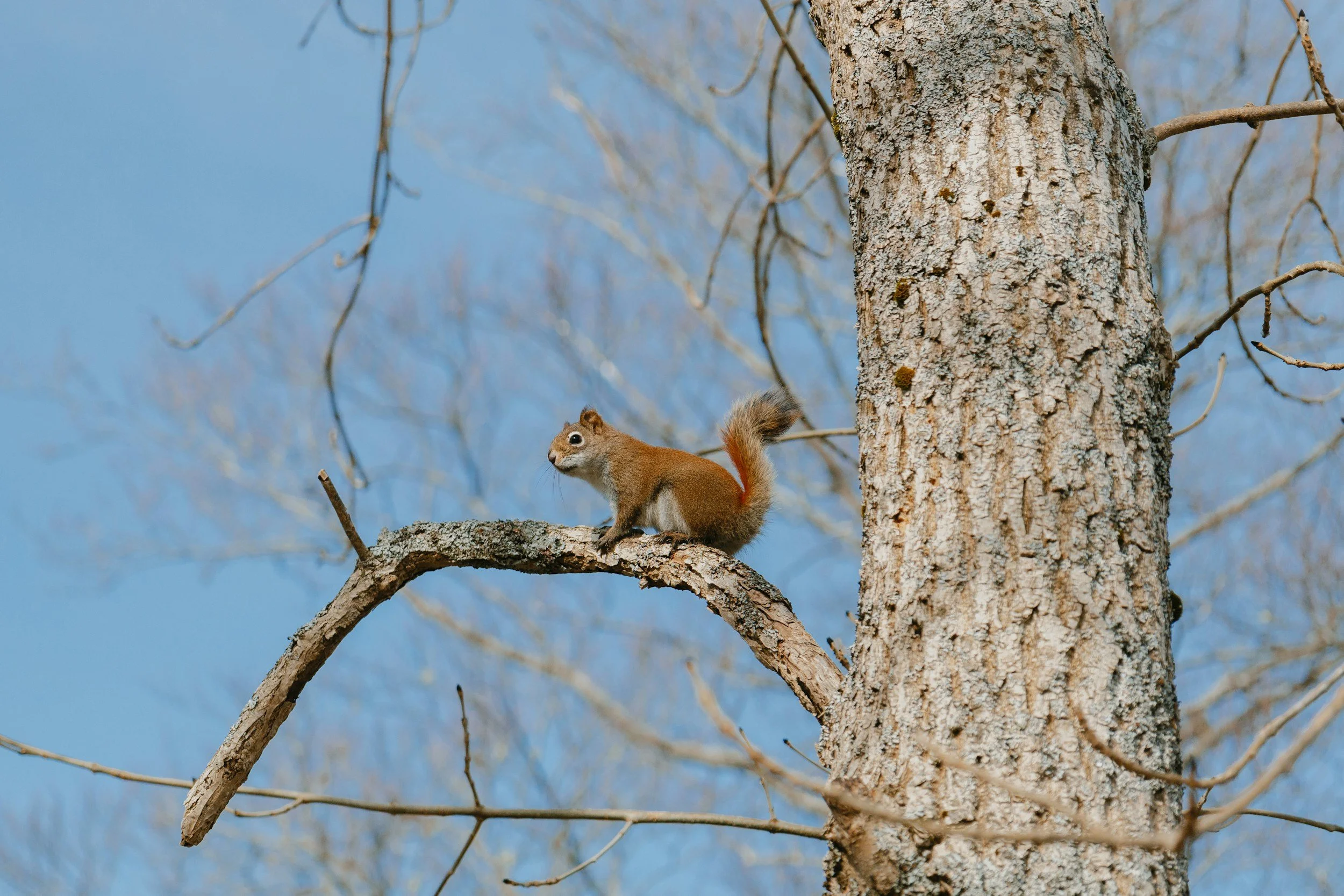
At first glance, I am guessing you are saying "not much." But on a chilly afternoon, by chance, my grandson and I looked out the front window and saw a squirrel racing up the trunk of a barren oak tree, cheeks full, stashing its winter goodies in a hidden nook. Right there, with a busy squirrel, a simple snack in our hands, and a story waiting to be told, ordinary time turned into something unforgettable.
Squirrels are natural story starters. They are easy to spot in most neighborhoods or parks, they move in quick bursts that catch a child’s eye, and they always seem busy enough to make kids ask, “What is that squirrel doing?” For young children, especially ages three to seven, stories do not always have to begin with a book. They can begin with a single question and a real-life moment. When you ask something like “Where do you think that squirrel sleeps at night?” or “Do you think that squirrel has friends?” you invite your grandchild to imagine, explain, and wonder. Every answer is the beginning of a story, and all of those little stories build imagination and confidence.
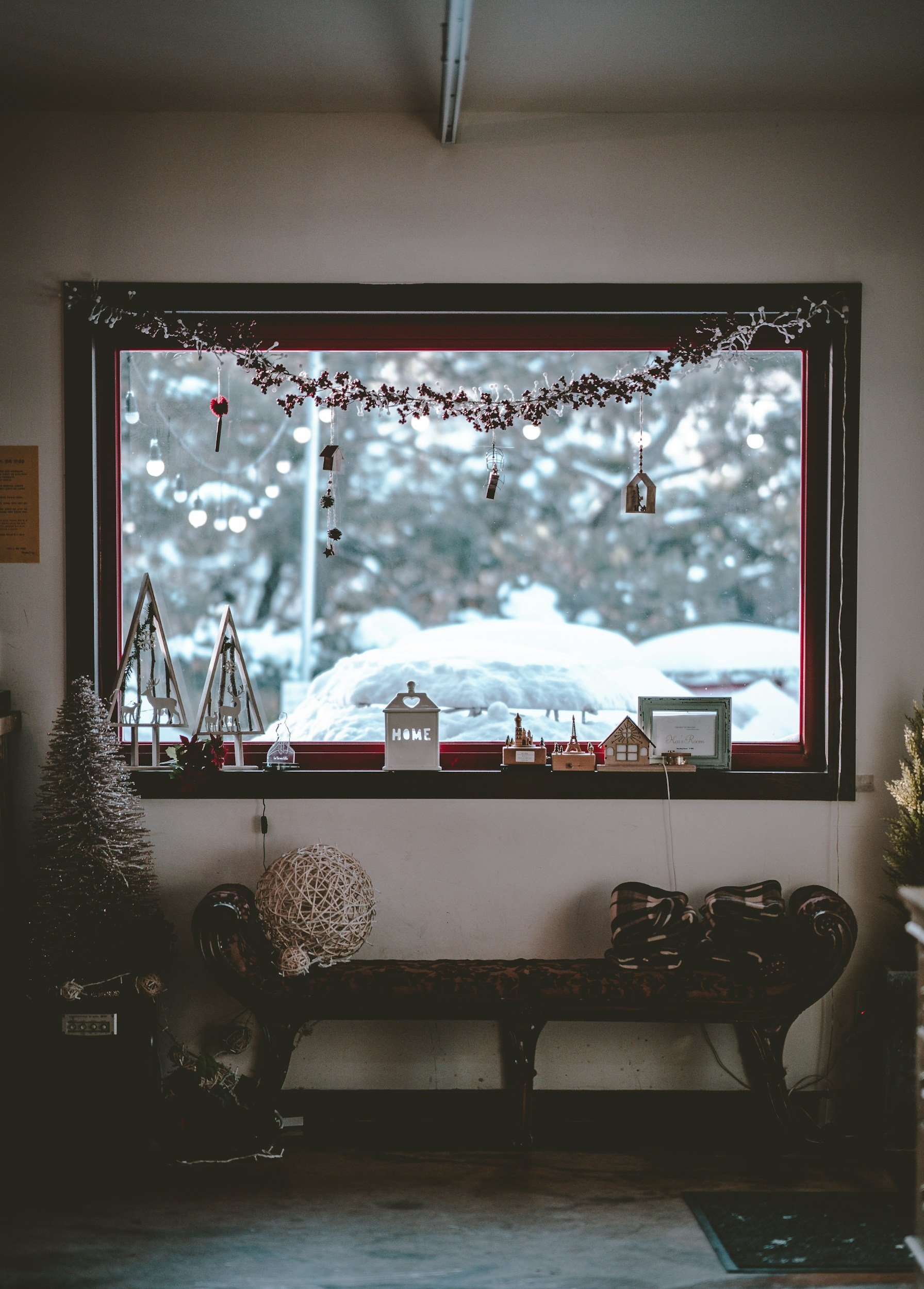
So, now what? My plan began with setting up a “squirrel watching station.” We didn’t need a special space, only a window where we could see outside, a comfortable chair, a blanket, a simple snack, and a few minutes where my attention belonged only to my grandson. As “they” say, timing is everything, and before you knew, it became a mini event. We even gave it a name, “Squirrel Watch Time.” I know that there are probably fancier names out there, but the enthusiasm behind the choice made it stick. The next step was to invite others. Ellie the elephant, Charlie the chimpanzee, and Dolly became our assistants. I found some scrap paper nearby, and we were ready to draw or take “squirrel notes.” The simple act of naming it and treating it like something special suddenly showed my grandson that this time together matters.
Snacks are the second part of this trio, and they are more than just something to nibble while we talked. We connected our snacks to the squirrel’s world and turned the moment into playful learning. We put our heads together to decide which snacks we should have while the squirrels outside enjoy theirs. We talked about granola bars cut into small pieces, apple slices with a bit of peanut or sunflower butter, or even a small trail mix. As we ate, we played with our food…that’s ok, I’m a grandma. We sorted the snack pieces by type, counted how many there are, and even talked about which ones a squirrel might like best. I asked questions like, “If the squirrel stole two of your nut pieces, how many would be left?” or “Do you think squirrels prefer crunchy or chewy snacks?” It made sense to add tiny bits of math and comparison without making it feel like a lesson.
Once we watched, wondered, and snacked, we were ready to shape a story together.
If you don’t feel like a natural storyteller, a simple “story recipe” helps. Start by naming your squirrel. Let your grandchild decide if it is called Sammy, Nutmeg, Zoomer, Snowflake, or something completely made up. Then give the squirrel a mission. Maybe it needs to find the last acorn before the heavy snow, build the comfiest nest in the tree, or help a friend who has lost their snack stash. Next, introduce a problem. The acorns might be buried too deep, a big wind might blow all the leaves away, or another animal might take the squirrel’s snack. Add a helper, such as another squirrel, a bird, a bunny, or even your grandchild, appearing inside the story as a friend. Finally, create a happy ending, perhaps by sharing snacks and finding a new hiding place. We took turns adding lines. An easy start might begin with “Once upon a chilly afternoon, a squirrel named Nutmeg had a problem,” then ask, “What was the problem?” Your grandchild fills in a detail, you add the next sentence, and before long, you have built an entire story together.
This is the perfect moment to bring in a book for Storytime. Choose any picture book that has animals, seasons, weather, or simply a warm, cozy feeling. Use our SPARK approach to make the reading richer. First, see the cover together and ask what your grandchild notices. Second, point out details in the pictures while you read and connect them back to what you saw outside. Third, ask one or two curious questions about what might happen next or how the character feels. Fourth, after you finish, review what happened by talking about the beginning, middle, and end. Finally, share one simple “did you know” fact, such as the idea that squirrels hide hundreds of nuts and only find some of them later, and that is one way new trees grow. In this way, you connect imagination, observation, and real-world knowledge.
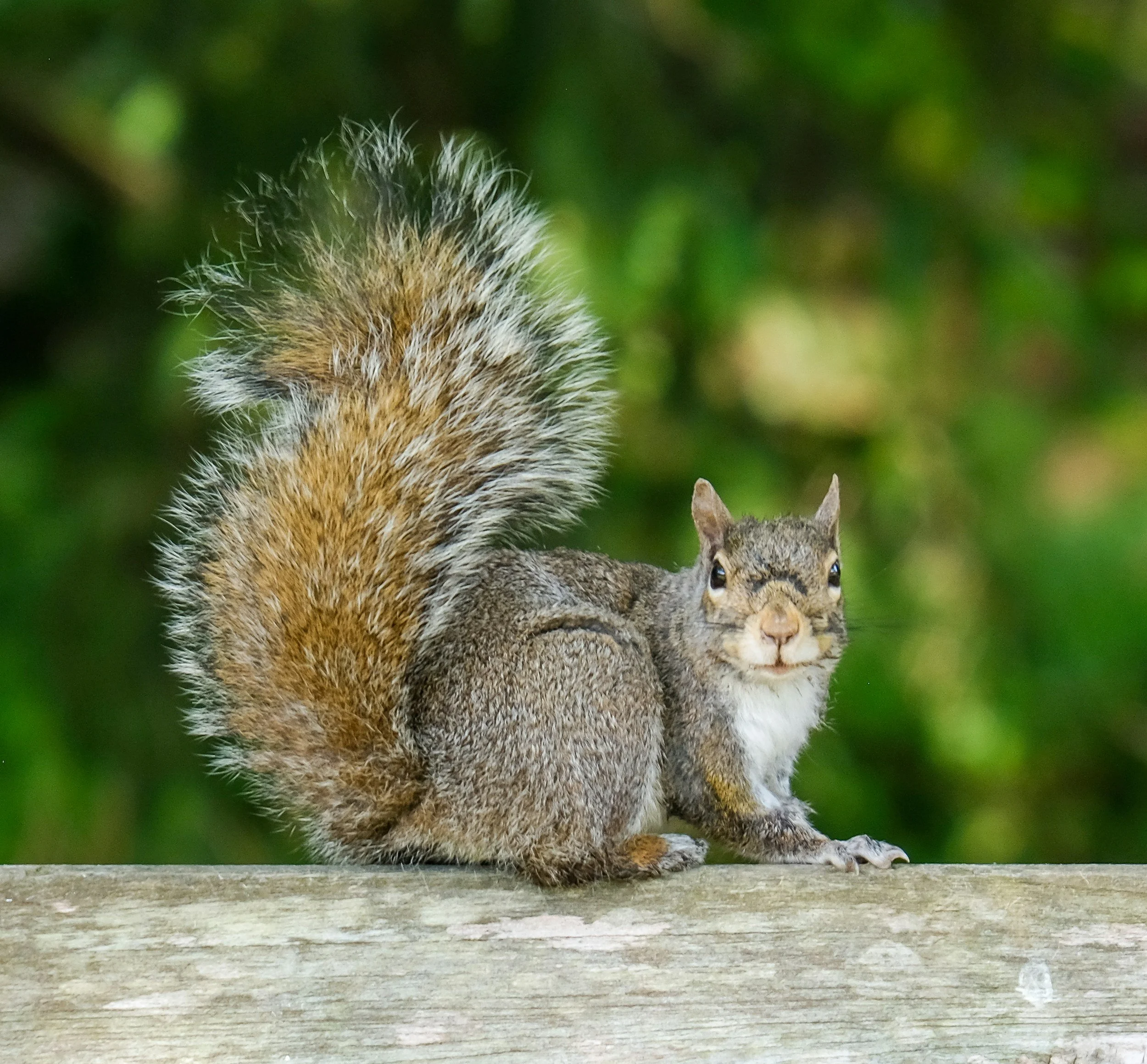
You can also capture this memory too. Invite your grandchild to draw the squirrel from your story, even if the drawing is mostly circles and lines. Help them label the squirrel with its name. Write down a single sentence together, such as “Today we watched Snowflake the squirrel hunt for snacks in the cold.” If you like technology, record a short voice memo where you or your grandchild retells the story. Save it with a name and date. These tiny recordings will become treasures later, proof of the time you spent together creating something out of almost nothing.
For long-distance grandparents, like me, this became a weekly date. We chose a regular time and gave it a playful name like Squirrel Saturday. Each of us brings a snack to the call, we both look out our windows for a few minutes, we tell or continue a squirrel story, and we close with a short book, or even a poem. A special goodbye ritual, such as a silly wave or a “see you next story” phrase, helps anchor the experience. It does not need to be long. Ten to fifteen minutes of focused time, repeated regularly, can become a rhythm my grandkid relies on.
The next step is simply to try it once this week. Do not wait for the perfect book, the perfect window view, or the perfect speech. All you need is a child, a moment, something simple to eat, and one curious squirrel, real or imagined. Watch out the window together, share a snack, make up one short squirrel story, and read a page or two from a book you have on hand. Then ask your grandchild, “What should our squirrel do next time?” That question tells them that you plan to continue the story and that their ideas matter. More than anything, it tells them that your time together is a story worth continuing, one squirrel, one snack, and one story time at a time.