“No Soup For YOU!”

You may remember the famous Seinfeld line, ‘No soup for you!’ Today, people use it jokingly when something expected is suddenly withheld or taken back. The word "soup" may be replaced with the object at hand; the reference to the show can still be unmistakably recognized if the speaker uses the correct tone of voice. The episode depicts a soup restaurant with stringent rules, resulting in customers being denied their soup orders with the line "No soup for you." This episode was inspired by a Manhattan soup restaurant's chef Ali Yeganeh.
We have come a long way since 1995, when this episode aired, or have we? Since Adam and Eve, denial has existed, but that is a topic for another blog. Do you want to get your children and grandchildren to listen without nagging, yelling, or reprimanding? Instead of the "no soup for you" approach, threatening time-outs, counting to three, or denying them a beloved toy or snack time treat, use a positive parenting approach to correct your child's behavior. This approach will, in time, help with the childish misbehavior that adults dread.
Positive parenting experts worldwide can agree on this: there is always something that motivates a child's harmful or disruptive behavior. There's always a reason for the conduct. As a parent or grandparent, your challenge is figuring out what's underneath that frustrating behavior. Once you identify the root cause of the issue, you can be more proactive to prevent outbursts in the first place. Children need positive attention. If they do not receive positive attention from family, they may choose to seek out negative attention. This reaction is due to the fact that negative attention is still attention, and for a child, any attention is better than being ignored. Remember to communicate with your child.
Children like hugs, cuddles, and holding hands. It makes them feel secure, protected, and loved. Physical attention sends a message to your child that you are present and that you love them through physical awareness. So please give them the nurturing they deserve.
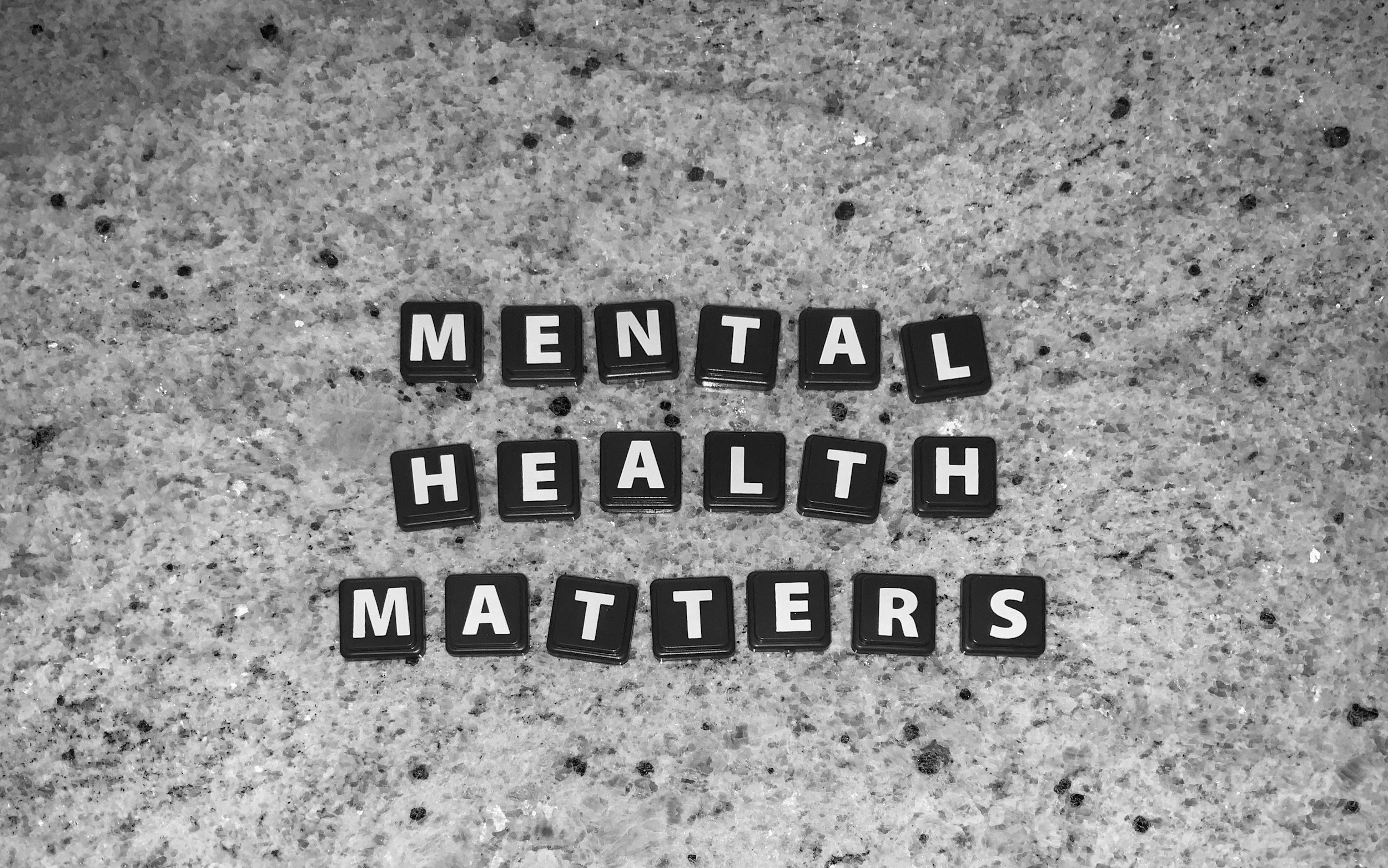
May is Mental Health Awareness Month, including our psychological, emotional, and social well-being. It affects how we think, feel, and act. It also helps determine how we handle stress, make choices, and relate to others. Mental health is important at every stage of life, from childhood and adolescence through adulthood. If your child is having problems with anxiety, there's plenty you can do to help. Above all, it's essential to talk to your child about their stress or anxiety and give them solutions to deal with those issues.
As a child, my parents never discussed the topics mentioned above, and I wish they had discussed them to my sisters and me. They assumed we were five perfect children, which I'm sure we were not. I was quiet in grade school. When I was in first grade, I talked out of turn and was turned over the nun's knee, and she spanked me in front of the class. Did I ever say anything else out loud throughout my school years? No, that was not the positive response I needed. However, on a more positive note, my grandmother would give us 25 cents to sing a silly Polish song, and I would always sing it straight through and show up my cousins.
Even after visiting Poland several times, I only recently found out that almost every Polish meal starts with soup.
So my new saying is "Go Get Soup for YOU."