Junior Achievement: Fostering Human Capital for Business Success

The 1960s was a decade defined by a cultural revolution, and against this backdrop, Junior Achievement (J.A.) emerged as a key player in nurturing the entrepreneurial spirit among the youth. This exploration delves into the distinctive intersection of human capital development and entrepreneurship within Junior Achievement during the psychedelic 1960s. It illuminates the organization's influence in molding not only business acumen but also fostering the creative and innovative mindset of young individuals. Founded in 1919, Junior Achievement set out to inspire and equip young minds with the skills needed for success in the business world. By connecting students with business professionals, the organization created a unique ecosystem for hands-on experience in entrepreneurship, leadership, and financial literacy. The 1960s witnessed a surge in participation, reflecting a growing interest in leveraging human capital as a driving force behind business innovation.
Amid societal upheaval, the youth of the 1960s sought avenues for self-expression and individuality. Strikingly, Junior Achievement participants embraced this cultural shift, channeling their creative energy into unconventional business ventures. The unexpected best-seller at J.A. trade fairs? Psychedelic flowers.
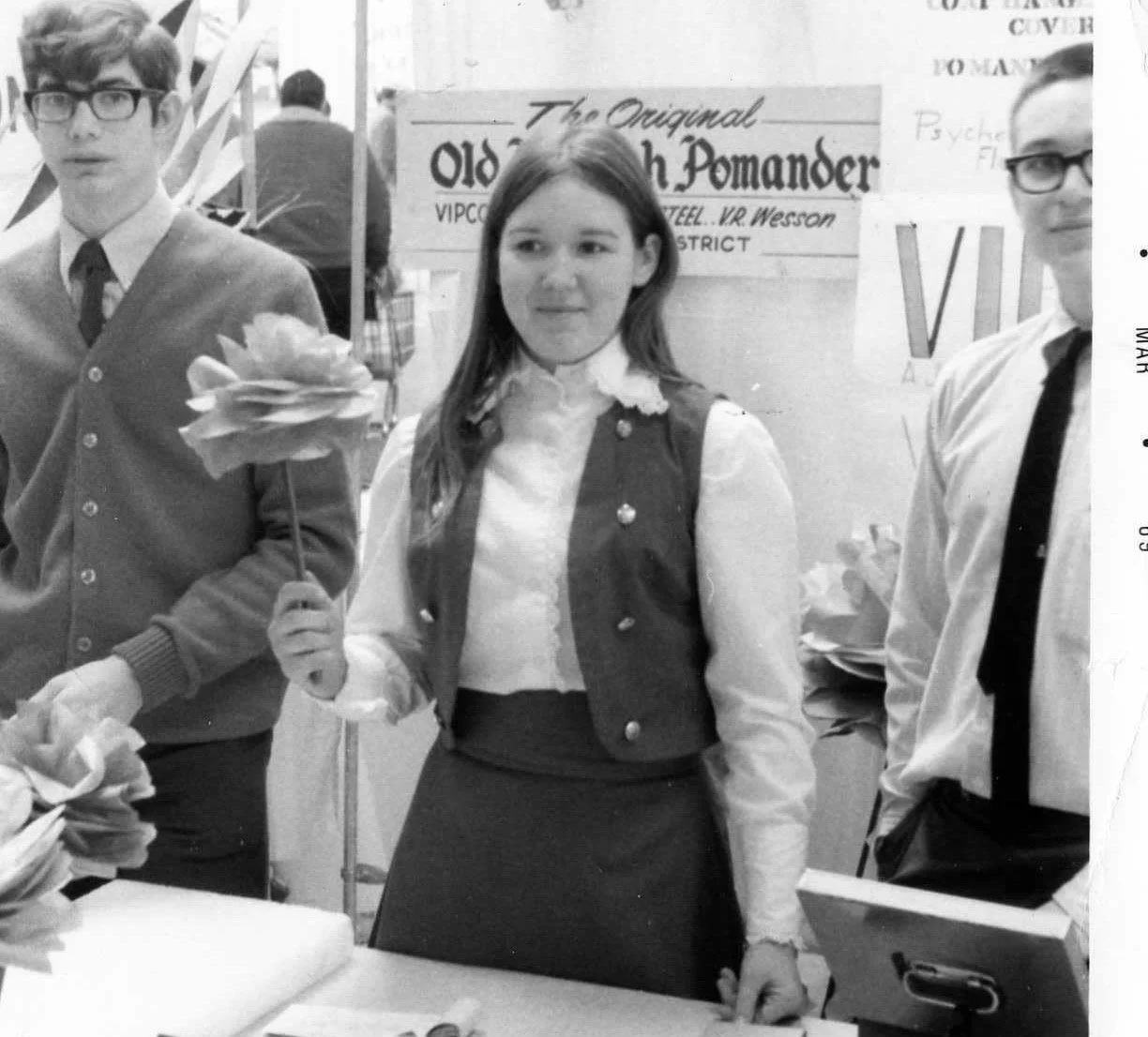
Can you imagine that paper flowers took the top spot as the best-selling item at the J.A. Trade Fair one year? Twenty-five companies, all vying for attention in the American tradition, competed in this unexpected trend. This occurrence underscored the ability of young entrepreneurs to grasp and capitalize on emerging trends, demonstrating the potential of human capital when combined with a forward-thinking mindset. J.A. not only became a blooming ground for my three older sisters, but as a family of five girls, we collaborated to manufacture a diverse range of products in an assembly-line fashion.
At the heart of the Junior Achievement experience in the 1960s was the organization's creed – a set of guiding principles that emphasized not only business success but also the development of robust human capital. The creed stressed the importance of honesty, integrity, and hard work, becoming a foundation for the unique ventures undertaken by these budding entrepreneurs.
The Creed encouraged participants to "think creatively, to be resourceful, to spot opportunities, and to solve problems." This human-centric approach aligned seamlessly with the innovative spirit of the 1960s, empowering young minds to view business through the lens of human capital, valuing creativity and adaptability as crucial components of success.

The 1960s marked a dynamic period for Junior Achievement, where the organization not only adapted to cultural shifts but also contributed to the development of human capital in unprecedented ways. The unexpected success of psychedelic flowers at J.A. trade fairs reflects not just entrepreneurial flair but also the ability of young individuals to harness their human capital in unique and unexpected directions.
As we reflect on the unconventional ventures of the psychedelic 1960s, Junior Achievement's enduring legacy lies not only in fostering business leaders but also in shaping individuals with a keen understanding of human capital's role in driving innovation. The organization's commitment to the timeless principles of the Creed continues to inspire generations of entrepreneurs to recognize and capitalize on the immense potential within themselves and others. Are you a product of the 60’s? Or an entrepreneur ready to bloom?