I Like Bike: Changing the Paradigm of Giving
How do you give back? It isn't just about money. Although it takes money to buy things to give back, it makes a more significant impact by giving a physical item rather than just cash as an example. There are seven ways to live generously: Thoughts, Words, Influence, Time, Attention, Belongings, and Money. How can you incorporate giving into everyday living? Start by sharing the stories, “I like _____.”
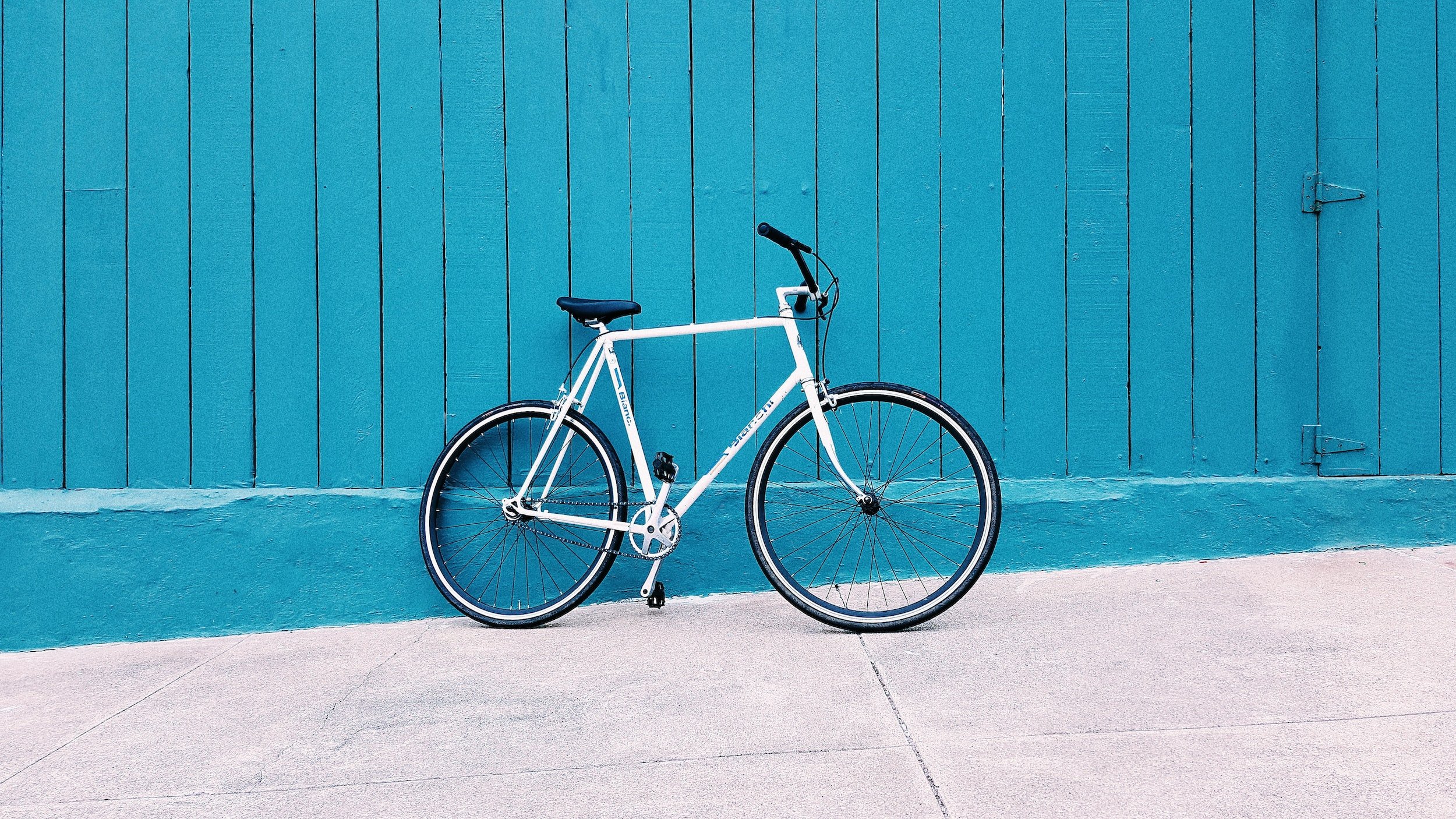
An Immigrant Family was Robbed! It didn’t make the headlines, but it was a severe blow to this family since they lost their bike used for transportation to work. After reading their story in the newspaper, some good Samaritans decided to make a difference. Although they were strangers, this young family purchased new bikes to give to them. The head of the immigrant household did not speak English, but when his son translated that the bike was for him, he repeatedly said with a grin, I like bike, I like bike. Not asking for anything in return, the givers felt a “helper high” from the experience. However, the real lesson is the shift in thinking about giving back.
Thoughts: Many times, we think the worse of people. If someone shows up late and we believe they are inconsiderate of other people's time, showing passive-aggressive behavior perhaps. Or we think they are lazy, unorganized, or even rude. But having generosity of thoughts gives that person the benefit of the doubt. They might have run into traffic. They could have had to deal with screaming children or a dog that wouldn't listen to come inside. I am someone, who hates to be late, and I was a repeat offender of tardiness when my kids were in elementary school. Yes, I was that late parent who rushed into the after-school care to pick up my kids after hours. However, the teachers showed empathy to this stressed-out working mom. I wasn’t judged; I was given the gift of compassion. Give the gift of encouraging thoughts to parents.
Words: Sticks and stones may break my bones, but words can never hurt me is a false narrative. Words mean something. People notice when you criticize, demoralize, or even make a filipin passing remark, especially children. Early in my kid’s life, I would remark on my kid's lack of basketball ability. Not because they played, but instead because they were the shortest in their class. It was never directed to them but fellow parents. Never in my wildest dreams did I think they overheard me. Of course, they never played basketball for that reason. They would probably pick up a basketball to play if they only heard love and support, even from the sidelines. Give the gift of positive words to children.
Influence: Whom do you know? Help people with your network. Do the children need a tutor, a dance teacher, or a trainer? Or maybe the busy mom needs to have a free day by using a babysitter, house cleaner, or driver. If you know someone that can help, recommendations are essential. I remember when we moved to Michigan, looking for a pediatric doctor. I would ask anyone with kids whom they would recommend. Don't take this type of name drop lightly. It is truly a part of being generous.
Time: Who has extra time? The answer is nobody. The gift of time is one of the most coveted. Most people will value the contribution of time over money. Visiting grandparents in the nursing home might not be the most favorite thing for grandchildren, but it will be the most remembered. If done right, it will be a win-win for the grandchild, parent, and grandparent. I remember visiting my grandmother in a nursing home in high school. It was horrible. The place smelled of urine, and the atmosphere was depressing. Not a teenager thing. But reflecting on those times, the visits brought joy to my mom and grandmother. The gift of time is priceless.
Attention: If you cannot be anything else, be present. Today everyone has their head down on their cell phones. It is a distraction from day-to-day enjoyment of life. Who are they with, where are they visiting, and what do they eat are typical posts on social media. What about the person next to you, especially the young children? Don't they deserve the attention of a parent or grandparent? Children regularly ask to "look at me." Make sure you do. If you don't, you could miss their big moment with their first steps, first words, or first sporting event score. Be giving of your attention.
Belongings: You might think it is just stuff, but someone’s junk is someone else’s treasure. Recently we had a guest stay at our historic property, Belle-Hampton. She spent the summers here growing up. She reminisced on the beautiful family dinners in the dining room with the blue and white China. She secretly thought about snatching a plate as a remembrance. After several discussions, I asked her if she would like one as a souvenir. She cried. The meaningfulness of having an item from her childhood was touching. A simple gift of belongings can make a difference.
Money: Yes, a financial contribution is still significant. It keeps the lights on. When we lived in Nebraska, we were on the Kearney Area Children's Museum board. My husband was the treasurer. They were so poorly run that the electric company was scheduled to turn off the lights. Paying your bills was the answer. But the museum's finances were operating in the negative. We spent it forward and paid the bill. For us to get income, we needed lights. Although there are many ways to contribute, sometimes money is the only answer.
How can you cultivate generosity in your everyday life? Think about ways to pay it forward using these buckets of ways to give back. What can you do today that will make a difference? Join the challenge. As a grandparent, ask your grandchild what is essential to them. Whatever their interest, the zoo, or the environment, work with them on contributing in their name. Or create a generosity jar. Have them write down how someone they saw is being generous; make sure to note the category of giving. Make the decision today to “I Like Giving.” Be the difference.