How Can Anyone Fail Kindergarten?
When was the first time you failed? Was it an easy fix, or did you need intervention??
As "they" say, learning begins at birth. But I will tell you that my education moved at warp speed since I was a close second to my older sister, who had a mere 11 months on me.
We made the most of our early learning moments, but they were as different as night and day. I had a fragile beginning as I followed behind someone who could quickly comprehend even the vaguest concepts, had the agility of a ninja, and the mental prowess that challenged her peers…and me. Don't feel too bad for me. After all, I, too, had honed a few skills of my own. I could read a room like nobody's business. I was the peacemaker and the middle child for the first 6 years of my life. Not necessarily skills to set me up in the academic realm but societally appropriate.
You might think this blog is about sibling dynamics and how it influences our personal success, but that is for a later blog. Instead, this blog is about failing.
First, let's define "fail." Merriam Webster says failing is "to be unsuccessful, to fall short, to miss performing the expected behavior."
The good news is that everyone has failed and will fail again. We sometimes forget that all successful people have failed, but they did not stop after their failures. The better news is that I am following in the footsteps of great people who have failed. I too found a way to survive.
So, as we start packing the backpacks and lunchboxes it felt appropriate to talk about our early academic years. Let's get back to kindergarten. Before starting school, my parents worked on the fundamentals: can I identify letters, hold a crayon correctly, and successfully go to the bathroom by myself? Check, check and check.
Of course, my advanced skills included using scissors correctly and I even knew not to run with them, a feat that not everyone has mastered. I was a superstar at listening without interrupting and playing appropriately with others. Superstar check.
Other than the abilities above, there was never any Montessori learning, STEM techniques, or identifying learning challenges as part of parental thought.
I didn't know I had learning difficulties. Instead, I often heard how quick, how bright and how my older sister was going to be a doctor, so I personally compared myself to my more brilliant older sibling. I felt dumb in comparison. It was never said to me, and she never thought it, but perception is reality, and that was my reality at the early age of 4.
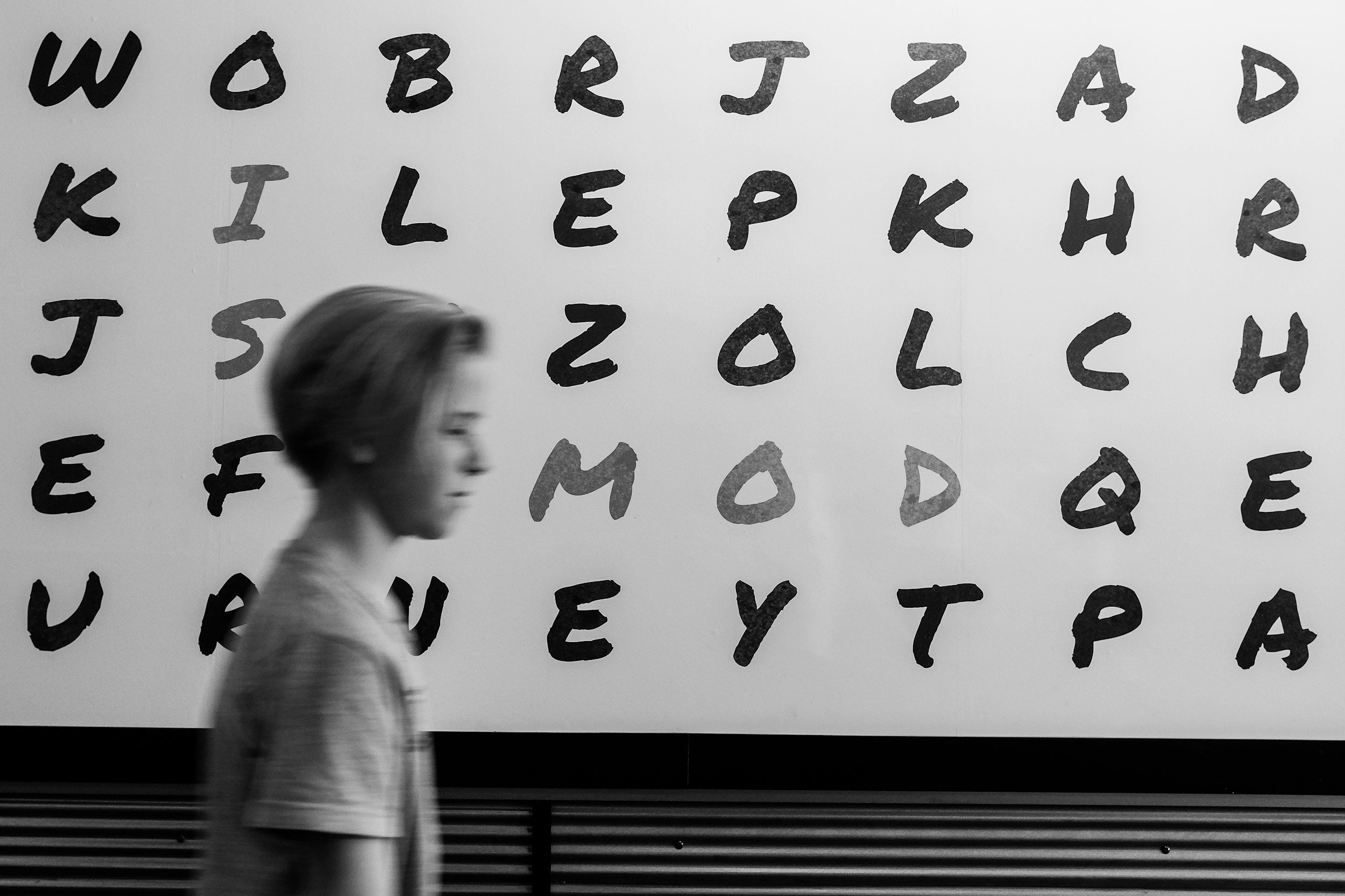
I observed our differences and wanted to be "smart" like her, but the letters were always jumbled, and I didn't know why. Did you know that 1 in 5 people have dyslexia?
Research has shown that calling things by the wrong name is one of the many signs. I couldn't figure out why I had to go through the sister's lists… ro, car, mar, char, mad before finally landing on the correct name of the person I was referring to. Still to this day, I know which sister I am talking to but must go through the library of words before I land on the right one.
Did you know that 35% of people with dyslexia don't graduate from high school or that almost 70% of juvenile delinquents have dyslexia? Of course, low self-esteem and depression are unintended consequences. Struggling in Kindergarten is a red flag that can’t be ignored.
Nowadays, learning is not just "one size fits all." There is intervention and help. Parents can request schools conduct an evaluation of their child. Since you don't grow out of dyslexia, discussions with teachers and family is a constant and an essential role as parents.
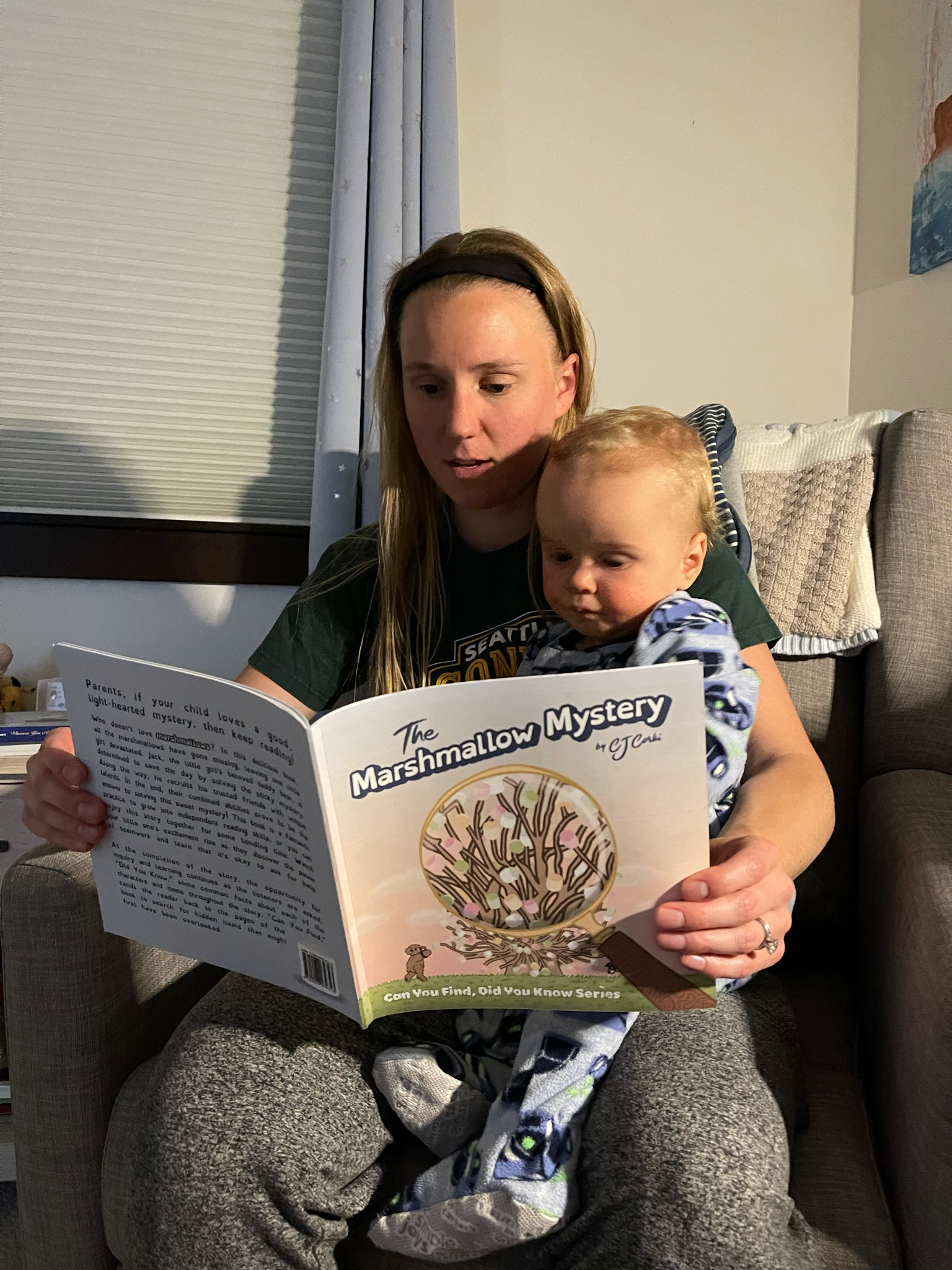
So, as grandparents, what can you do? Read, read, and read some more to your grandkids. If you notice some signs of dyslexia, work with your adult kids on the action you can take to reinforce the superpower they possess. Never focus on how academically different they are; tell them they are not dumb because they don't get it. Remember, they will "get it," just another way. One size doesn't fit all. Every child has their own set of strengths and weaknesses.
Also, find books that are written in an open dyslexic font. At CJ Corki Publishing, we are so passionate about enhancing learning that every children's book we write uses this font choice. Remember, you never grow out of being dyslexic, so dyslexic adults find it useful too.
Being ready for kindergarten means that we now know not only to provide pre-school training in the fundamentals but know their strengths and weaknesses of our little tykes and partner with the school to bring out their best.
Remember, "the ones who are crazy enough to think that they can change the world are the ones who do," as profoundly stated by a fellow dyslexic, Steve Jobs.
We’d love to know how you handle learning differences in your world.