From Mud Pies to Sanitizer: The Extinction of Messy Adventures

Introduction
Dinosaurs aren’t the only thing that has vanished from our world. While it wasn't a colossal asteroid that caused this extinction, the COVID pandemic's impact has been just as profound. Enter the "Pandemic Generation," a cohort of children now labeled as being "Experience Extinct." This phenomenon has led to an era where the exuberant messiness of childhood is replaced by constant hand-washing and a prevailing aversion to dirty adventures.
Mud pies were a joy for my children, who were obsessed with tactile experiences. They loved feeling the ooze of mud between their fingers as they created their masterpieces. Their enjoyment wasn’t limited to just their hands; squishing the mud between their toes and rolling in it also brought them immense joy during their younger years. There was never a mud puddle they didn’t want to jump in. So, why have messy adventures become a rarity in today’s world? The likely answer is concerns about germs.

Tyler, Peyton, and Mason cleaning their feet
The Golden Age of Messy Adventures
I must admit, I wasn't particularly the type of child who enjoyed getting dirty. My mother made sure our clothes stayed clean to avoid the burden of extra laundry for five children. Nonetheless, she allowed us to play freely outside, where we would visit fairylands or where I would crawl in the grass pretending to be an "ishcabibal," a made-up character—a tale for another day. Hand washing was reserved for after bathroom visits and perhaps before meals if we were visibly dirty.
But messy play holds immense value in a child's development, offering more than just a fun-filled afternoon. It engages the senses, sparks creativity, and fosters problem-solving skills in ways that structured activities often cannot. Through tactile experiences like squishing mud, molding clay, or splashing water, children learn to explore, experiment, and make sense of the world around them. Messy play also encourages risk-taking and resilience as kids learn to navigate challenges and embrace imperfection. Beyond cognitive growth, it supports emotional expression and collaboration, building social bonds and empathy. Importantly, messy play connects children to nature, grounding them in the environment and nurturing a lifelong sense of wonder and curiosity.
The Rise of Sanitized Childhoods
Although hand sanitizer has been around since 1966, initially used primarily in hospitals, it was not a common household item during my childhood. It wasn't until the 1990s that hand sanitizer gained mainstream popularity among the general public. Parents began to carry small bottles in their bags, ready to combat germs at a moment's notice. As children transitioned from the muddy soccer field to the after-game snack, the convenience of hand sanitizer became apparent. Water for washing hands wasn’t always available, making sanitizer the go-to solution for quick and effective cleanliness.
Its popularity also coincided with the rise of “helicopter parenting,” a trend influenced by societal shifts toward heightened cleanliness and safety concerns. With both parents working, early daycare became common, often serving as a breeding ground for illnesses. Most parents understood it was a natural part of childhood that would help build their children's immune systems. However, everything changed in 2020 with the arrival of COVID-19.
Societal Shifts Driving Cleanliness
Hand sanitizers became a rare commodity in 2020 as they vanished from store shelves. While toilet paper, bleach, and paper towels were temporarily unavailable, hand sanitizer was nowhere to be found. Masks, social distancing, and the elusive hand sanitizer quickly became the new social norms. Children born during this time and the parents raising them were accustomed to this reality. In fact, that is all they knew.
Schools regularly bleached the tables, chairs, and toys daily. Even libraries started a new process to cleanse every book that was returned. As kids returned from daycare or school, they would be stripped down to their diapers or underwear only to be bathed to avoid any further contamination.
This situation resulted in increased screen time, as it was simpler than facilitating playdates with other children. Grandparents, in particular, were often scrutinized since they were at a higher risk. Kisses and hugs were restricted to only after proper testing or a quarantine period following exposure to others. As a result, most family interactions took place solely through virtual calls
The Cost of Eliminating Messy Play
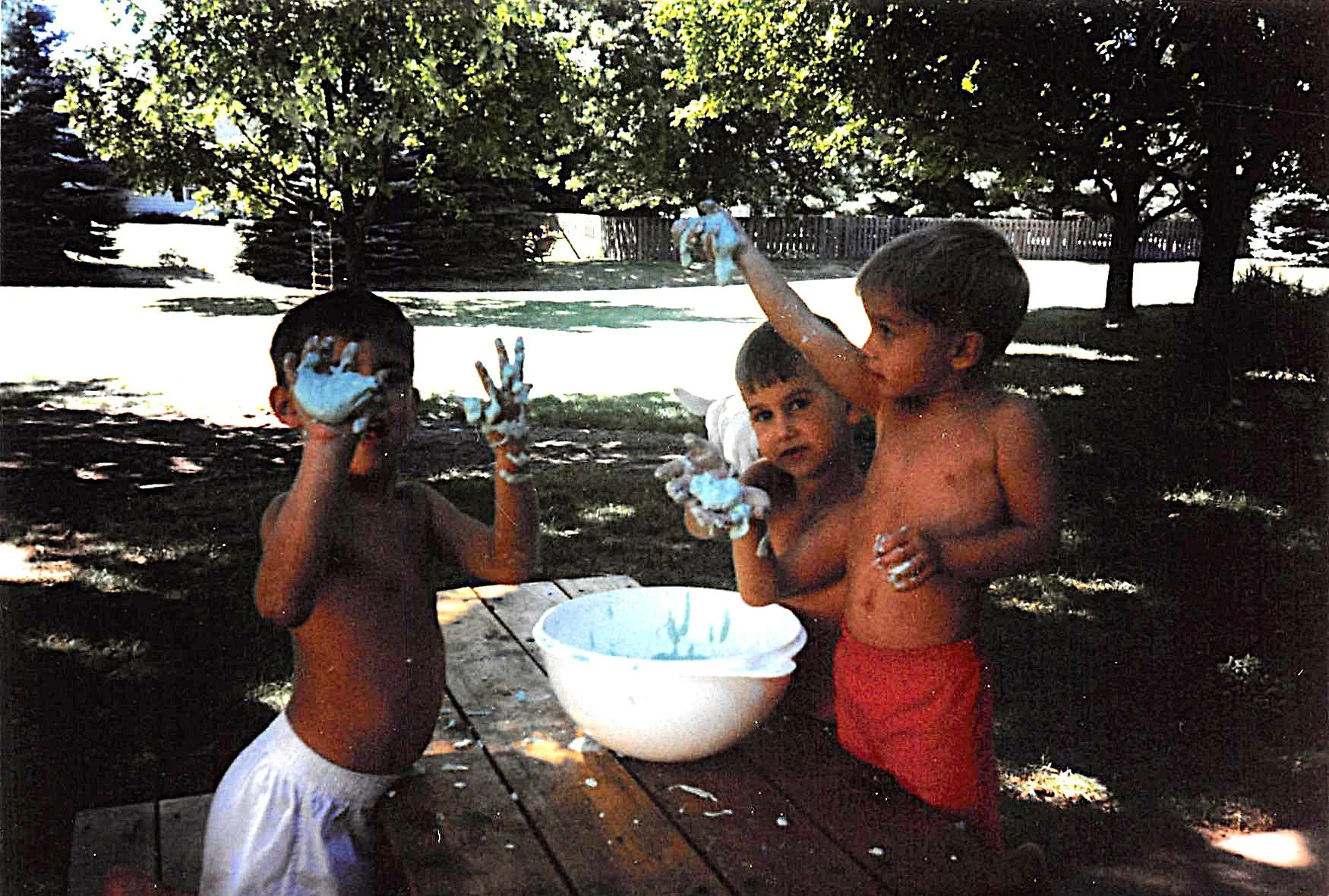
Tyler, Peyton, and Mason with non-Newtonian
In addition to the limited interaction with grandparents and friends, there are several developmental drawbacks associated with restricting messy play experiences. Engaging in activities like making mud pies, exploring finger paint, or playing with non-Newtonian fluids (a mixture of cornstarch and water) can significantly enhance a child's development. These hands-on experiences provide a rich sensory landscape that stimulates their tactile curiosity. The cool, squishy texture of mud and the vibrant colors of paint allow children to experiment freely, encouraging imaginative play and creative expression. As they manipulate these materials, they also develop critical motor skills and learn about cause and effect, all while having fun. The freedom to explore and create messily fosters not just creativity but also confidence in their ability to experiment and discover the world around them.
This direct sensory engagement stimulates the brain’s creative centers, encouraging problem-solving, innovation, and the development of original ideas. Additionally, tactile play fosters an open-ended approach to creation, where there are no predefined outcomes, giving children the autonomy to construct and deconstruct their ideas in real time. Such physical manipulation not only deepens understanding but also lays the foundation for flexible, out-of-the-box thinking that fuels creativity throughout life.
The Science Behind the Dirt
Although parents have become skeptical about following “the science” in recent years, let's examine some studies. Research shows that exposure to dirt and microbes helps build immunity and promote microbiome health. Contrast this with the risks of over-sanitization.
Malcolm Gladwell's The Tipping Point explains the concept of unintended consequences. He refers to situations in which actions designed to prevent issues (e.g., sterilizing environments) might instead create vulnerabilities (e.g., weaker immunity). Are you wondering why your child is always sick? Ask yourself, “How much exposure to germs does your child get to help them build their immunity?”
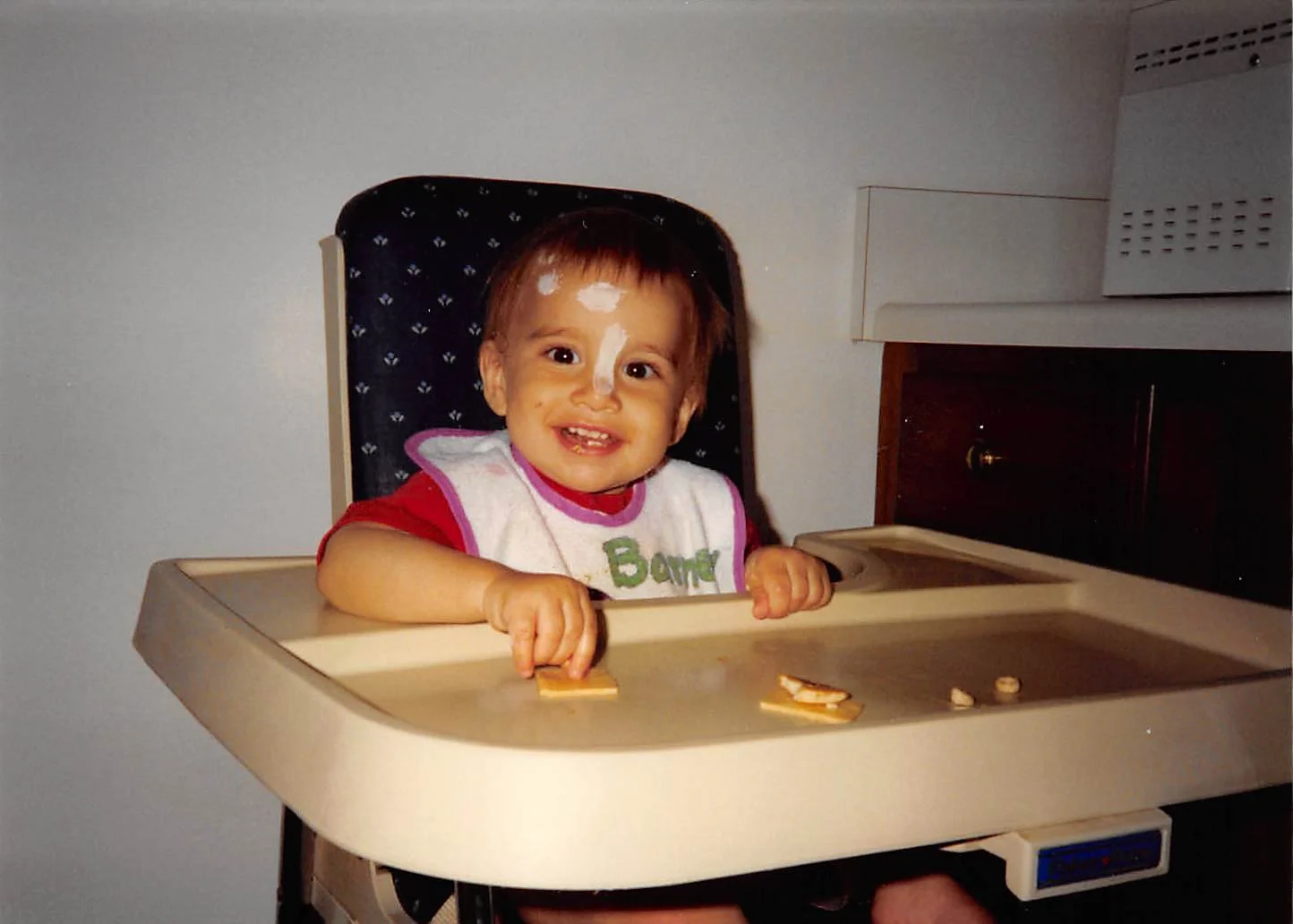
Mason with chicken pox
When our children were little, they seemed to be constantly sick. With three of them in the house, there was no escaping shared germs. The worst experience we had was with chickenpox, which we contracted just before the vaccine became available. It spread quickly from our oldest to our youngest, and somehow, I caught it, too, because I wasn’t exposed as a child. I believe there's merit in exposing kids to illnesses when they’re young, as it only seems to get worse as they get older. Now that they are young adults, they rarely get sick. They have been exposed to COVID many times but have never shown any symptoms. I chalk it up to their strong immunity.
Rediscovering the Value of Messy Play

Tyler (3 years old), climbing a tree
Grandparents, you hold a powerful position to advocate for messy adventures that can help break the cycle of excessive sanitation, which may lead to low immunity and then more sanitization. Take your grandchild out to play! It doesn’t have to be at a playground; consider a walk in nature instead. Explore trails filled with bugs, frogs, squirrels, and more. Find a puddle for them to jump in, even if parents insist on rain boots. Encourage them to create mud pies—preferably without gloves. Let them play, explore, and feel safe trying new things. They won't suffer from getting fresh air!
When our kids were little, they played in the dirt, climbed trees, and explored what they called "the forest" in our backyard. Their grandfather always kept a watchful eye but encouraged them to have magical experiences. One of my fondest memories is of the boys finding "dinosaur eggs" while digging with their toy dump trucks. Although they were actually chicken eggs from the refrigerator, this sparked their imagination (see our book based on the story, "Dinosaur Discovery").

Digging with trucks
Did they get injured? Of course. We had our share of emergency room visits; stitches and broken bones were part of their childhood journey. Were we negligent? Not at all. We simply didn’t hover or overreact when they scraped their knees. In fact, to lighten the mood, their grandfather would just tell them to throw some dirt on it.
Conclusion
Our societal shift from mud pies to hand sanitizer marks a profound change in childhood experiences, prioritizing cleanliness and safety but often at the expense of spontaneity and adventure. This trend has led to children becoming "experience extinct." While these changes arise from genuine concerns, they inadvertently strip children of the unstructured, messy play that builds resilience, sparks imagination, and fosters a deep connection with nature. By embracing a balanced approach—valuing hygiene without sacrificing the joys of messy play—we can reclaim this essential element of childhood.
Imagine a world where children are fearless explorers, their hands covered in mud and their minds brimming with creativity. A world where scraped knees are badges of honor and every dirt-stained adventure fosters a deeper understanding of the world around them. Grandparents, it is up to you to make a difference in your grandchild’s life. By advocating for and encouraging these messy, joyous experiences, you are not merely letting them play; you are igniting a spark that will illuminate their path to boundless creativity, resilience, and a lifelong love of discovery.
Join the Intentional Grandparent Movement.