Child labor, grandma says go for it!
Let's do a quick survey. How many are in favor of child labor? Against?
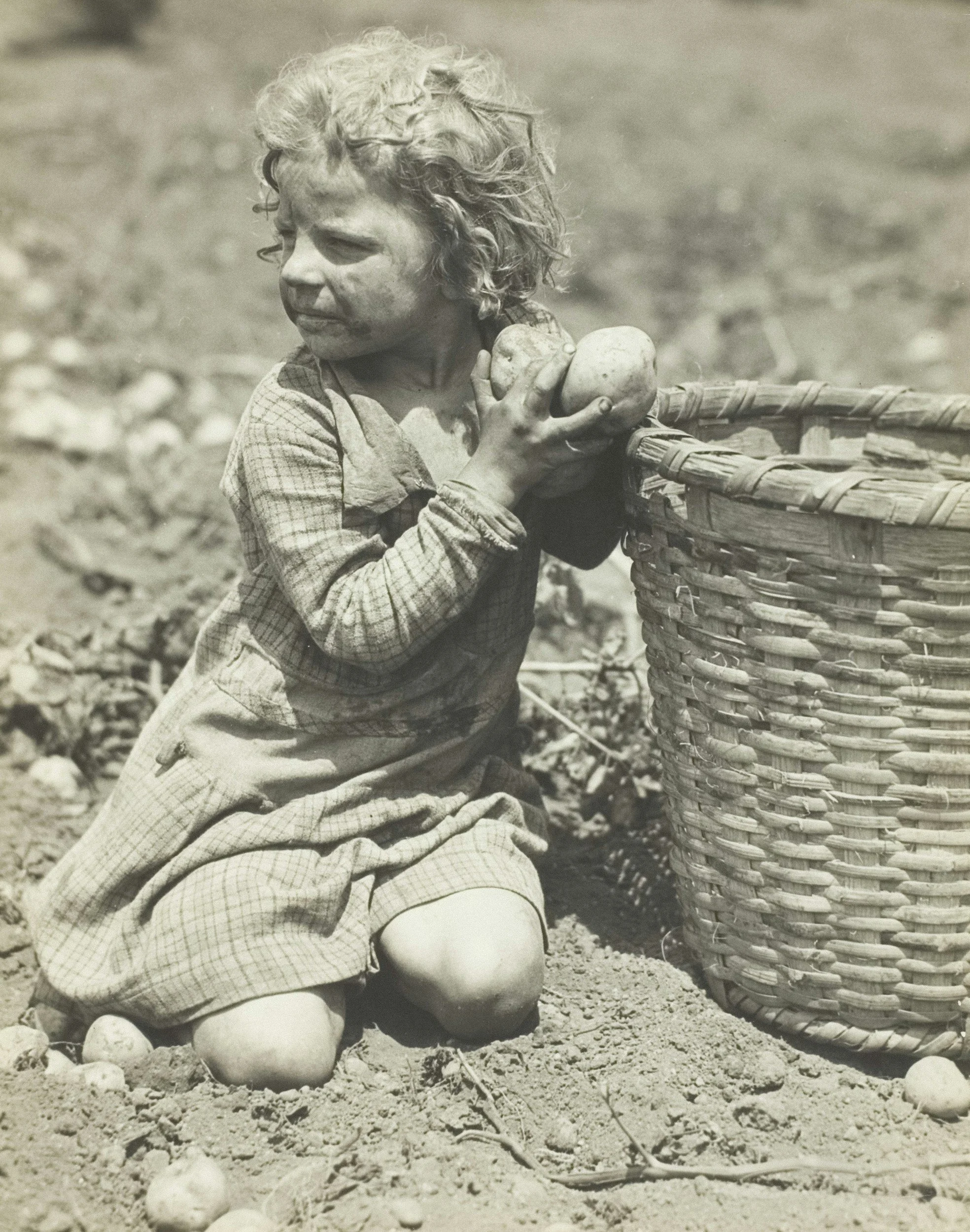
Child labor…these words conjure up images of children working from dawn to dusk in spinning mills, shucking clams, or spraying arsenic on cotton fields in the 19th century or early 20th century. All of us would say that we have moved to a better place. Those were horrific times, and luckily our grandchildren today have never experienced any type of dangerous work, nor should they. However, there is nothing wrong with teaching them the value of hard work and letting them experience it.
When my sisters and I were young, the leaves began to fall, and the air started to get brisk. We knew it was time to go to the farm. What did that mean for us? It was corn harvesting at our cousin's farm.
Our job was to pluck the dried animal corn from the stalks, shuck it, and throw it in piles. Miles and miles of piles. We finished picking the fields as dusk approached, and our cousin would hitch a trailer behind his tractor. We excitedly knew our next job was to throw the corn onto the trailer as it drove by. Drive, throw, dump, repeat.
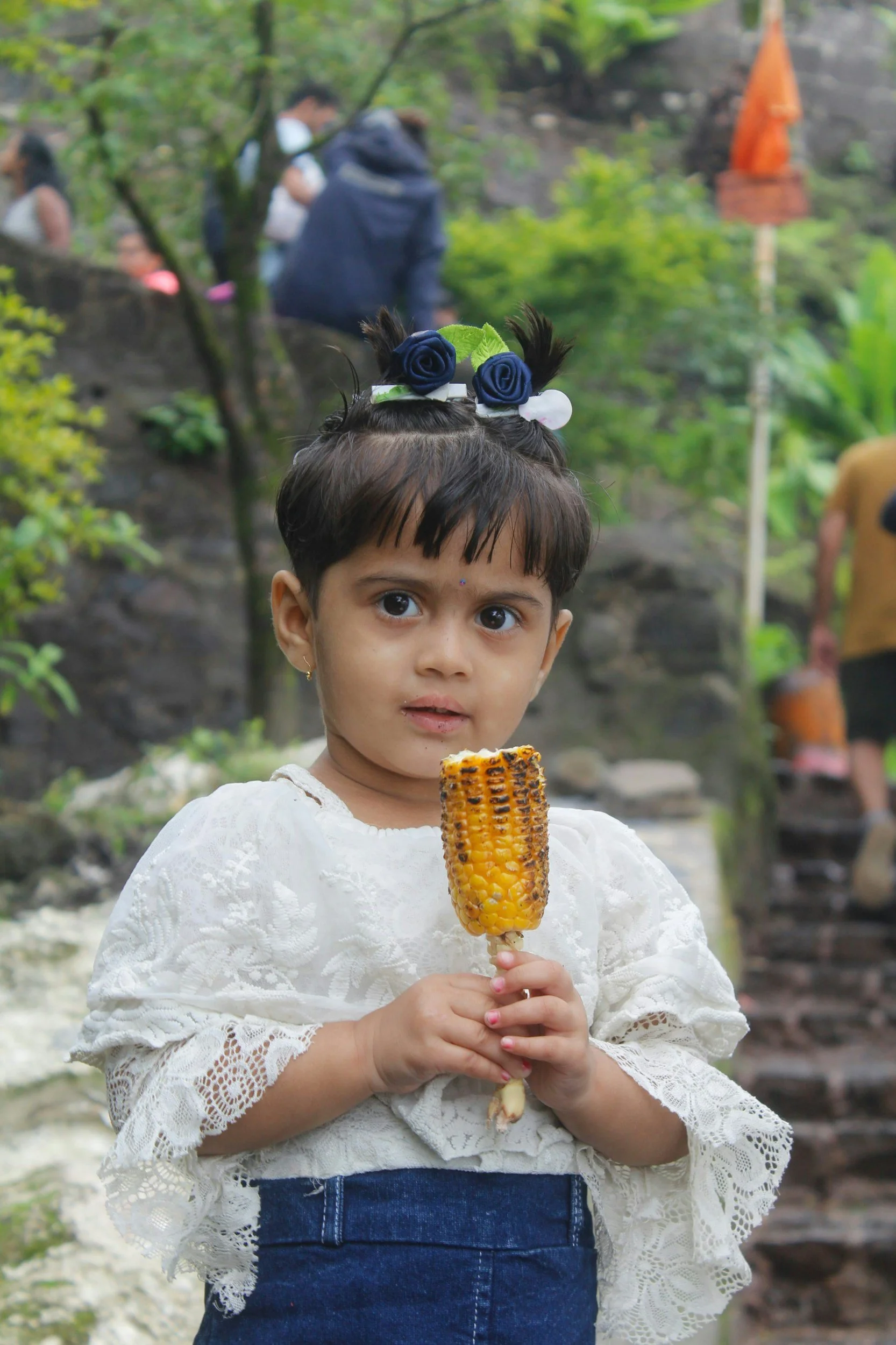
A long exhausting day, but we knew that at the end of our productive work, we would celebrate our labors with a whole pig roast. While the adults prepared our feast, the kids would head to the pig stye and play with the pigs. Note: Pigs bite, so never take up a dare to ride the pigs. Lesson learned.
These experiences will never be forgotten.
Today, the opportunities to work on a farm from dawn to dusk are slim, but museums, festivals, and county/state fairs still give children a chance to experience some of the old crafts.
This blogger still loves a simpler life, and when fall and spring roll around, I can demonstrate how to spin yarn, shear sheep, and even give kids the opportunity to pick the seeds out of cotton. Of course, before Eli Whitney's cotton gin. That was grueling work. Sadly, because of the concern for germ transfer, few of today's kids experience milking a real cow or goat. So, let's get off the farm and look around the home.
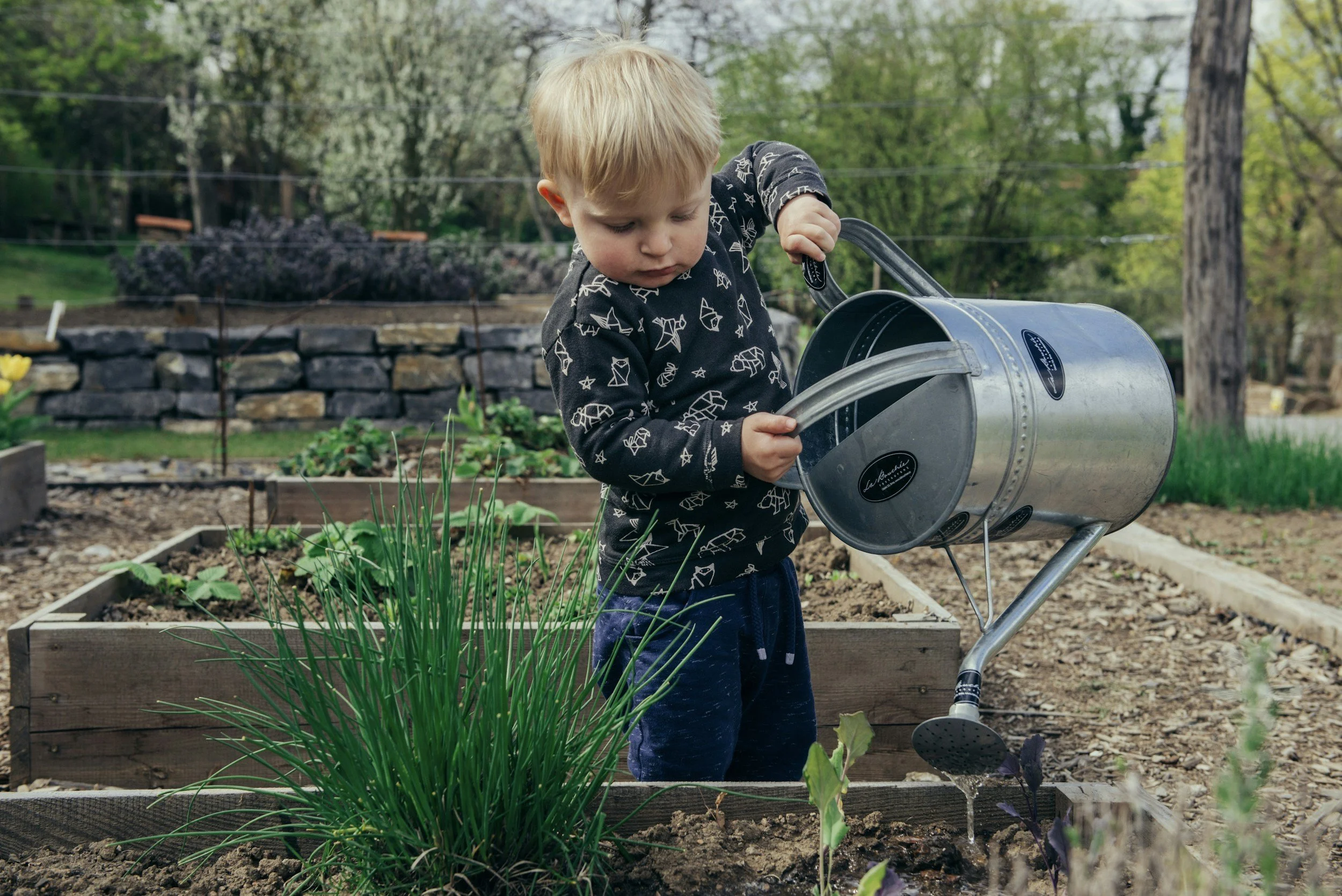
Priceless childhood experiences include hard physical work but can still be an elusive concept for them or maybe even their parents. As grandparents, we can help. If you have a garden, have them weed it for you. Down south, weeds pop up daily and grow faster than Kudzu. If you don't have a garden, I'm sure you know someone who does who would love some help. Granted, kids may end up pulling up some of the garden plants, but overall, having a child spend a couple of hours pulling up weeds in a garden can be a good life lesson. Pulling weeds without the distractions of earbuds or cell phones can encourage self-reflection or flights of fancy, i.e., daydreaming.
Look around, a friend may have backyard chickens, and your grandchild can learn to pick up eggs and feed the hens.
This type of labor is probably new to them. Still, your enthusiasm will help with disconnecting from today's pressures and reconnecting them to the more mindful world where they learn to interact with and appreciate the world around them. This simple action is powerful and one of the best things we can do for them as grandparents. Let's help them be more excited about what is happening around them when getting their heads and hands off their devices.
Your grandkids may never work on or even see a farm, but teaching them the value of hard manual labor will develop good work habits and improve self-esteem. Oh, and if they are worried about germ transfer, no worries, Purcell and a good hand washing is readily available, so get in there and let them learn. Clean 'em up later.
What did you remember having to do as a child? Did you help on a farm? Milk a cow at the county fair? Did you weed your grandmother's flower garden? Would these experiences benefit your grandchildren as they grow into adults?