Bricks & Giggles: Easy LEGO Play that Sparks Big Imagination
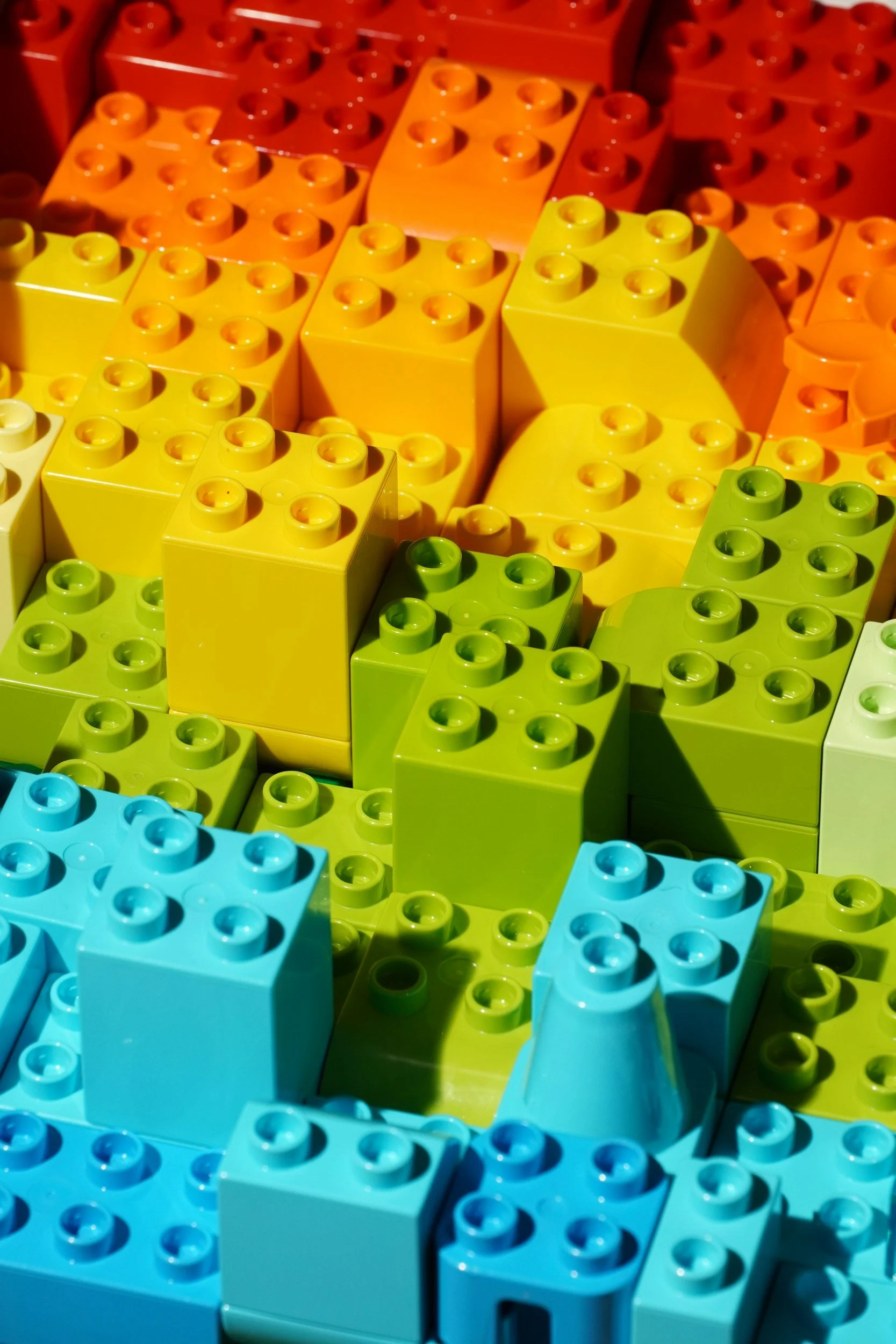
Last Saturday, I found a tiny blue brick in my slipper—proof that my grandson had been here, engineering at dawn. When he tumbled back in after lunch, he didn’t say hello; he said, “Carma, watch!” and unveiled a wobbly tower with a dragon on top and a cheese slice at the bottom (apparently, dragons’ snack between rescues). We didn’t plan a lesson or a masterpiece. We just sat on the rug, traded pieces like secrets, and built a world where ladders lead to giggles, and every bump can be rebuilt. Ten minutes later, we had a “museum,” two blurry photos, and a story we’ll retell for years: the day the dragon ate the cheddar and saved the city anyway.
Why this blog—right now (International LEGO Day)
January 28 was International LEGO Day—an easy excuse to turn ordinary bricks into a mini celebration. Think of it as a playful reset between the holidays and spring: simple builds, short timers, and small wins that warm up imagination without a mess. This post gathers fast, low-stress ideas you can use the week leading up to the 28th (or on the day itself) to mark the occasion with your grands—no special sets required, just a bowl of bricks and your best “Wow, tell me more!” face.
Quick-Start: Set the Stage in 60 Seconds
Before you even click the tub open, whisper a tiny goal into the room. Tell your grands you’re each going to make one thing that moves, or a little hiding place for a duck that needs a nap. Set a playful seven-to-ten–minute timer—not to rush, but to focus the fun—and point to a “ta-da” spot where finished creations will live for a quick photo and a round of applause. If there’s a rare or beloved piece that always sparks a tug-of-war, give it a ceremonial “rest day” in a special bowl. Suddenly the space feels like a theater, the timer like a curtain rising, and we are co-directors of whatever happens next.
Here are five fast, low-mess LEGO play ideas—no special sets required—that grandparents can use to turn ordinary bricks into big giggles and memorable moments.
1) Build-the-Alphabet (Without the Worksheets)
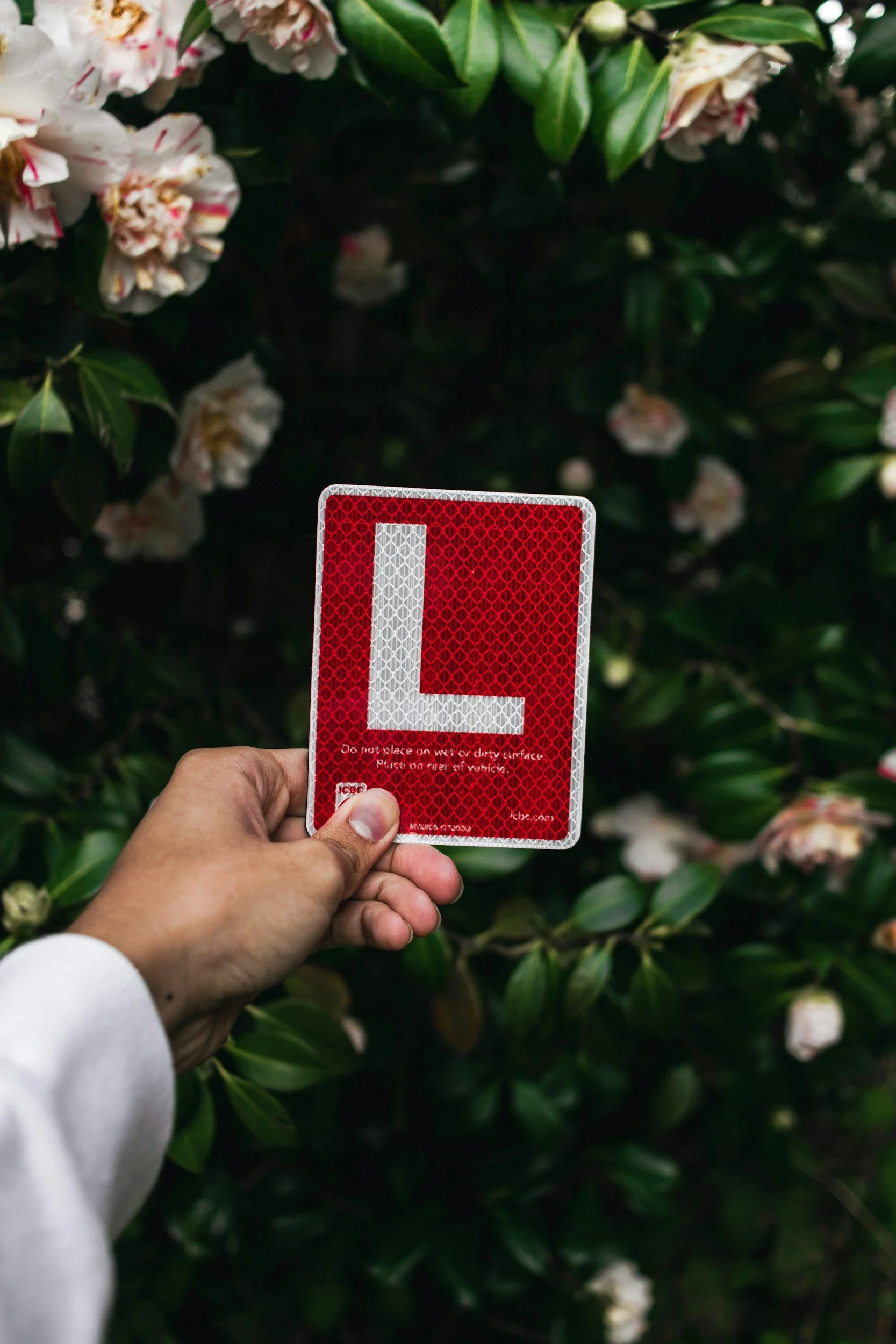
One winter afternoon we decided to build only the letters that mattered to him right now: the first letters of his first and last name, plus a few “early friends” that are fun to spot everywhere—O, B, A, C, and the wonderfully weird X. We pressed plates and bricks into round O’s that rolled off baseplates, sturdy B’s with double bellies, tall A’s wearing tiny bridge “belts,” curved C’s that looked like open hugs, and zigzag X’s that made everything feel like treasure maps. His initials got pride of place, then each big-kid letter found a companion—a mini O became a wheel, B guarded a “book,” A sprouted a ladder, C framed a window, and X marked the secret spot under the couch. “Where could we hide today’s letter so it surprises you tomorrow?” I asked. He tucked his last-name letter on the windowsill behind a plant. The next morning he squealed at his own cleverness, and we printed a close-up. Without realizing it, we’d just started an A-to-Z album where every page begins with a name—and a grin.

2) Story Streets (Beginning–Middle–End in 15 Minutes)
The Lego’s are his favorite playtime toy, so we kept it going. This time we turned the coffee table into a three-stop story. On the left, a character arrived—a minifig with a crooked smile and a hat that kept falling off. In the middle, a problem appeared: a bridge lost its center and the dragon couldn’t cross to the pizza shop (a tragedy in our town). On the right, change happened. Sometimes the fix was practical—new supports, longer plates. Sometimes it was surprising—sharing slices with the dragon so he forgot why he was grumpy. To keep it fresh, we rolled a die for a random ingredient in each scene. A two meant we had to use a window; a five meant a flag; a six meant an animal wandered in. The dice made us braver. We stopped asking, “What should we build?” and started asking, “What if a ladder shows up in the middle of a storm and refuses to leave?” Fifteen minutes later we had a beginning, a middle, and an ending that felt like a tiny parade.
3) The 10-Brick Challenge (A Crowd Favorite)
Seattle has some not so sunny days and on one rainy day that begged for cocoa, we created the 10-Brick Challenge. We each grabbed exactly ten pieces—no trading, no takebacks—and set a five-minute timer. He built something with wheels that could also fly “if the wind was polite.” I assembled a contraption that launched imaginary marshmallows directly into rescuers’ mouths. We announced our creations like carnival barkers, christening them with grand names and one-sentence origin stories. Round two, we swapped piles and tried again. Round three, we added a rule: the build had to roll, or stand on one leg, or include a window that didn’t look like a window. The constraint made the laughter bigger. It’s remarkable what ten odd pieces, a ticking clock, and a good name can do for a rainy afternoon.
4) Tiny Town, Big Adventure
Now we started to expand past the playroom. This time we headed to the kitchen with a cookie sheet as our canvas. Our vision, three quick builds—Home, Shop, and Park—suddenly it became a whole city waiting for a mayor. We borrowed ribbon and created a road running between them. We renamed the town after my grandson, because of course what else would you name a town, and taped a hand-drawn map inside a kitchen cabinet. Every time he visits, we add a new landmark. Yesterday it was the Museum of Lost Mittens. City planning has never been so adorable—or so democratic.
5) Photo Scavenger Hunt (Perfect for Long-Distance Grands)
I eventually had to head home and across the miles, we shrink the distance with a three-photo LEGO challenge that turns texting into play. When miles stretch between us, we turn play into a camera game. I text a three-item challenge—“build a snack, a vehicle, and something that cannot exist”—and he texts back photos with captions that deserve awards. His snack looked suspiciously like a sideways spaceship. His impossible thing was a staircase to the moon guarded by a friendly chicken. I replied with a celebratory sticker crown and a pun he pretended to hate. Next time, he became the challenge boss and made me build something “that dances but also naps.” Long-distance Lego isn’t second-best; it’s a new kind of duet, one photo at a time.
What to Say While They Play (Because How We Talk Matters)

The most magical part of brick time, I found, is how it opens conversation. I try questions that invite leadership: “Show me how this works.” He beams and narrates the whole mechanism, inventing as he goes. I ask, “What’s your favorite part so far?” and he points to a small, clever hinge no one else would notice. When ideas stall, I wonder aloud, “What would you try if we had five more minutes?” and he dreams bigger than the timer allows. If something breaks, I offer a choice: “Want me to fix it, or cheer while you fix it?” Nine times out of ten, he chooses the cheer. It’s not about perfect builds; it’s about building a voice that trusts itself.
Fast Fixes for Common Brick Drama
Every family has a brick drama or two. When a coveted piece threatens to start a cold war, we declare amnesty with a Trade Bowl—a neutral place where anyone can swap without bargaining. When the pile looks overwhelming, we shrink the mission: build with only curved pieces, or choose just two colors, or make something smaller than your palm. And when perfectionism creeps in and the whole structure starts to sag under its own expectations, we snap a quick photo of the “in-progress version,” give it a silly codename, and try the wild idea anyway. Saving that snapshot makes risk feel safer, for both of us.
Optional: International LEGO Day Mini-Party (January 28)
On the 28th, we lean into the joy of International LEGO Day. Cocoa becomes “hot lava” with marshmallow studs floating like future inventions. We host a friendly 10-Brick tournament and give the champion naming rights for tomorrow’s build. Before bedtime, we print a single photo and write a one-line caption together. That picture gets taped inside a cabinet door—our secret museum where January’s tiny triumphs live right beside the measuring cups.
Simple Supply List (Use What You Have)
You don’t need much: a mixed bowl of bricks, a flat surface like a baseplate or a cookie sheet, and a phone to catch the evidence. If you’ve got googly eyes or paper flags, wonderful; if not, the imagination comes standard with every child. The point isn’t abundance—it’s attention.
Closing Nudge (Short & Sweet)
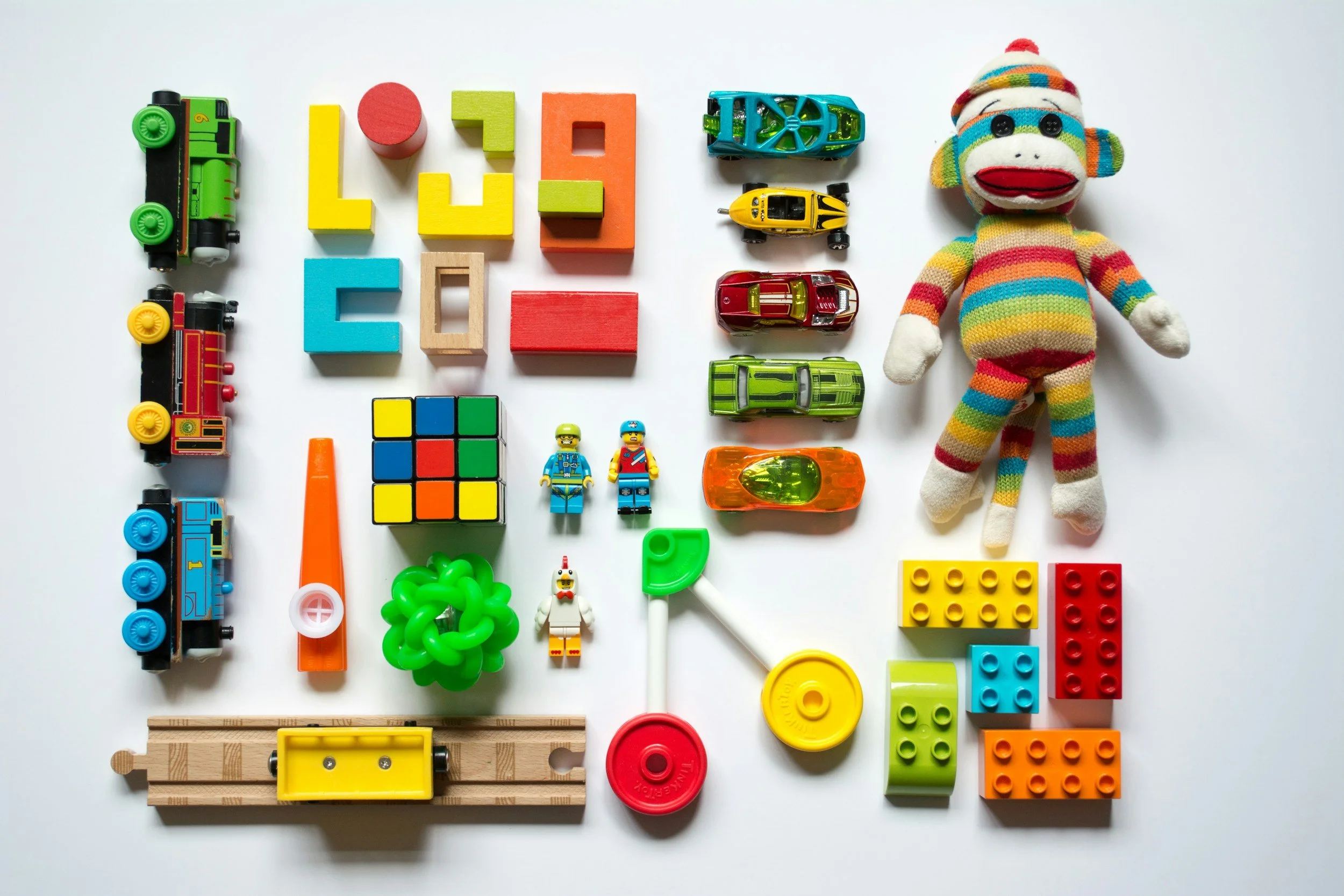
The best builds aren’t perfect—they’re shared. Keep it tiny, keep it playful, and let the kid be the genius in the room. If you try one of these ideas, snap a picture of your favorite moment and give it a name. Someday, that photo will be the doorway back to this very afternoon of bricks & giggles.
If you’d like to keep in touch and see the stories we write for families like yours, you can find our CJ Corki books and updates here: CJ Corki.