8 Best Experience Gifts for Grandkids Under $25
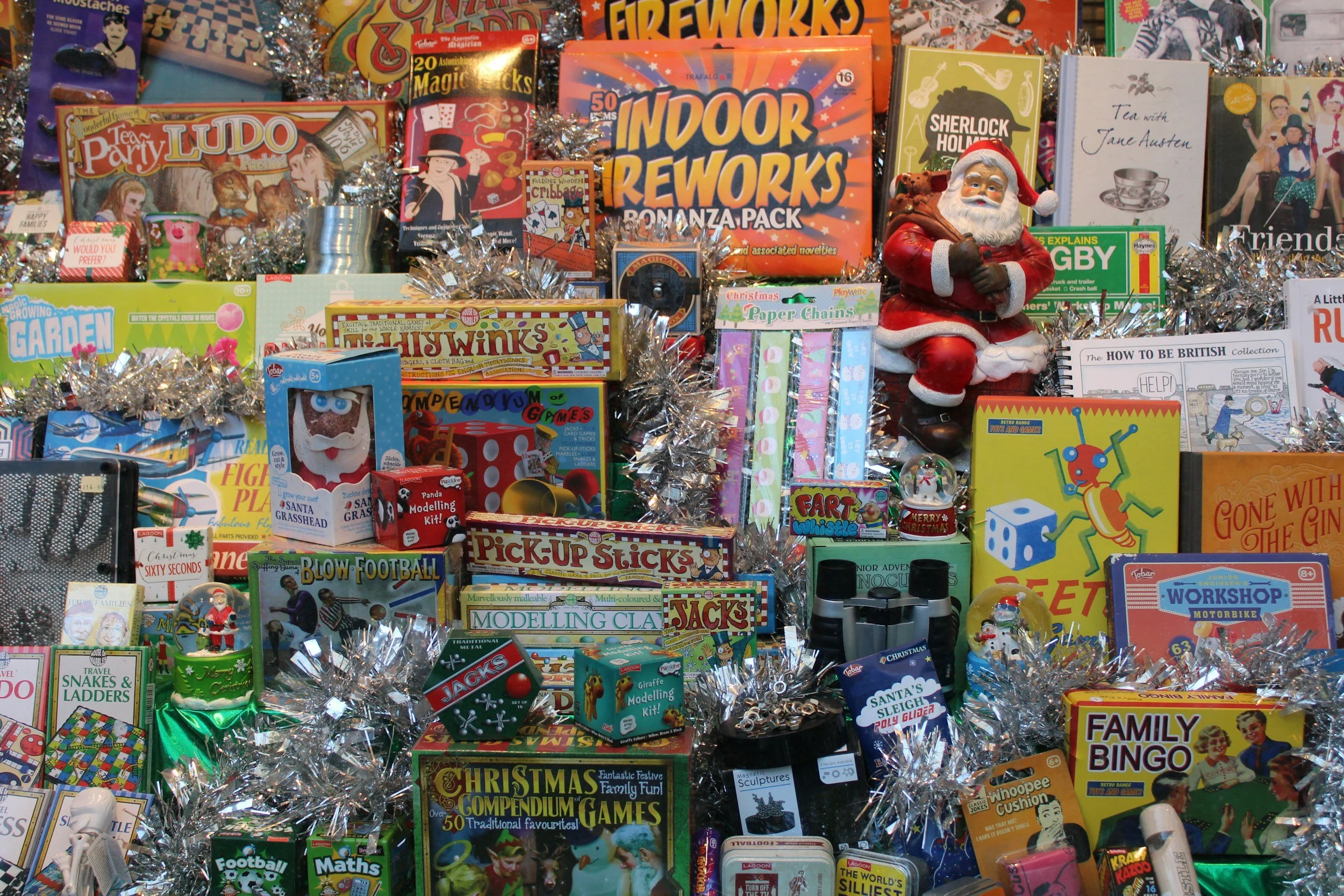
The holidays are over, and by now you’ve probably seen that those precious, must-have toys start to break or be relegated to a closet shelf.
We know, stuff breaks. We also know that memories stick. So, if you’re a Modern Grand who wants fewer plastic parts and more sparkle-in-their-eyes moments, experience gifts are your secret super tool. The great part about it is that it’s affordable, easy to pull off, and doesn’t have to be tied only to “official” celebrations.
I’ve noticed that the sweet spot for many families is simple, low-cost adventures that turn a regular afternoon into a story you’ll retell for years. “Experience” gifts teach naturally, grow with the child, and keep clutter out of bedrooms and budgets. We are going to talk about how to take every day “experiences” like measuring cocoa, reading a bus map, thanking a librarian, or noticing pinecone scales…think real-world skills wrapped in fun.
The secondary benefit I found is that it also creates a rhythm for connection; when a child knows they can count on a cozy ritual or a tiny adventure, they show up with curiosity and confidence.
So, let’s put on our past job hat on for a moment. Remember when we learned that presentation matters? Well, that’s no different here. To make an experience feel like a gift, one thing I did was hand-draw a little “Golden Ticket” and hid it in a book we plan on reading together on a day. I offered a playful choice. “Do you want your ticket now or after pancakes?” The reason for that specific question is to spark ownership and accountability.
How to start? Well, my recommendation is to start with cozy at-home makers that work in any weather.
#1 - A “Pancake Lab” this requires only pantry basics and imagination. Set out toppings with little icon labels and invite your grandkid to “read” the menu by pictures. Count blueberries, pour batter into shapes, and clap the syllables in “pan-cake,” then sit together to taste your experiments.
#2 - On another evening, try “Cocoa & Constellations.” Dim the lights, warm a simple cocoa, and picture-walk through a starry picture book before peeking out the window or opening a free star app to find one constellation. For a dash of drama, transform the living room into a “Campout.” Drape blankets, switch on flashlights, and tell a real family story before a quiet read-aloud in the “tent.”
#3 - You can also host a short “Grand’s Movie Club,” where you watch one kid-friendly short and fill out a simple critic’s card with a favorite scene, a new word, and one kind character, followed by a themed snack. On crafty afternoons, open an “At-Home Art Studio” and choose one technique, such as salt-watercolor, tape-resist, or potato stamps, then hang a gallery wall for a two-minute “opening night” reveal that makes kids feel seen.
There are also things to do outside.
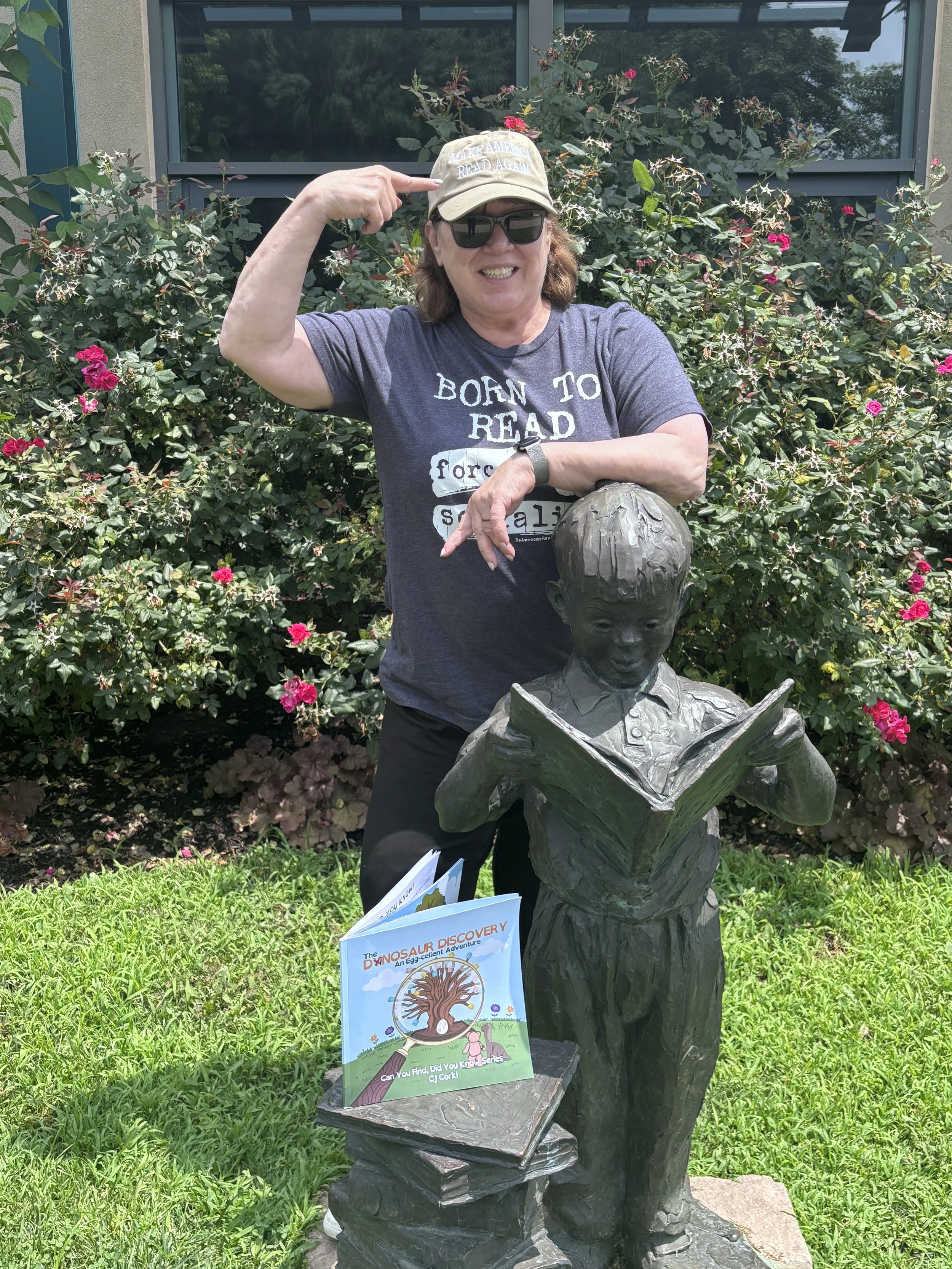
#4 - The library is a treasure hunt waiting to happen. How about giving three picture prompts, find a book with snow, a book with a dog, and a cover that features the letter M, then practice asking a librarian one question.
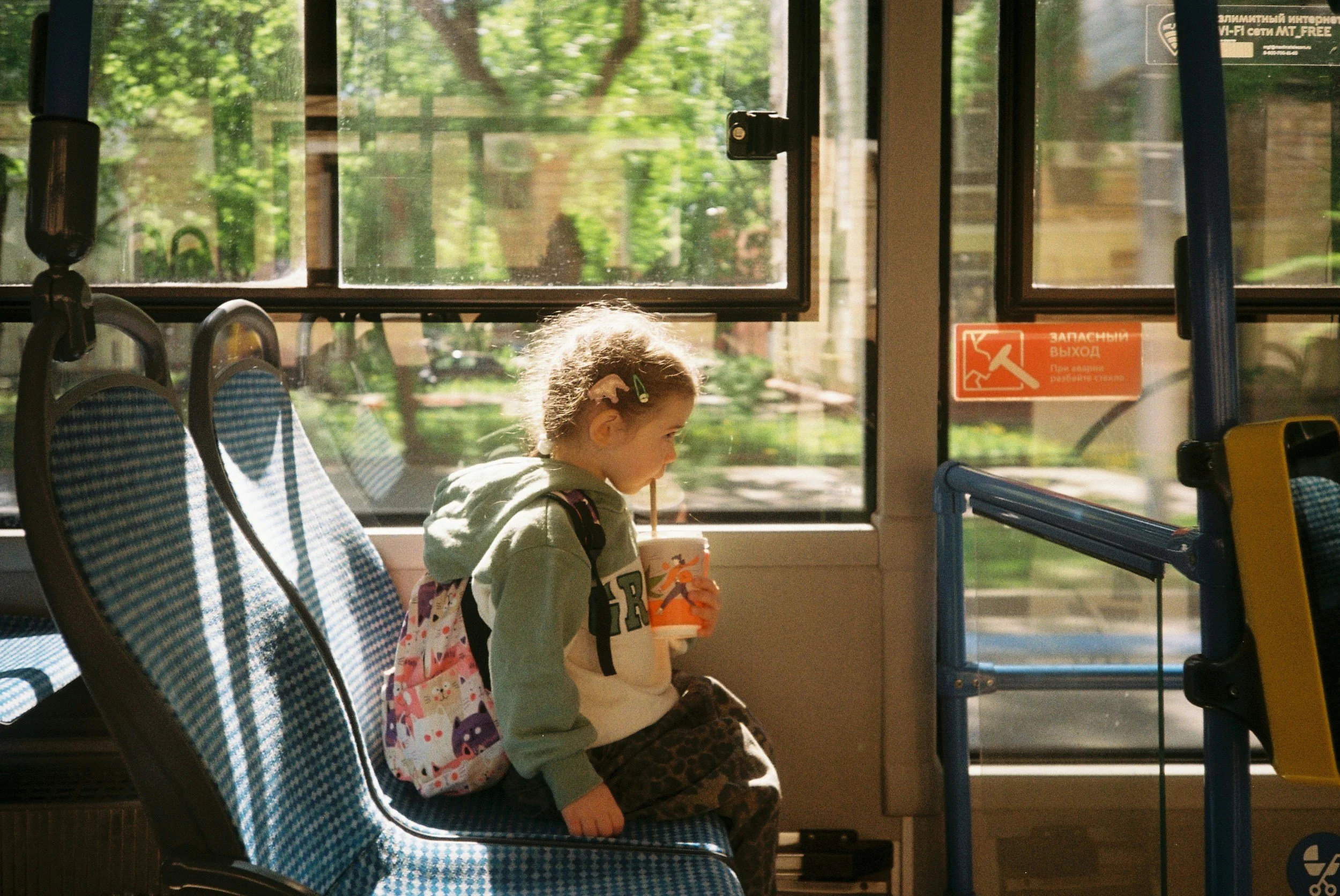
#5 - Another idea is a short bus or trolley ride. That can be its own adventure; go two stops, read the signs, listen for sounds, and snap a quick selfie with permission so your rider feels official. Next, how about a tiny bakery tour that turns a shared pastry into a vocabulary safari, teaching words like proof, whisk, and laminated as you peek behind the counter.
#6 - Dress-up fun is always a hit. Set a five-dollar budget at a thrift store and build a character like a pirate chef, a snow explorer, or a time-traveling teacher, then perform a thirty-second skit at home. Or even a pet store can become a mini-zoo when you carry an observation chart for “fur, feathers, or fins” and whisper your way down the aisles.
#7 - Nature and the neighborhood are generous classrooms, especially in winter. After snow or rain, go on a “Track Detective” walk to spot boots, bird prints, and paw patterns. Then, sketch the shapes at home and compare their sizes. Visit a nearby park and hunt for five “wows” using your senses, something crunchy, something bright, something that smells fresh, and label finds with sticky notes to practice seeing and naming details. Gather pinecones for a tiny lab, testing sink, or float, and use counting scales to make a simple feeder with peanut or sunflower butter and seeds for the birds.
#8 - If the weather turns brisk, warm up with a “Neighborhood Photo Safari,” granting your grandkid official photographer status and searching for circles, shadows, and letters hidden in branches and fences. As the sun sets early, record sixty seconds of neighborhood sounds, such as wind, a distant dog, a squeaky swing, and back at home, draw what they heard to connect their ears to their imagination.
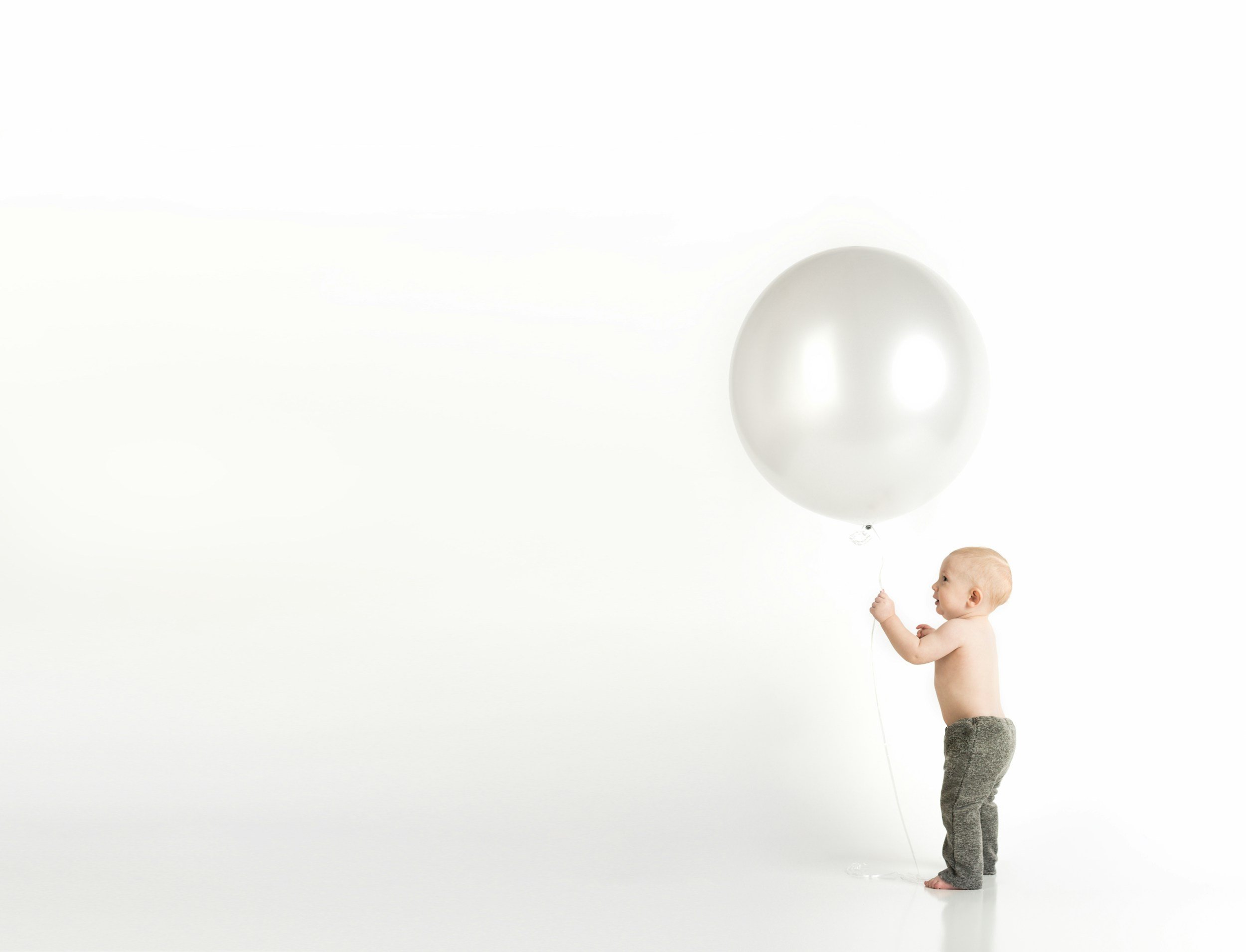
Bonus Idea: For maker-meets-STEM moments, keep supplies simple and accessible. A balloon rocket race needs only a string, a straw, and a balloon. Let the child predict which rocket will travel farther, test their guess, and measure distance in footsteps before reviewing the results out loud. Freeze a few small toys in containers and set up an “Ice Excavation Station” with warm water, droppers, and a pinch of salt; kids will explore melting and problem-solving with great enthusiasm. On paper-airplane day, teach one-fold design, run five test flights, chart distances, and vote for “longest” and “prettiest glide” so science feels like a game.
Throughout all of these experiences, tilt everything toward literacy using a simple SPARK rhythm. Yes, we encourage you to use SPARK when reading, but let’s expand it to everyday experiences. Start by Seeing. Pause to notice details like steam swirls over a mug, the map on a bus, or the scales on a pinecone. Point by labeling what you notice with gestures and words, so the brain ties images to language. Ask open-ended questions, What do you think will happen if we add salt? Which plane glided farther and why? To invite thinking, not quizzing. Review by naming a favorite part and the new word you learned. Then know by connecting today to tomorrow. Next time we’ll try chocolate chips and blueberries, or next week, let’s take the bus two extra stops and see what changes.
Keeping these gifts under twenty-five dollars is straightforward when you design for sprints, not marathons. A focused thirty to sixty minutes beats a four-hour “epic” every time. Most importantly, invite the child to lead; choices like “two pages or three,” “blue crayon or green,” or “bus now or after snack” give kids ownership that will fuel cooperation.
I try to pick one idea that fits my week, present it with a little flourish, and capture it in a single sentence afterward. That’s all it takes. When you give a child your time and a tiny plan, you aren’t just entertaining, you’re building a reader, a helper, and a memory-maker.
At the end of each “experience,” don’t forget to capture one photo, one new word, or one “wow moment.”
Happy Wandering!