Literacy Champions
Are YOU the Literacy Champion Your Grandchild Needs?
Literacy Champions Blog

Second Language Dilemma: Do the Benefits Out Way the Damage
No entiendo Española. Je ne comprends pas le français. Nie rozumiem. Non capisco. This is the extent of my rigorous training and immersion into various languages: Spanish, French, Polish, and Italian. I can confidently say I don't understand in all four languages. It isn't as though I didn't try. My schooling started when I attended Head Start at three years old. I came home spouting all sorts of Spanish words from what I was told. But my linguistic talents went downhill after that. While playing a language game with my sister and cousin, I mistranslated a picture of someone pointing to their teeth as "How are your teeth." Yes, an absurd translation that they never let me forget. My forte wasn't languages. I muddled through my language and English classes, but I excelled in math, leading me into engineering. Nobody questioned my language challenges since; overall, I was a good student. But this isn't the case for children with dyslexia. The inability to learn a language besides English should be a red flag for parents.

Failing First Grade: Dyslexia Isn’t Something You Outgrow
Teachers often say your child will outgrow some of their issues with reading, writing, or arithmetic. School administrators will require testing every five years to validate the need for accommodations. In reality, students learn to compensate for their dyslexia, but they never outgrow it. I call it the invisible disability. It may seem that your child is performing well in school at the beginning of the year resulting in the "need" for accommodations being overlooked. Maybe extra time on tests is seen as unnecessary or considered an advantage for that student. If your child has issues in first grade, they will continue through college and into adulthood.

Failing First Grade: The Emotional Side of Dyslexia
Did you know that 35% of dyslexic children don’t graduate from high school? 70% of the people in prison cannot read? It is speculated that the majority of inmates are dyslexic. Learning to read is essential to the well-being of students, not only being successful contributing adults but in their emotional well-being. Not being able to read hurts children’s self-esteem leading to depression or worse. These facts alone should have the educational system advocating for the well-being of dyslexic students, but instead, this invisible disability goes undetected. How can parents and teachers support their dyslexic children to avoid a path to failure?

Failing First Grade: What Next?
As a parent, you might have identified signs of dyslexia in your child. You may have a family member with dyslexia (dyslexia runs in families). Or they are just struggling in school, and you know something is just not right. If you approach your school, they might say your child is at an acceptable reading level for their grade or a regular part of development. The school told me that my youngest was a delayed reader since I must not read him at home. When I protested, saying we read daily, they asked if I displayed good reading habits in front of him. When I said no, I didn't have time to relax and read in front of them; I said I read when they are in bed. They proceeded to blame me for his poor reading. Did you know that 1 in 5 children have dyslexia, but 1 in 100 teachers understand or are trained on the signs? Don't accept the pushback from the school. You know your child better than anyone. The question, however, is what is next?
S.P.A.R.K. (See, Point, Ask, Review, Know)
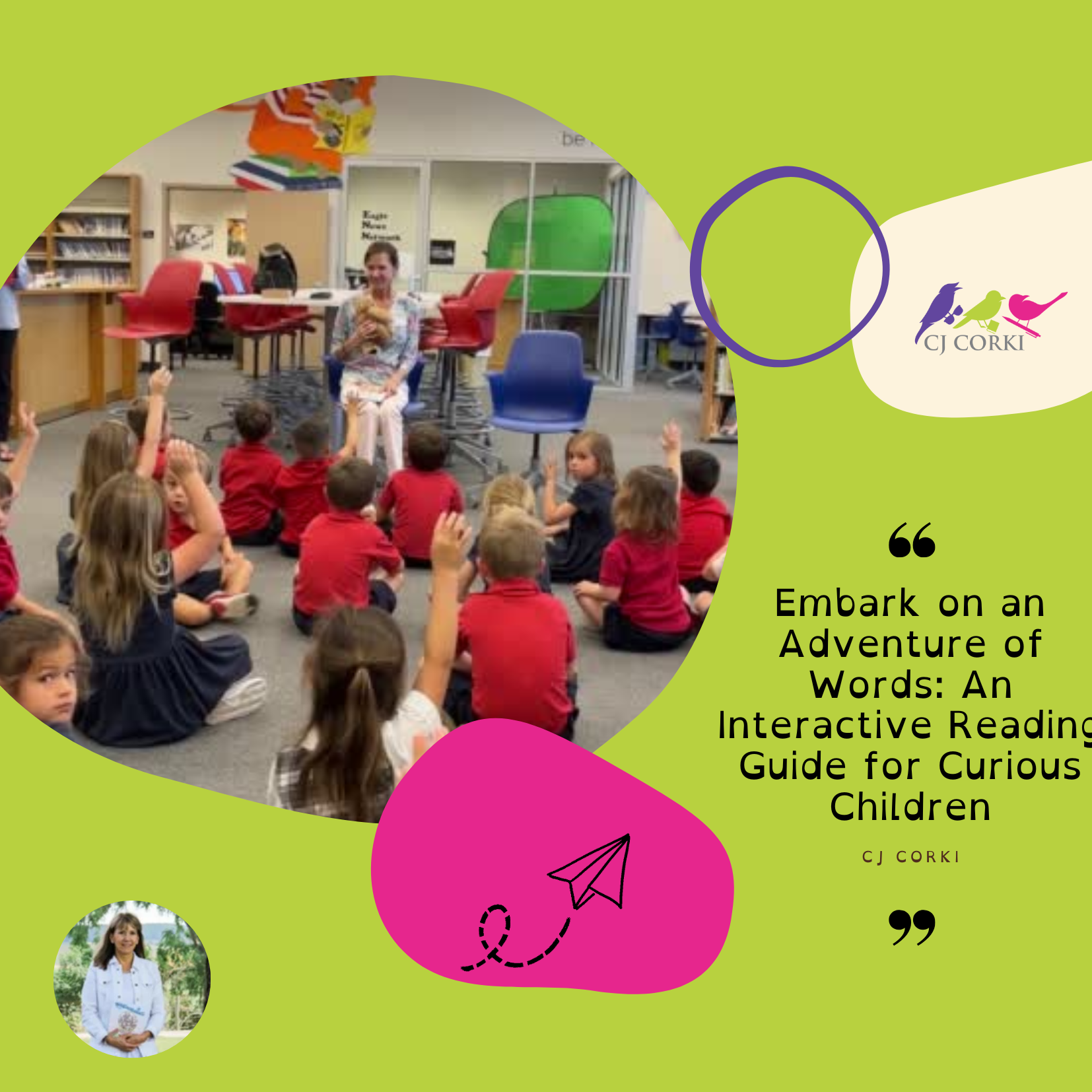
Welcome to the most fun and engaging way to teach kids how to read—where books come to life, marshmallows go missing, monsters are not scary, magical dinosaur eggs are found, and learning feels like an EPIC adventure!
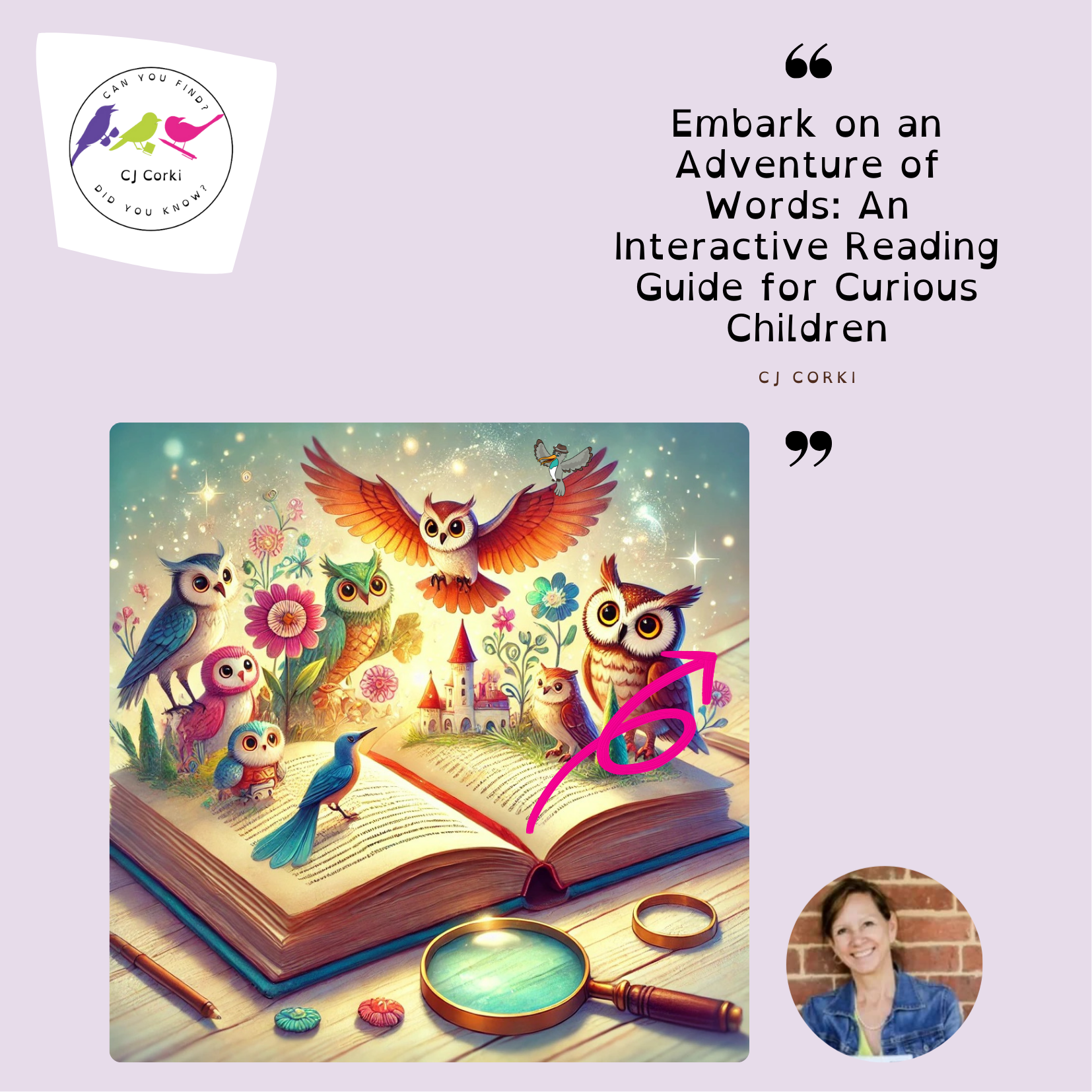
Can You Find, Did You Know Series
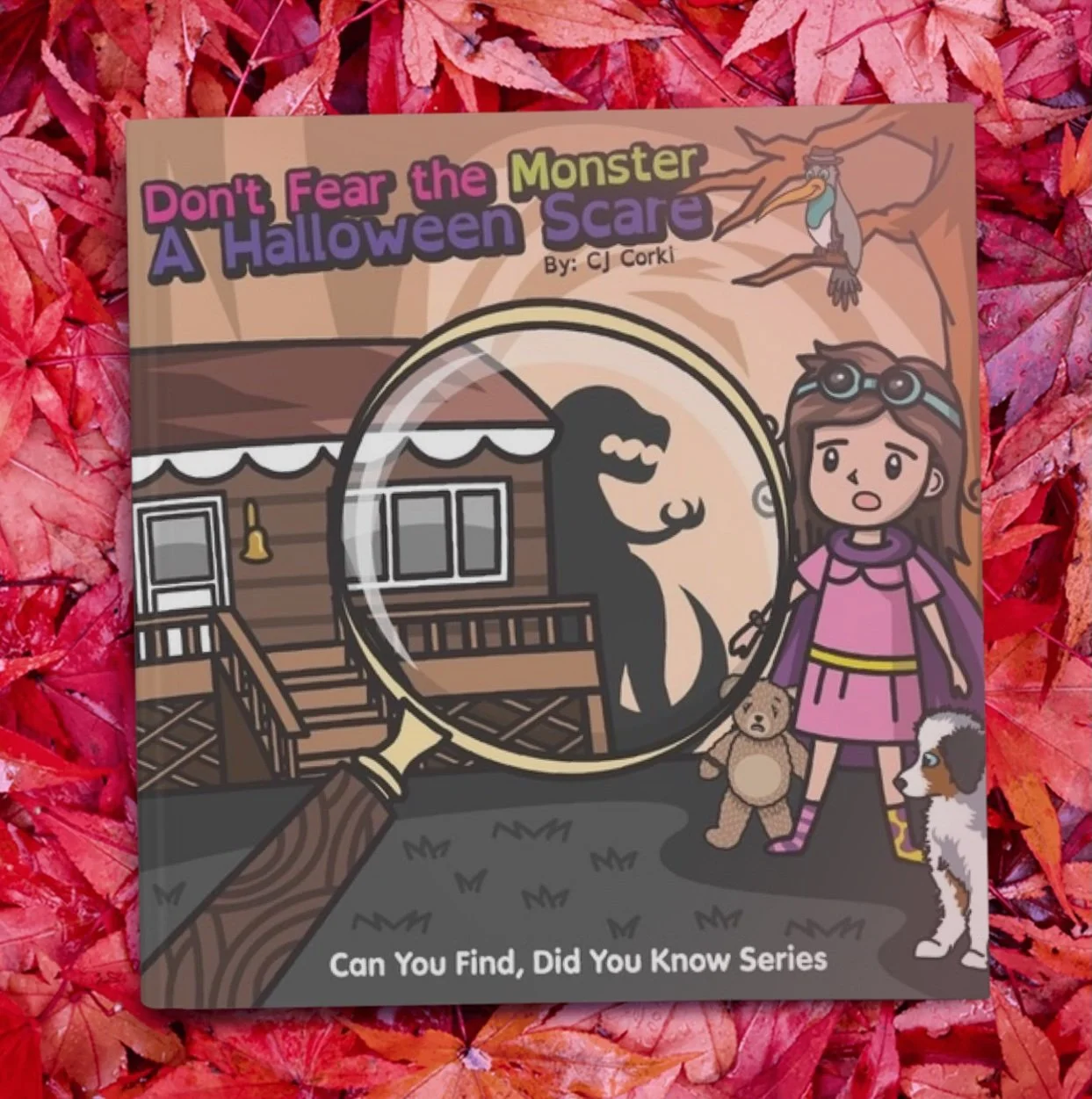
Embark on an enchanting journey of mystery, adventure, and life lessons with the Can You Find, Did You Know Series Bundle! Featuring three delightful stories—Dinosaur Discovery, The Marshmallow Mystery, and Don't Fear the Monster—this collection inspires curiosity, friendship, and courage in young readers. Perfect for family storytime!