Literacy Champions
Are YOU the Literacy Champion Your Grandchild Needs?
Literacy Champions Blog

Failing First Grade: The Emotional Side of Dyslexia
Did you know that 35% of dyslexic children don’t graduate from high school? 70% of the people in prison cannot read? It is speculated that the majority of inmates are dyslexic. Learning to read is essential to the well-being of students, not only being successful contributing adults but in their emotional well-being. Not being able to read hurts children’s self-esteem leading to depression or worse. These facts alone should have the educational system advocating for the well-being of dyslexic students, but instead, this invisible disability goes undetected. How can parents and teachers support their dyslexic children to avoid a path to failure?

Failing First Grade: What Next?
As a parent, you might have identified signs of dyslexia in your child. You may have a family member with dyslexia (dyslexia runs in families). Or they are just struggling in school, and you know something is just not right. If you approach your school, they might say your child is at an acceptable reading level for their grade or a regular part of development. The school told me that my youngest was a delayed reader since I must not read him at home. When I protested, saying we read daily, they asked if I displayed good reading habits in front of him. When I said no, I didn't have time to relax and read in front of them; I said I read when they are in bed. They proceeded to blame me for his poor reading. Did you know that 1 in 5 children have dyslexia, but 1 in 100 teachers understand or are trained on the signs? Don't accept the pushback from the school. You know your child better than anyone. The question, however, is what is next?

Failing First Grade: Early Identification of Dyslexia
Did you know that one in five children are Dyslexic? Dyslexia is more than reversing letters. It is a learning difference where children have trouble with letters and sounds. It typically runs in families. The medical profession actually can see the differences in brain activity between non-dyslexic and dyslexic brains. Children experience letters jumping around the page when they read. However, it is considered an invisible disability. What children see comes out in other ways, such as hyperactivity, depression, or disruptive behavior. Parents and teachers want their children to succeed but are helpless when it comes to solutions.

Teacher’s Purpose is to Have Students Go to School to Succeed, Not Fail!
Now that children are returning to school, I think back to the stress of starting the new year for our family. Everyone is excited, but the teachers are not always familiar with their new students. They may have received notes from the prior year’s teacher, but not in our case. We moved around the country when the boys were little. Our boys had a different school (and the teacher) almost every year from 3 years old pre-school until sixth grade. These were critical years to learn to read. But teachers want their students to flourish and support those who work hard to achieve success. It wasn’t until our oldest son was in fourth grade that he started failing at school. Teachers thought he was lazy, but he was actually dyslexic and gifted too.
S.P.A.R.K. (See, Point, Ask, Review, Know)
Welcome to the most fun and engaging way to teach kids how to read—where books come to life, marshmallows go missing, monsters are not scary, magical dinosaur eggs are found, and learning feels like an EPIC adventure!
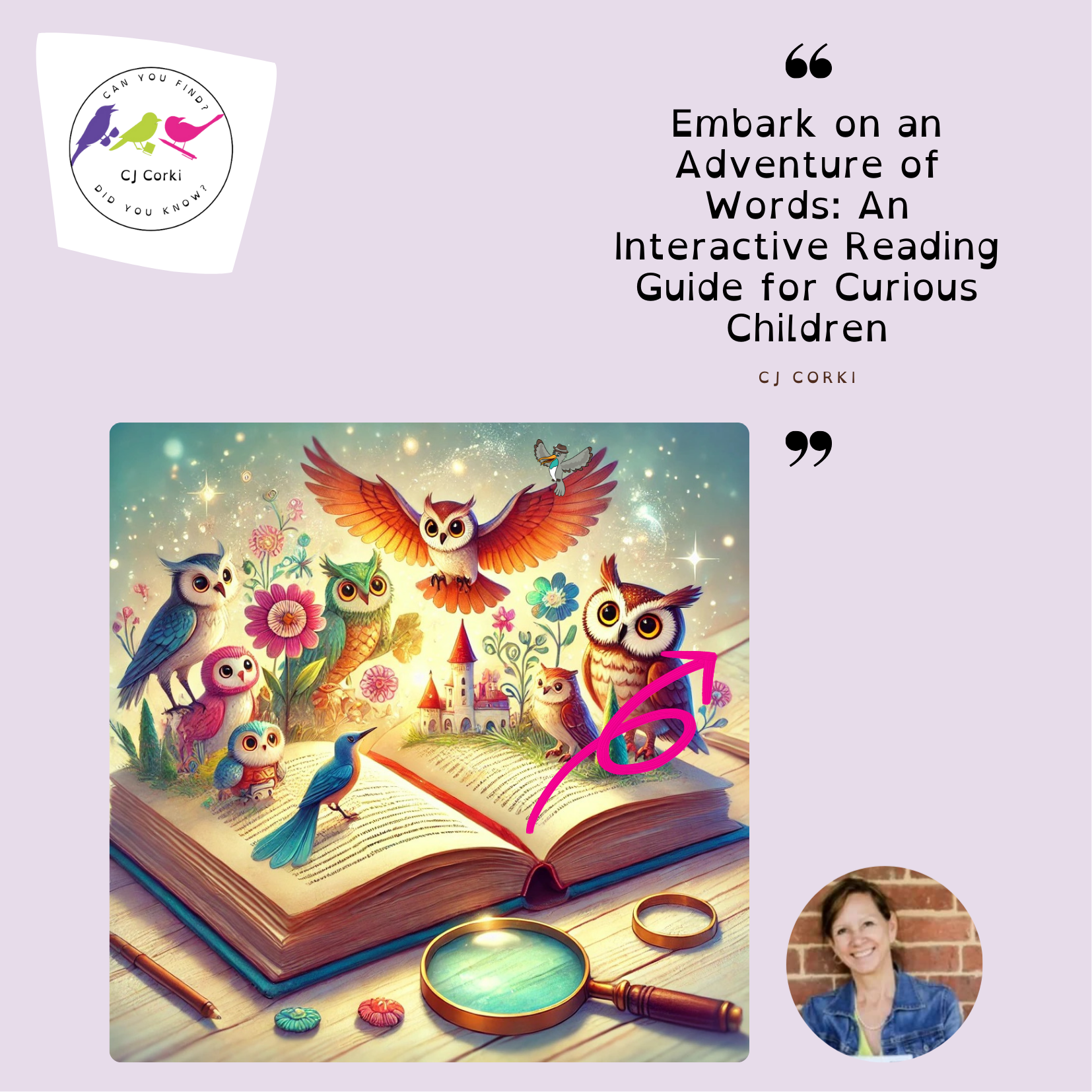
Can You Find, Did You Know Series
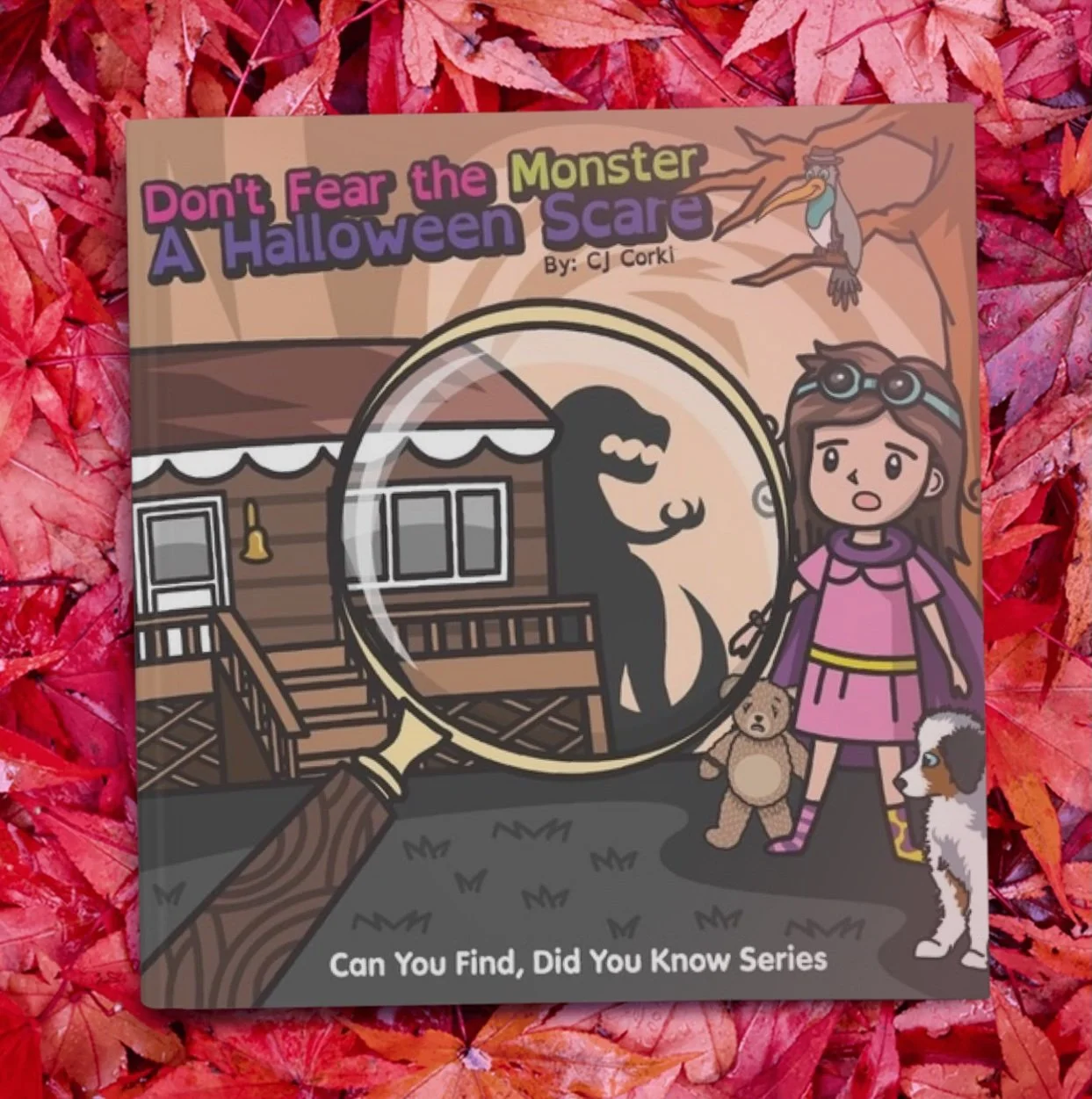
Embark on an enchanting journey of mystery, adventure, and life lessons with the Can You Find, Did You Know Series Bundle! Featuring three delightful stories—Dinosaur Discovery, The Marshmallow Mystery, and Don't Fear the Monster—this collection inspires curiosity, friendship, and courage in young readers. Perfect for family storytime!