Wait! Don’t Answer Yet: The Little Pause That Builds Big Literacy
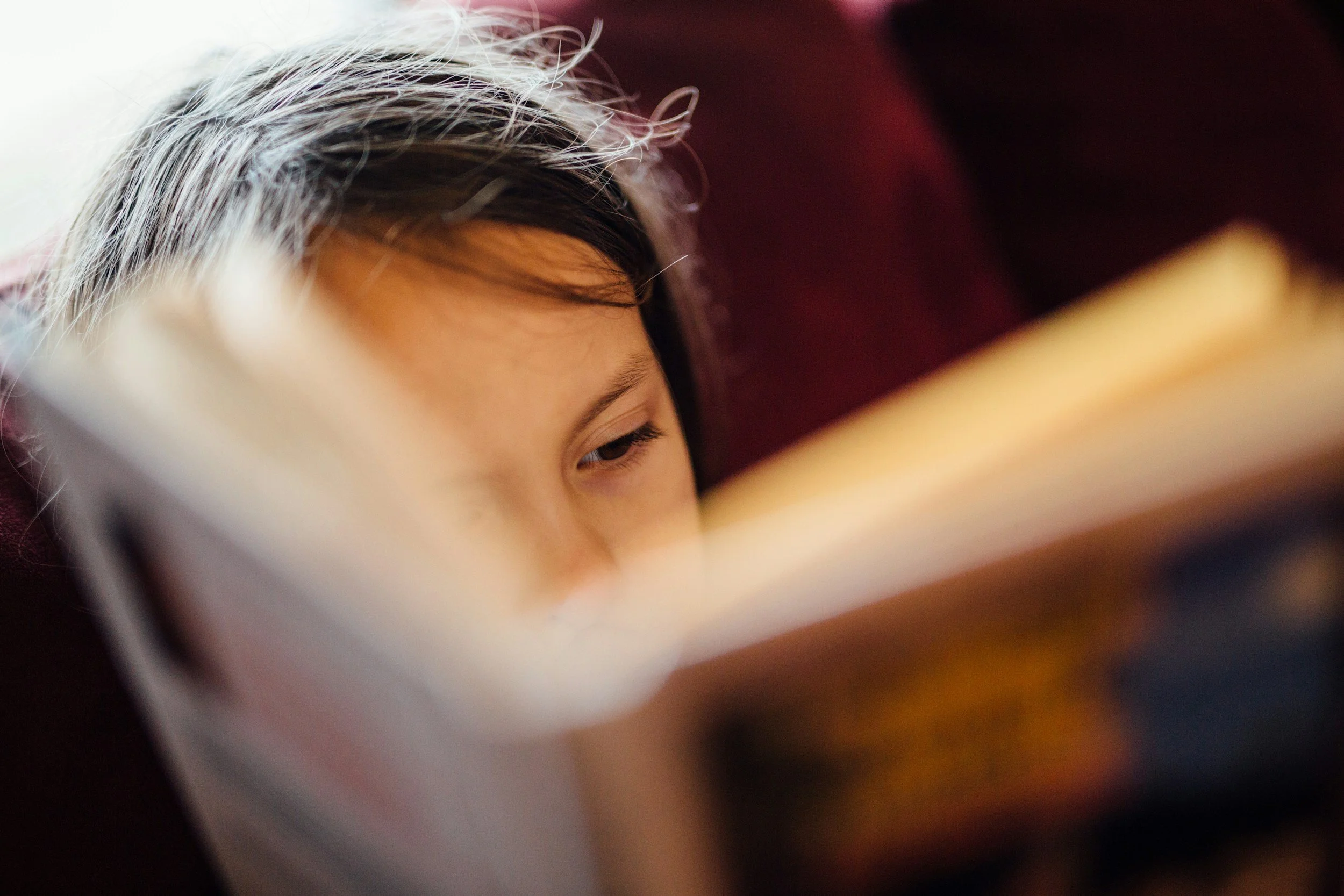
Wait! Don’t answer yet.
That is what I wish someone had whispered to me the first time I sat with my grandson, opened a book, asked a very good question, and then immediately answered it myself.
Yep, I used to think I was being helpful.
I would sit with my grandson, open a book, point to a picture, and ask what I thought was a very good question. “What color is the dinosaur?” Then, before he had a chance to answer, I would jump right in.
“Is it green? I think it’s green. Yes, it’s green! Good job!”
There I was, feeling like a reading superstar. I had asked the question. I had kept the story moving. I had offered encouragement. I had even praised him.
The only small problem?
He had not answered. I had answered for him.
Like you, our intentions are good. We want them to feel successful. We want reading time to be fun. I even wanted to avoid that awkward little silence that happens when you ask a question, and nobody says anything right away. So, I filled the space.
But the more I thought about it, the more I realized something important: when I answered too quickly, the learning was lost.
He did not get time to search the picture. He did not get time to think. He did not get time to find the word, point to the answer, or make his own connection. I had taken over the very moment that was supposed to belong to him.
Then I remembered something I learned years ago: the 7-second silence rule.
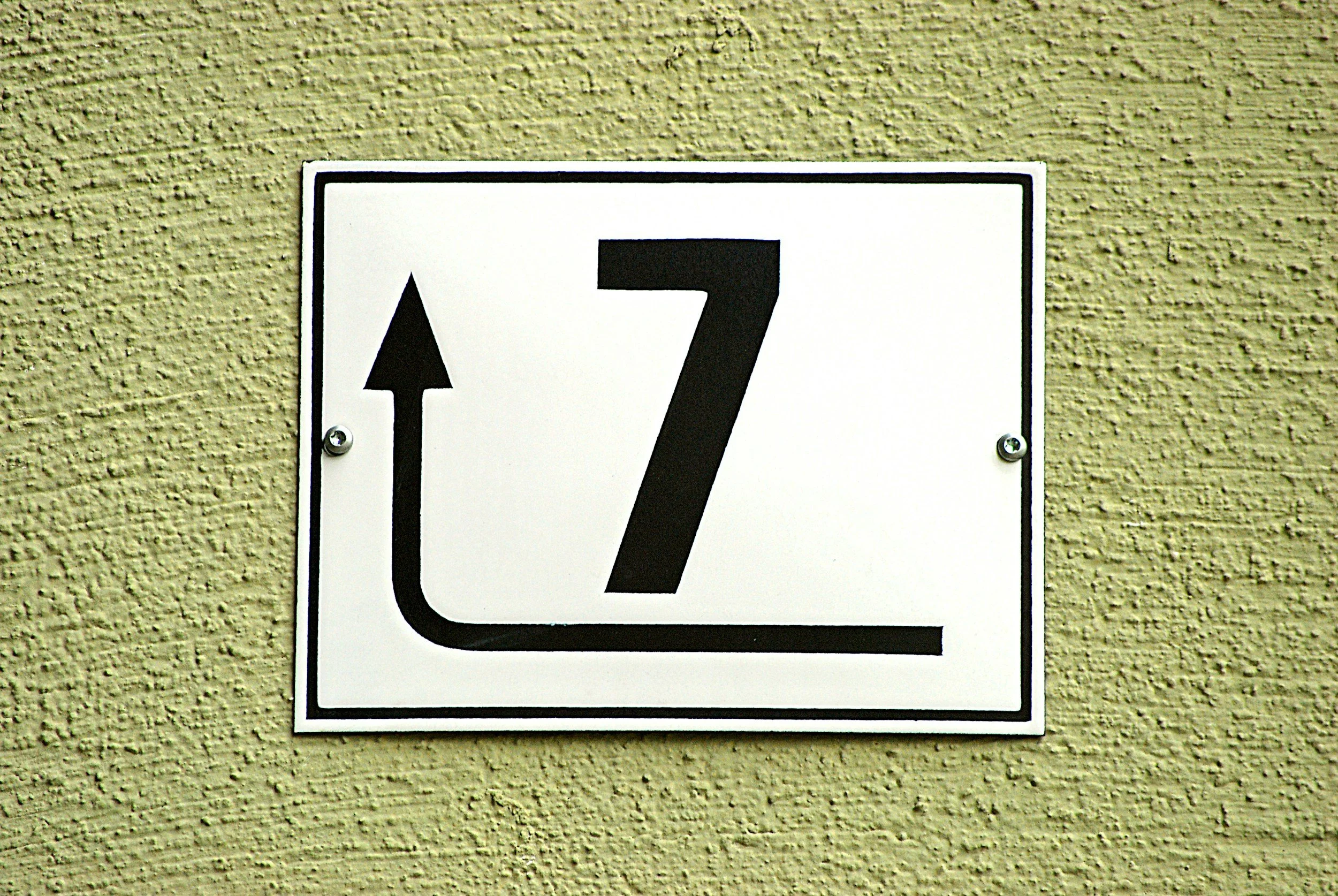
After asking a question, give your grandkid seven quiet seconds to think and respond. Not seven rushed seconds. Not seven seconds filled with hints, pointing, or repeating the question. Just seven seconds of calm, patient waiting.
At first, you’ll find that the seven seconds can feel like forever. It can feel like the room has gone silent, the book is staring back at you, and your adult brain is screaming, “Say something!”
But that silence is not empty. That silence is thinking.
Your grandson may be looking at the picture. He may be connecting the question to what he already knows. He may be searching for the right word. He may be deciding whether to point, nod, laugh, or say something out loud.
If we jump in too quickly, we take over the thinking. That was a humbling lesson for me.
Because literacy is not only about the words on the page. It is also about what happens between the adult and the grandson. It is about noticing, wondering, listening, waiting, and giving him room to respond.
That is where the power of the pause comes in.
When I ask my grandson a question now, I try to remember that the silence after the question is not a problem to fix. It is part of the learning.
He is hearing the question. Then he is figuring out what the question means. Then he is looking at the page. Then he is connecting the picture to what he knows. Then he is trying to find a word, a sound, a point, a nod, or a gesture.
That is a lot of work for a little person.
As adults, language feels automatic to us. We can hear a question, understand it, and respond quickly. Young grandchildren are still building those skills. Their brains are doing construction while we are already halfway to the next page.
When I rush in, I may think I am helping. But sometimes I am actually interrupting the thinking.
A pause says something powerful. It says, “I believe you have something to say.” It says, “Your thinking matters.” It says, “I am not in a hurry to move past you.”
That message matters.
One of the easiest ways to practice this is simple. Ask a question, then silently count to seven. Not a fast seven. Not “onetwothreefourfivesixseven.” A real seven seconds. I ask, “Where is the puppy hiding?” Then I wait.
One.
Two.
Three.
Four.
Five.
Six.
Seven.
Seven Seconds Can Feel Like Forever — But That’s Where the Thinking Happens
Our adult urge to jump in is strong. I want to give a hint. I want to point. I want to say, “Look under the table!” I want to save the moment.
But when I wait, something wonderful often happens.
My grandson looks more closely. His eyes move across the page. He leans in. He points. He whispers. He smiles. He says, “There!”
And suddenly, the moment belongs to him.
That is very different from me saying, “Is he under the table?” and having him simply agree. In the first version, I did most of the thinking. In the second version, he did.
That is the difference. A pause gives him ownership. And ownership builds confidence. This does not mean every question needs to be difficult. In fact, with young grandchildren, simple questions are often best. “What do you see?” “Where is the bear?” “Can you find something red?” “Who looks happy?”
These questions give your grandson a chance to answer by pointing, naming, noticing, or making a sound.
As grandchildren grow, the questions can grow too: “What do you think will happen next?” “Why do you think he is hiding?” “How do you think he feels?” “What would you do?”
The goal is not to quiz your grandson. This is not a test. Nobody is preparing for board book finals. The goal is connection.
A good question opens the door. The pause gives your grandson time to walk through it. I have also learned not to correct too quickly. That one can be hard.
If I ask, “What animal is this?” and my grandson says, “Dog!” when it is clearly a cow, my adult brain wants to jump in with, “No, that’s a cow.” But a gentler response keeps the conversation going. I might say, “You thought it was a dog! Let’s look again. This animal says moo. “What animal says moo?” Now he gets another chance without feeling shut down. There is a time to teach the correct word. Grandchildren need accurate language. But they also need adults who listen first.
A Pause Gives Him the Power to Own the Answer
Sometimes, my grandson’s answer is not wrong at all. It is imaginative. I might ask, “Why is the frog wearing a hat?” and he might say, “Because he’s going to the moon.”
Maybe the actual story has nothing to do with the moon. Maybe the frog is going to the pond. But before correcting the story, I can enjoy the thinking. “A frog going to the moon would need a very good hat!” That response tells him ideas are welcome. Books become a place for imagination, not just right answers.
That matters because grandchildren who feel safe answering are more likely to answer again. Grandchildren who feel heard are more likely to speak. Grandchildren who speak more hear more words. Grandchildren who hear and use more words build stronger language skills. Strong language skills support reading, writing, comprehension, and confidence.
All from a pause.
The pause is especially helpful for quiet grandchildren. Some grandchildren are quick responders. They point, shout, predict, interrupt, and narrate every page as if they are hosting their own story-time show.
Other grandchildren are quieter. They may know the answer but hesitate. They may need more time. They may not want to be wrong. They may prefer pointing over speaking. They may answer later, when everyone has stopped looking at them.
The pause gives those grandchildren space. A quiet response still counts. A point counts. A nod counts. A smile counts. A sound counts. A grandson who turns the page because he knows what comes next is participating. The pause honors different kinds of communication. And that is important because reading with your grandson should not feel like a performance. It should feel like an invitation.
Of course, pausing is harder than it sounds.
Real life is not always calm and cozy. Sometimes bedtime is late. Dinner is not cleaned up. Someone needs pajamas. Someone else needs water. The dog is barking. A sticker has mysteriously appeared on the wall. Everyone is tired, and the book you are reading has somehow become longer than War and Peace.
In those moments, the 7 seconds of silence may not happen. That is okay. Being a Literacy Champion does not mean being perfect. It means being intentional. It means noticing small opportunities.
One book.
One page.
One question.
One pause.
That is enough to begin.
After my grandson answers, I try to build on what he says. If he says, “Bird,” I might say, “Yes, a hummingbird is sitting in the tree.” If he points to a truck, I might say, “You found the truck! It is carrying dirt.” If he says, “He sad,” I might say, “He does look sad. Maybe he lost his toy.”
This gently stretches his language. He gives a small answer, and I add a little more. Not too much. Not a lecture. Just a small expansion. That is how vocabulary grows. And this is why I now believe the pause is one of the simplest and most powerful tools we have when reading with grandchildren. It costs nothing. It requires no special training. It works with any book. It reminds us to slow down and make room for his voice.
At its heart, the pause is not just a reading strategy. It is a relationship strategy. When I pause, I am telling my grandson, “I want to hear what you think.” That is a beautiful message.
I wish I had understood it sooner. I wish I had not been so quick to jump in with the answer, the hint, the correction, or the next page. But that is how we learn as adults, too. We notice. We adjust. We try again.
So now, when I read with my grandson, I try to ask less like a quizmaster and listen more like a partner.
I ask.
I wait.
I smile.
I let him think.
And sometimes the most powerful thing I can say is nothing at all.
Take the Literacy Champion Pause Challenge
This week, try the 7 seconds of silence during story time.
Ask one question, count silently to seven, and let your grandchild answer in his own way. Maybe he will point. Maybe he will laugh. Maybe he will surprise you with a new word. Maybe he will make up a story about a frog going to the moon.
Whatever happens, celebrate the thinking.
Follow CJ Corki for more simple, joyful ways to raise readers together — one book, one question, and one powerful pause at a time.