Oops! Grandma Got It Wrong: Why Making Mistakes Can Help Kids Become Better Readers

One of the easiest—and funniest—ways grandparents can help build literacy skills is by getting things wrong on purpose.
Yes, on purpose.
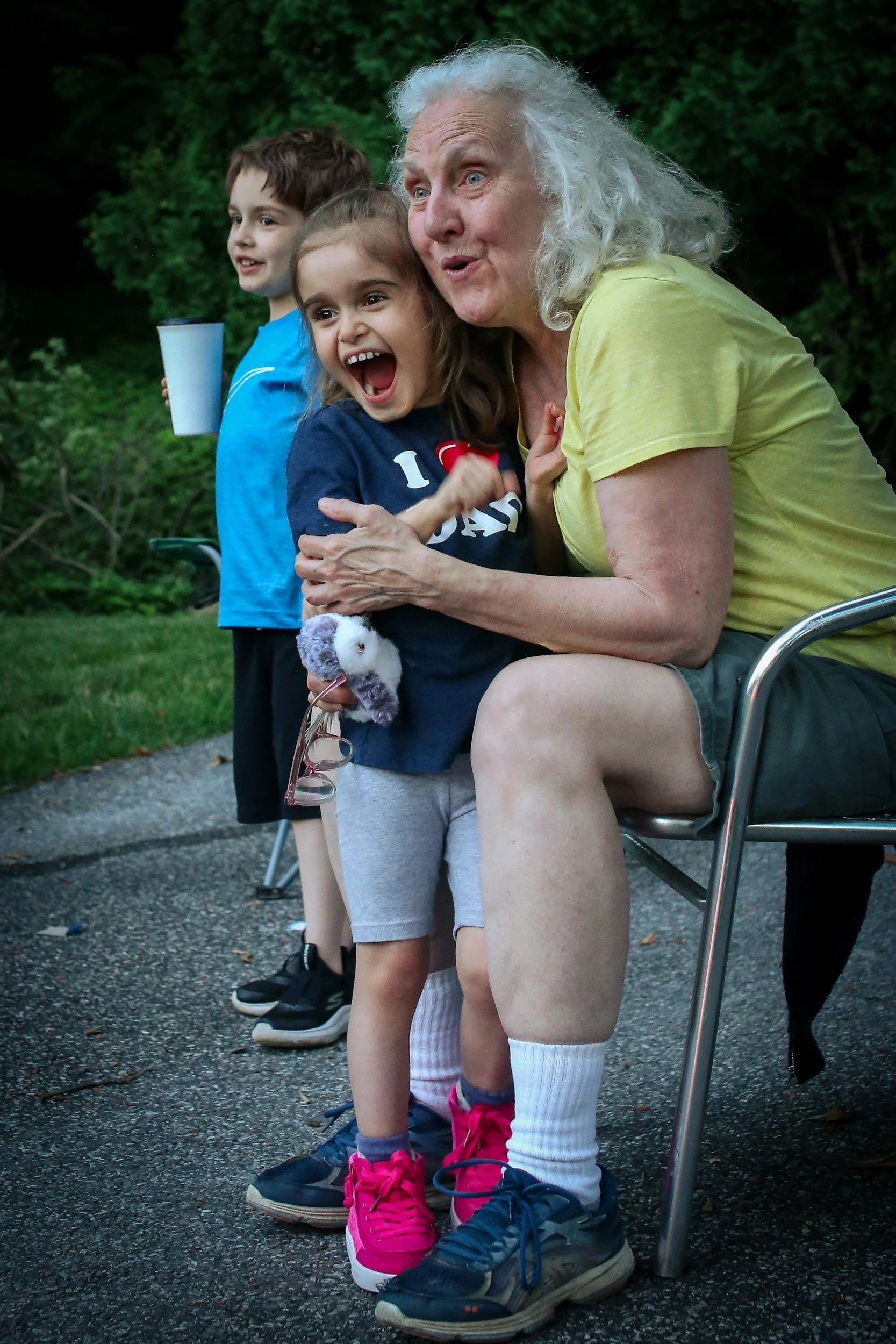
I tried this recently while visiting my grandkids, and they had a blast. I deliberately called things by the wrong name, mixed up familiar words, and acted completely confident about my ridiculous answers. They caught me every time—and were absolutely delighted to be the ones correcting Carma.
Call the dog a cat. Skip a word in a favorite story. Point to a cow and confidently say, “Look at that beautiful horse!”
Then wait.
If your grandchild is anything like mine, you probably won’t be waiting long.
“CARMA! That is NOT a horse!”
And just like that, we’re working on literacy.
Children spend a lot of their lives being corrected. Shoes go on your feet. Use your inside voice. No, the dog does not want to wear your underwear. So, there is something wonderfully satisfying about the moment when they get to correct us.
Suddenly, Grandma isn’t the expert. They are. And they love it.
The best part is that while your grandchild is busy proving you wrong, they’re using some pretty important literacy skills. They have to listen closely, remember what they already know, recognize that something doesn’t make sense, and then find the words to explain it. That’s comprehension, vocabulary, recall, communication, and confidence—all disguised as Grandma being ridiculous.
If you’re reading a book your grandchild knows well, this is especially fun. Suppose the story says, “The little bear went into the forest.” You read, “The little bear went into the... grocery store.”
Then keep going like nothing happened.
Do not look up. Do not smile. Commit to the mistake.
Chances are you’ll hear, “WAIT!”
Perfect.
Ask, “What? Did I get something wrong?”
Let them tell you. Then push it a little further with, “What makes you think he went into the forest?” Now they’re not just correcting you. They’re explaining why, and that little extra step matters.
Books aren’t the only place to play. Try it anywhere. At breakfast, ask, “Would you like mustard on your pancakes?” While getting dressed, say, “Here are your shoes. Put them on your hands.” In the grocery store, announce, “Let’s buy six watermelons for dinner.”
The more absurd the mistake, the better.
You’re giving your grandchild a reason to listen, think, respond, and explain, and you’re doing it without ever saying, “Let’s practice literacy!” Nothing makes an activity feel less fun faster than announcing that it’s educational.
Once they catch your mistake, don’t immediately say, “You’re right.” Ask them to convince you.
“Are you sure?”
“How do you know?”
“What should I have said?”
“What would happen if we really did put mustard on pancakes?”
Now the conversation grows. Your grandchild has to organize ideas, use language, make connections, and sometimes create an entirely new story. Maybe mustard pancakes become a restaurant specialty. Maybe the bear really does go to the grocery store. Maybe shoes worn on your hands turn you into a superhero.
Once imagination shows up, literacy usually follows.
As grandparents, it can be tempting to explain, correct, teach, and help. We’ve had a few more years to collect information, after all. But sometimes the best thing we can do is be quiet long enough for a child to figure something out.
When I deliberately get something wrong, I’m handing over the conversation. For a moment, my grandchild gets to be the authority. That sends a powerful message: I’m listening to you. Your ideas matter. You know things. Tell me more.
And a child who believes their words matter is more likely to use them.
There’s another twist. Sometimes your grandchild will correct you... incorrectly.
Welcome to grandparenting.
If the answer isn’t important or dangerous, you don’t always have to jump in. Instead, ask, “Hmm. What makes you think that?” or “Should we check?” or “Where could we find out?”
Now you’re helping them become curious rather than simply giving them the answer. That’s a skill they’ll need long after they learn to read.
You can turn “Grandma Got It Wrong” into a simple game. Change a familiar word while reading a favorite book. Misidentify something obvious, like calling a banana purple. Mix up a routine and announce that it’s time to brush your elbows. Finish a familiar sentence incorrectly and let your grandchild fix it. Or tell part of a favorite story wrong and challenge them to catch the mistake.
The goal isn’t to trick them. The goal is to invite them into the conversation.
That’s one of my favorite things about being a Literacy Champion. Literacy doesn’t have to look like school. We don’t need worksheets, lesson plans, or a perfectly planned activity. We need conversation. We need laughter. We need curiosity.
And occasionally, we need Grandma to look directly at an elephant and announce, “Wow. That is one enormous chicken.”
Then watch what happens.
This week, try getting something wrong on purpose. Make it silly. Let your grandchild catch you. Then, instead of simply saying, “You’re right,” ask one more question:
“How did you know?”
You may be surprised by how much thinking, talking, laughing, and learning comes from one very wrong answer.
Ready for more easy ways to build literacy without turning Grandma’s house into a classroom? Explore more Literacy Champion ideas and activities at CJ Corki—and share this blog with a grandparent who knows that sometimes getting it wrong can be exactly right.