Idioms, Giggles, and Growing Minds: How Funny Phrases Can Reveal Big Clues About Language Development
When I was little, I remember hearing grown-ups say things that made absolutely no sense.
“Cat got your tongue?”
I used to wonder what kind of cat we were dealing with and why no one seemed especially alarmed.

Then there was “piece of cake,” which felt wildly misleading because whatever I was being told would be easy usually had nothing to do with dessert. And “over the moon?” I pictured someone floating through outer space, smiling like they had just won the lottery.
Now that I am older, and maybe just wise enough to laugh at how strange language can be, I find myself loving idioms even more. They are playful, colorful, and a wonderful reminder that words do not always mean exactly what they say. For grandparents, parents, and caregivers, idioms can also be a surprisingly fun way to see how a child understands nuance, humor, and meaning.
And sometimes, when a child struggles with idioms, it may be more than just a funny moment. It can be a clue worth noticing.
Why Idioms Are Such a Fun Part of Language
Idioms are one of those little language treasures that make everyday conversation richer. They are phrases that mean something different from the actual words being said. “Hold your horses” is not really about horses. “Piece of Cake” has nothing to do with dinner.
To adults, idioms feel normal because we have heard them all our lives. But to kids, especially young children, idioms can sound completely ridiculous.

I love trying them out in conversation just to see the reaction.
If I say to a child, “You are on thin ice,” I might get a wide-eyed look and a quick glance down at the perfectly dry kitchen floor. If I say, “Well, that was a piece of cake,” I may hear, “Where is the cake?” which, frankly, is a fair question.
These moments make me laugh, but they also reveal something important. Understanding idioms requires a child to move beyond literal meaning. They have to figure out that words can carry layers of meaning. That is a big step in language development, and it tells us a lot about how a child is processing the world around them.
What Idioms Can Reveal About a Child’s Understanding
This is where idioms become more than just funny little sayings.
When children begin to understand figurative language, it shows us that they are learning to pick up on context, humor, inference, and nuance. Some children catch on quickly. Others need more time, more examples, and more repetition. That is perfectly normal.
But if a child regularly seems confused by idioms, jokes, sarcasm, or words with double meanings, it may be a clue that they are having difficulty with language processing or another learning difference. That does not mean a phrase like “cat got your tongue” is suddenly cause for alarm. It simply means these everyday moments can give us helpful information.
And clues matter.
As grandparents, parents, and caregivers, we are often the first ones to notice small patterns. We are the ones sitting beside them during story time, chatting in the car, hearing their questions at dinner, and noticing when something keeps tripping them up. We see the puzzled expression. We hear the literal interpretation. We watch how they respond when language gets playful or abstract.
That is why I think idioms are more than just fun. They are tiny windows into how a child is thinking.
Now, let me be clear. A young child taking language literally is often developmentally normal. In fact, it can be adorable. But as children grow, understanding figurative language becomes part of deeper comprehension. If that understanding does not seem to grow along with them, it may be worth paying attention and asking a few more questions.
Easy Ways to Use Idioms as a Literacy Tool at Home
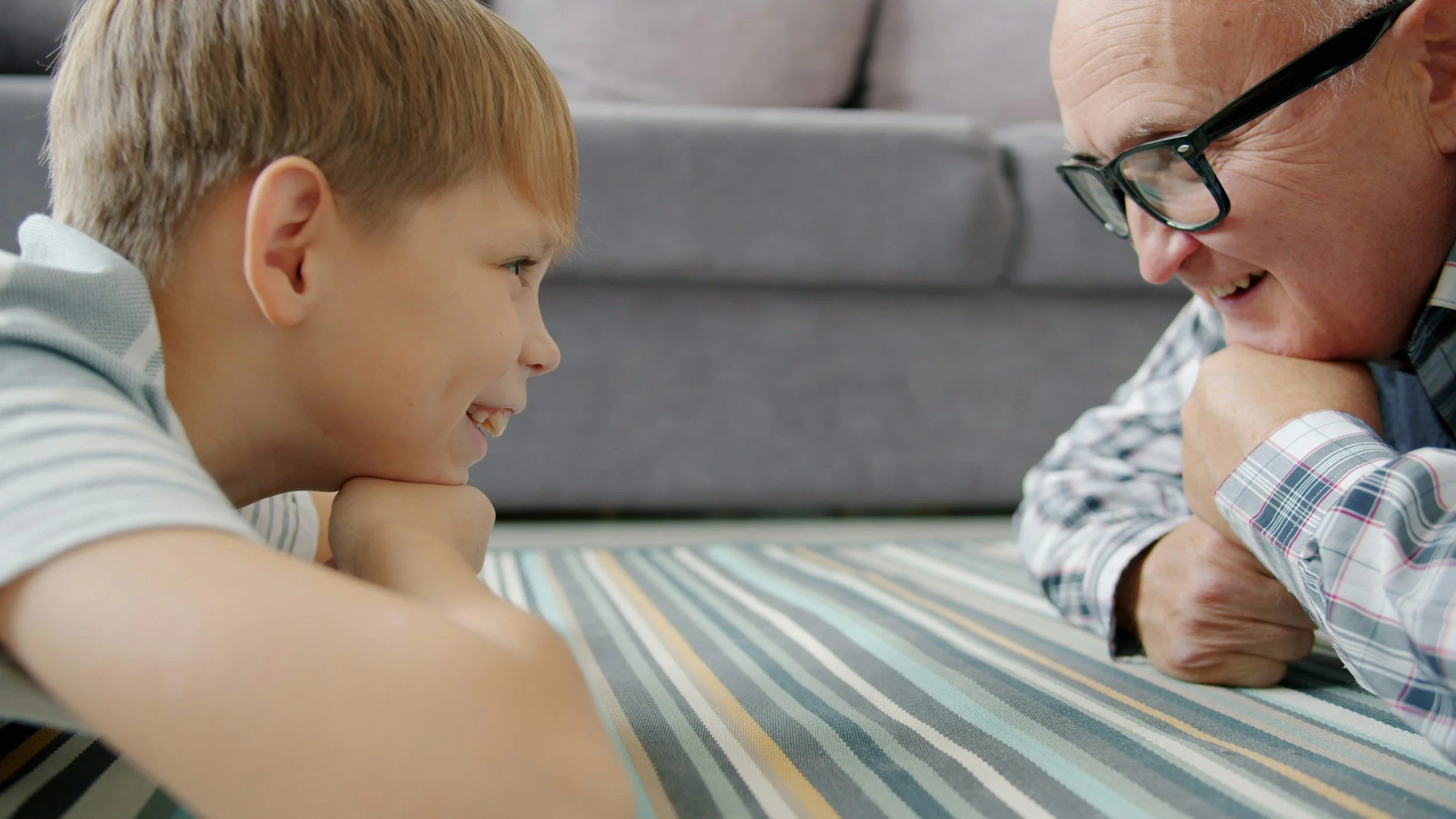
The good news is that exploring idioms does not have to feel like a test. It can feel like a game, a conversation, or one of those family moments that ends in everybody laughing.
Start with a familiar phrase and simply ask, “What do you think that means?” Then listen. Really listen. Do not rush to correct the answer, because sometimes their literal interpretation is the best part.
If a child hears “it is raining cats and dogs” and says, “That would be really bad for the dogs,” I would call that a fantastic conversation starter.
From there, you can explain the real meaning and have a little fun with it. Draw the idiom. Act it out. Make up your own silly examples. Ask when someone might say it. Compare the literal picture to the actual meaning. All of that builds language in a natural, memorable way.
Here are a few fun idioms to try together:
“Cat got your tongue?”
“Piece of cake”
“Over the moon”
“Under the weather”
“Hold your horses”
I especially love “over the moon” because it gives kids such a strong image. You can ask, “What do you think it means to be over the moon?” Some children will say it means very happy. Others will describe an astronaut. Both answers tell you something about how they are thinking.
What you are listening for is not perfection. You are listening for process.
Do they use context to guess? Do they get stuck on the literal meaning? Do they laugh and ask questions? Do they seem frustrated when the words do not line up with the meaning?
Those responses can tell you a lot.
When a Funny Phrase Might Point to Something More
If you notice a child consistently struggling with idioms or other figurative language, do not panic. Just stay curious. Curiosity gets us a lot further than worry.
Mention it to a teacher if you are seeing the same thing at home over time. If there are other communication or comprehension concerns, it may also be worth bringing up with a speech-language professional or pediatrician. Sometimes the earliest clues are tucked inside ordinary moments, and the earlier we notice them, the sooner we can offer support.
That is one more reason I love using idioms as a literacy tool. They are simple, playful, and easy to bring into everyday life, but they can open the door to deeper understanding.
And beyond all that, they are just plain fun.
They make language more colorful. They invite imagination. They help children realize that words can bend, stretch, and surprise us. In a world that often feels rushed and overly practical, idioms remind us that language can still be clever, curious, and a little weird.
I think we need more of that, not less.
As a Literacy Champion, I believe reading and language should do more than teach mechanics. They should build understanding. They should stretch thinking. They should help children notice meaning beneath the surface. Idioms do exactly that in one funny little package.
So the next time your child or grandchild looks puzzled when you say, “That was a piece of cake,” do not brush the moment aside. Pause. Smile. Ask what they think it means.

You might get a hilarious answer.
You might get a meaningful clue.
And you might just turn an ordinary conversation into a literacy-building moment.
Curious whether your child or grandchild is catching the meaning behind these funny phrases? Check out our Reading Guides: Idioms Explained for a simple, fun way to explore idioms together, build deeper understanding, and help kids enjoy the wonderful weirdness of words one expression at a time.
Because sometimes the road to stronger language skills does not start with flashcards or worksheets.
Sometimes it starts with a confused look, a shared laugh, and a child wondering why in the world a cat would have their tongue.
And honestly, that is something to be over the moon about.