Feeling Words for Preschoolers: Help Kids Name Their Fears
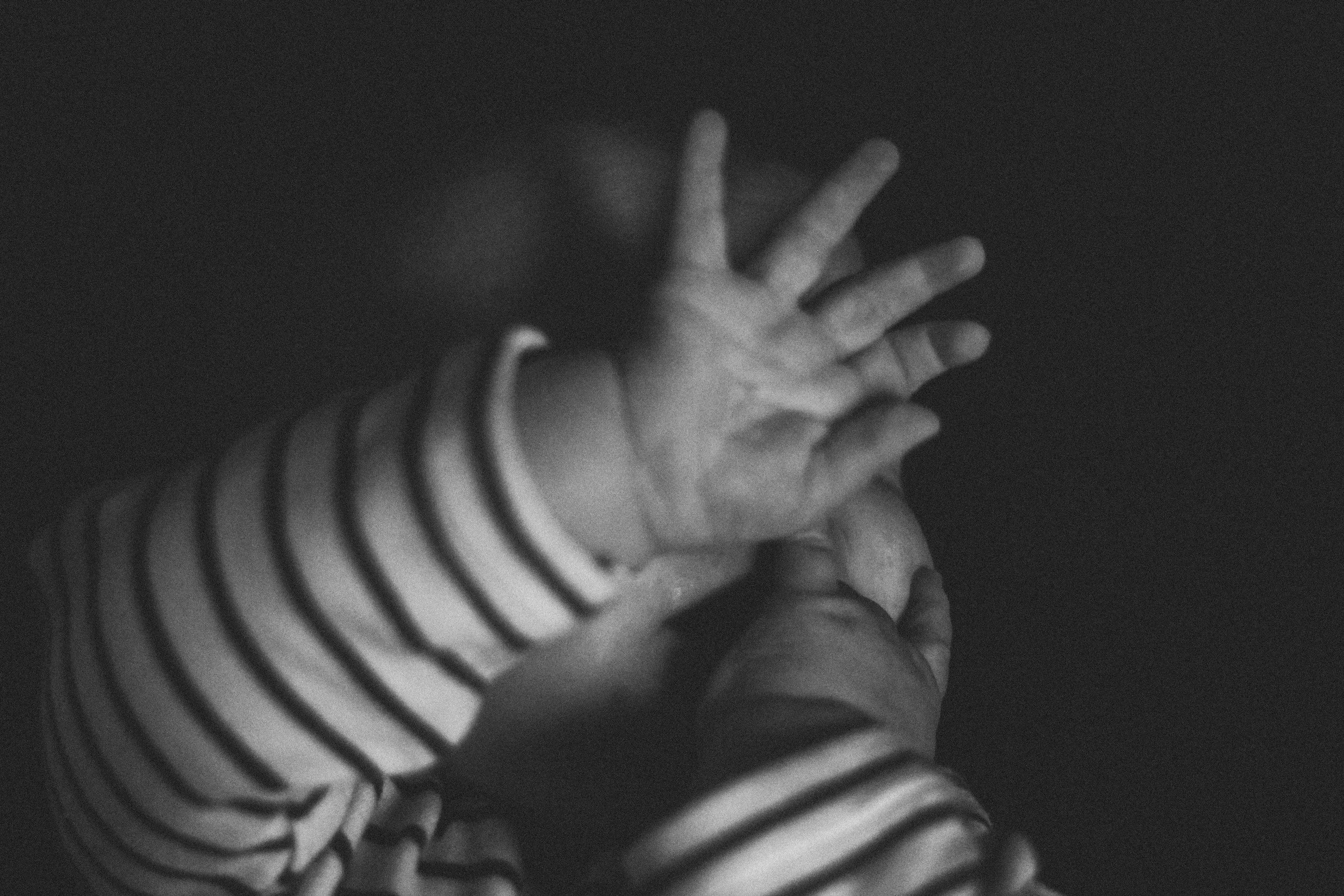
I was four years old, frozen at the top of the stairs to the basement at my grandma's house. I would not go down. All these years later, I can still see it: the dark waiting at the bottom, and the light casting a shadow where ghosts could hide.
Think back to your own childhood fears. Chances are you remember exactly how they felt, even if you couldn't have explained them at the time.
Now it is your grandchild's turn. Your granddaughter suddenly needs the hall light on, the door open, and you sitting right beside the bed. You ask what's wrong, and the answer is a shrug, a wail, or a very firm "I don't like it."
Fear is a normal part of being three, four, or five. Imagination is blooming at this age, and a shadow on the wall can easily become something with teeth. Dark, loud noises, masks, and monsters under the bed are common worries. What most preschoolers don't have yet is the vocabulary to explain what is going on inside them.
That is where you come in. Feeling words are some of the most useful words a young child can learn, and grandparents are well placed to teach them. With Halloween around the corner, costumes, decorations, and spooky stories will give you plenty of chances to practice.
Why feeling words matter for preschoolers
A child who can say "I'm nervous" has a tool that a child who can only cry does not. Naming a feeling gives it edges. It turns a big, shapeless something into something you can talk about, and something you can talk about is far less frightening.
Researchers who study emotion have found that putting a feeling into words can take away some of its intensity. Parents and teachers sometimes call this "name it to tame it." For a preschooler, the right word also means a grown-up can finally understand and help.
Feeling words are literacy words, too. A child's vocabulary at this age is a building block of later reading comprehension. Stories run on emotion: a character wants something, worries about something, or is surprised by something. Children who know these words follow the plot more easily and care more about what happens next.
And there is one more benefit. Picture books use richer, more varied language than everyday conversation does. At the dinner table, we say "scared." In a book, a character might be startled, uneasy, or trembling. Each one stretches a growing reader's vocabulary.
10 feeling words beyond "scared"
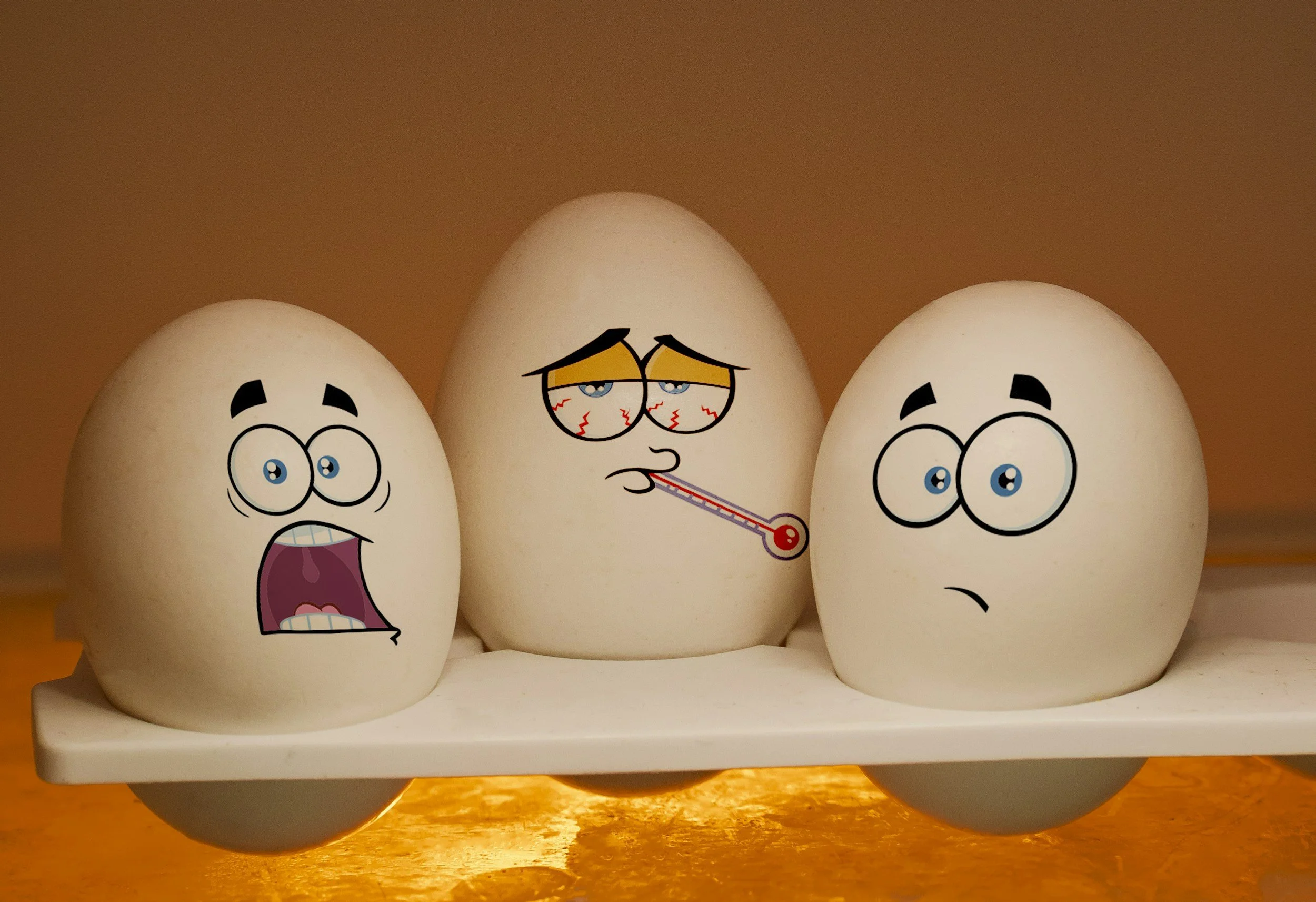
Fear comes in all sizes. A child who knows only "scared" has one word for everything from a popped balloon to a nightmare. These ten words cover most preschool fears, plus the feelings that follow when facing a fear.
Notice that "brave" does not mean "not scared." That is one of the most reassuring things a child can learn. "Curious" matters just as much, because wanting to learn more is often how fear starts to shrink.
How picture books teach feeling words
A picture book lets your grandkid look at fear from a safe distance. The scary thing is happening to someone else, on a page, while the child sits in your lap. That distance makes it possible to talk.
Books also show feelings as well as name them. A preschooler can study a character's wide eyes or hunched shoulders for as long as they like. Real faces move too fast for that.
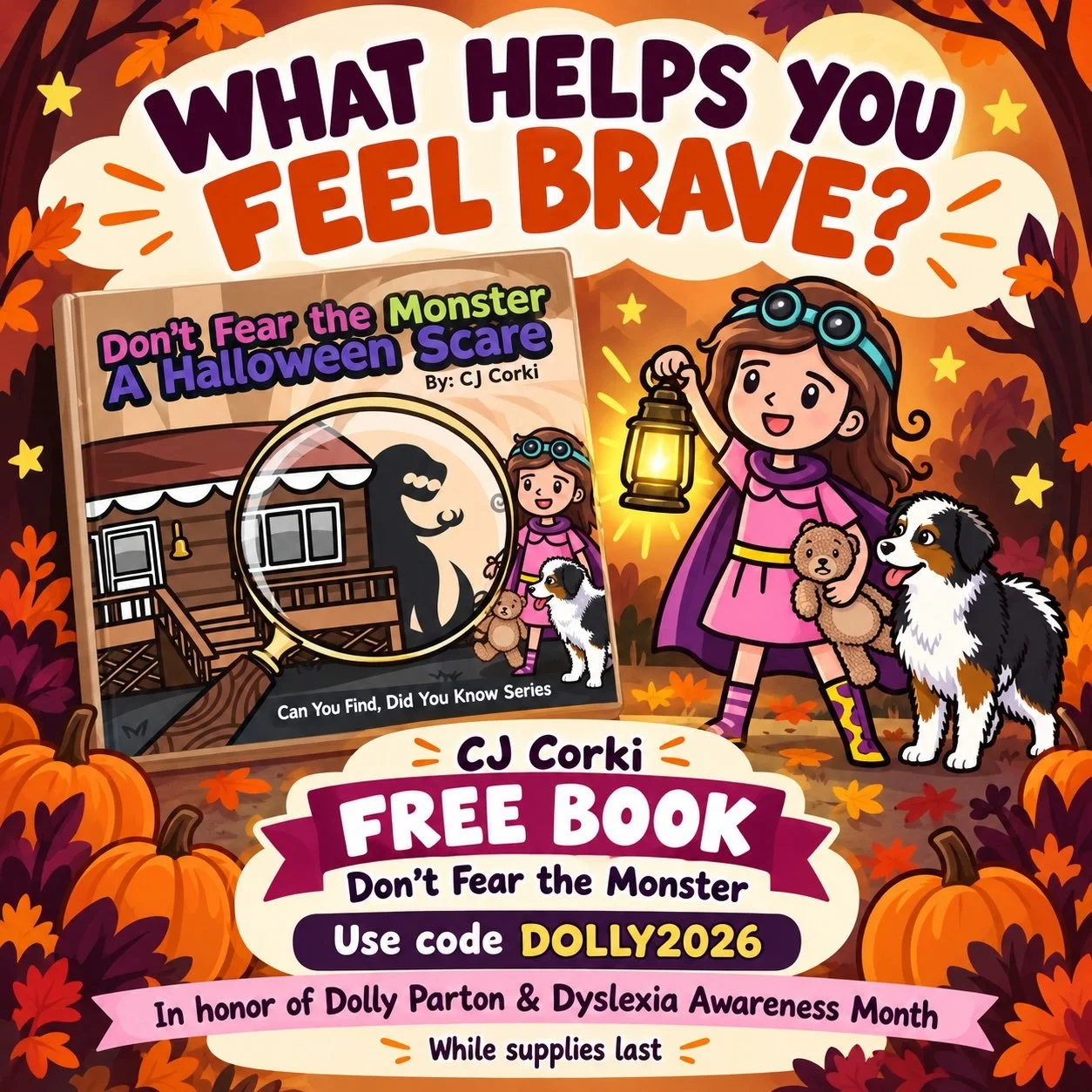
We wrote Don't Fear the Monster: A Halloween Scare with this in mind. Sage sits in the backyard by the fire pit with her grandfather and S'more, the puppy. When she is afraid, her grandfather stays close and helps her understand her fear.
That is the heart of the book: the unknown is less scary once you understand it. It also models the conversation you can have with your own grandchild. As you read, try questions like these:
"How do you think Sage feels on this page? What makes you think so?"
"Is she a little bit nervous or really frightened?"
"What does her grandpa do that helps?"
"Have you ever felt like Sage?"
There are no wrong answers. The goal is to get feeling words moving back and forth between you.
5 ways to practice feeling words with your grandchild
You don't need flashcards or a lesson plan. These five habits fit into the time you already spend together.
1. Name your own feelings out loud
Children learn words by hearing them used in real life. Let your grandchild hear you say, "That thunder startled me!" or "I felt nervous before my doctor's appointment, and now I feel calm." You are teaching the word and showing that grown-ups have these feelings too. Keep it light and brief. One sentence, a few times a day, is plenty.
2. Pause on the pictures
During story time, stop on a page where a character's face says a lot. Ask, "What is she feeling?" If your grandchild says "sad" or "scared," accept it, then offer a more exact word: "Yes, and I think she might be worried, too. Worried is when you keep thinking about something that might happen." Offering a new word works better than correcting the old one. You will probably be asked to read the same book again tomorrow, so the word will get plenty of repetition.
3. Play the feelings faces game
Take turns making a face and guessing the feeling. Start with easy ones like happy and sad, then try startled, shy, and proud. Add sounds if you like: a gasp for startled, a small "hmm" for unsure. A mirror makes it even more fun. Preschoolers love catching a grandparent looking silly, and they are learning to connect a word with what it looks like on a face and how it feels in a body.
4. Ask how big the feeling is
Fear is easier to handle once it has a size. Ask, "Is it a little scared, a medium scared, or a great big scared?" Some children like to show you with their hands. This simple scale helps a child see that not every fear is an emergency. It also sets up new words naturally: a little scared might be "nervous," and a great big scared might be "frightened."
5. Talk about it afterward
The middle of a meltdown is not the time for a vocabulary lesson. In the moment, offer comfort and keep your words few: "That was frightening. I'm right here." Later, when everyone is calm, go back to it. "Remember the dog that barked at the park? You were startled. Then you held my hand, and you were brave." Telling the story of a fear, with a beginning, middle, and end, helps a child make sense of it. It is also early practice in the storytelling skills that reading depends on.
Halloween gives you a month of practice
October hands you teachable moments on every porch. A plastic skeleton, a neighbor in a mask, a jack-o'-lantern with a crooked grin: each one is a chance to ask, "How does that make you feel?"
Let your grandchild set the pace. If a decoration is too much, cross the street and name it: "That one felt frightening. Let's look from over here." If they want a closer look, name that as well: "You're curious!" Either way, they learn that feelings can be said out loud, and that you will listen.
Costumes are worth a conversation, too. Ask who your grandchild is pretending to be and how that character feels. A child in a superhero cape often feels brave, and now they have the word for it.
What a grandparent brings
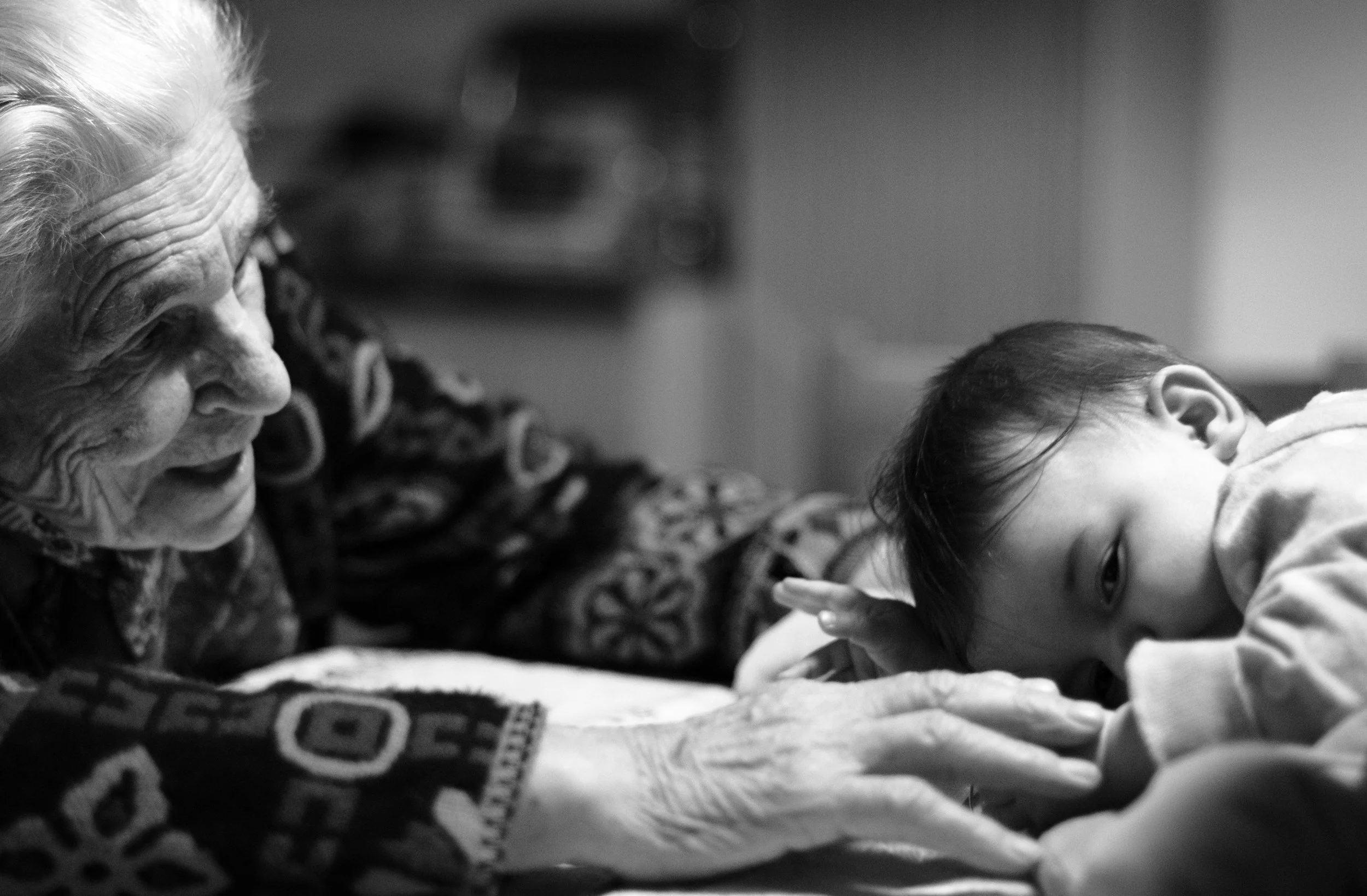
Parents are often racing the clock: to work, to preschool, to bedtime. You can offer something different: unhurried attention. A child searching for the word for a feeling needs someone willing to wait while they find it.
Most preschool fears fade with time, patience, and a steady grown-up. If your grandchild's fears seem to be growing, or are getting in the way of sleep, play, or preschool, mention it to their parents. A pediatrician can offer guidance.
For everything else, a lap, a book, and a few good words do it. We wrote Don't Fear the Monster: A Halloween Scare for exactly these kinds of moments. It is printed in the dyslexia-friendly Open Dyslexic font, and at its center is a grandfather who knows that understanding a fear is the first step to facing it.
This Halloween, pull up a chair, open a book, and ask your grandchild one small question: "How are you feeling?" Then help them find the word.