Resources and Homeschool Curriculum for Dyslexia
From how to get started, homeschooling methods, and even curriculum suggestions. A mixture of resources for you, as a parent, to successfully teach your dyslexic child.
-

Spot Strengths to Help with Dyslexia and Homeschooling
Identify a dyslexic child’s superpowers. Every dyslexic child has them. These are the things they are naturally good at and love to do. Things they gravitate to instead of avoid.
- Sports, music, art or dancing.
- Empathy toward people. They enjoy being around others.
-Storytelling, generally orally.
-Dreamers, those with imaginary friends, creative playtime.
-Making things from clay, Legos, puzzles, or anything they get their hands on.
- An acute curiosity about finding out all there is to know about a topic they’re interested in.
Use as a resource, Xtraordinary People, to find out the 7 Dyslexic Thinking Skills and see which one (or more!) your child has.
-

Dyslexia Homeschool Programs Require Patience and Extra Time
Generally it takes dyslexics longer to read and decode chunks of information. However, they flourish when given time to understand, think and respond.
Be patient and always allow:
● Time to process the assignment or question. Silence is when they are thinking.
● Time to plan their approach or think of the answer. Pause before you jump in.
● Time to respond, usually verbally but even more time is a writing response is required.
Make sure there is plenty of praise to celebrate the small things along the way.
-
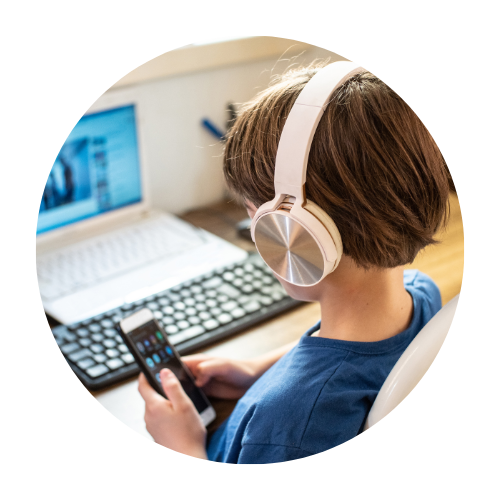
Assistive Technology for Homeschooling Dyslexia
Help level the playing field for your dyslexic student by allowing them to focus on their strengths instead of weaknesses like grammar.
● Microsoft’s Immersive Reader to read text online for English Comprehension, wordy math problems and more.
● Allow them to type their assignment on a computer by using predictive text, or spell check, can help fix spelling mistakes without the stress.
● Have them record ‘voice notes’ to answer questions verbally, to demonstrate their knowledge.
Use Homework platforms like Showbie let you do this.
-

Integrate a Multisensory Approach When Homeschooling Dyslexia
All learners love to explore with their senses like watching, listening, exploring hands on experiential learning.
● Find songs about your study topic on the internet. Youtube is a good source.
● Create goofy mnemonic to remember spellings.
● Have your child spell words in a tray of shaving foam, sand or glitter.
● Make the word in playdoh.
● Try different strategies in math like counting on fingers or counting objects.
-

The Best Homeschool Curriculum for Dyslexia Included Plenty of Praise
It is important for your child to hear positive praise. Positive Psychology suggests that we are most motivated to improve when we hear more positive than negative criticism.
It is vital to self-esteem to make sure they stay motivated to keep learning, even when things are challenging.
Dyslexic children often battle depression. They are working harder than an average child so take a break, and acknowledge their effort.
Interested in Children’s Books with Dyslexic Font, Dyslexic Workbooks, and Other Resources for Overcoming Dyslexia?