Will You Be Dancing at 80? How to Build a Healthy Life with Movement, Nutrition & Sleep

Imagine yourself in the future—10, 20, perhaps even 40 years from now. It's your 80th birthday party. Are you sitting in a wheelchair, unable to move freely? Or do you find yourself dancing joyfully with your grandchildren? Which vision resonates more with you? The reality is, the path you take today shapes the life you lead tomorrow. Your choices—the levels of activity you embrace, your nutritional habits, and the amount of rest you invest in yourself—are the keys to unlocking your future.
Envisioning Your Future Self: The Power of Today's Choices.
Imagining your future self holds significant power. Studies show that older adults who participate in future self-continuity exercises—meaning they perceive a strong connection between their present and future selves—are more likely to make healthier choices regarding nutrition, exercise, and sleep. Visualizing moments like dancing at a grandchild’s wedding or hiking at 85 fosters intrinsic motivation to maintain health today.
When was the last time you went for a run? Okay, maybe not a run, but a brisk walk? At 82 years old, my mom trained for the Marine Corps Marathon. Well, not quite. She prepared for walking in the 10 K run, which was parallel to the marathon runners. In fact, on a cold October morning, she endured the miles where she was rewarded with the full marathon medal by the Marines who saluted her finish. She came in first place in her age group. She was the only one in her age group, but that isn’t the point. She was intentionally active in her 80s.
Every day, she got up at 5:30 a.m. to meet a friend for a swim. She then proceeded to her next activity: the gym, where she used the elliptical or treadmill to get some mileage. If that was not enough, she would race walk around her lifestyle community, happily greeting everyone as she passed. Why? She wanted to participate in a team-building activity with her daughters, the Marine Corps Marathon, for Sister’s Weekend.

Grandmother and Charlotte at the Marine Corps Marathon
She also had nine grandchildren she wanted to spend time with well into their future. She envisioned attending graduations, dancing at weddings, and maybe even seeing a great-grandchild. She traveled around the country visiting them for the holidays. No need for a wheelchair like so many of her contemporaries. She was independent, mobile, health-conscious, and disciplined about her sleep. She went to bed precisely at 9:05 and awoke at 5:15 ready for her day.
Never did a drop of alcohol touch her tongue or a cigarette reach her lips. Her health was serious business. She had oatmeal with peanut butter for breakfast, maybe a light lunch. For dinner, lean chicken or fish with a vegetable. Maybe an occasional treat, dessert. When most people don’t care about their weight, she was conscientious to keep herself fit, not for her now, but for her future self.
Pillar 1: Movement — Stay Active to Stay Young
Why Movement Matters More as You Age
Growing up, physical fitness was not a priority. In fact, I didn’t start running until college to alleviate stress. Weight training was a mystery to me. However, the older I got, the more I read about the importance and challenges of building muscle mass as we age. If you don’t intentionally stay active, your strength, balance, and flexibility decrease. Think about how many people struggle to get up from a chair or lift a suitcase to the overhead compartment on an airplane. More importantly, consider lifting a grandchild for a huge hug. Which choice would you make: putting in the hard work now, or losing the ability to hold a grandchild?
Types of Movement for Lifelong Vitality
Now that you are visualizing what you will be doing at 80, what can you do now to make that happen? Step one: walk for at least 30 minutes a day, building up to 10,000 steps. I enjoy running those miles, but walking is just as effective for impact activity. Swimming is fine, but you need some type of impact exercise to strengthen your bones. Also, include some strength training three days a week with the 5-5-30 routine: five pushups, five squats, and a 30-second plank every day. Why? The pushups help you lift yourself off the ground after playing with your grandchild. The squats assist you in getting up from a chair easily, and the plank helps you raise yourself out of bed to start your day.
Once you are ready to advance to the next level, consider working with a trainer using free weights to avoid injury. And of course, always check with a doctor before starting any exercise. Think about what you need to do to maintain an active, independent lifestyle. Do what is called suitcase carries, where you walk with a heavy weight in one hand, then switch to the other for the same distance. This is exactly what it sounds like: being able to carry your own suitcase. Discuss your lifestyle goals with your trainer to create a routine that aligns with your vision for your future self.
Pillar 2: Nutrition — Fueling the Body for Longevity
What You Eat Today Shapes Your Health Tomorrow
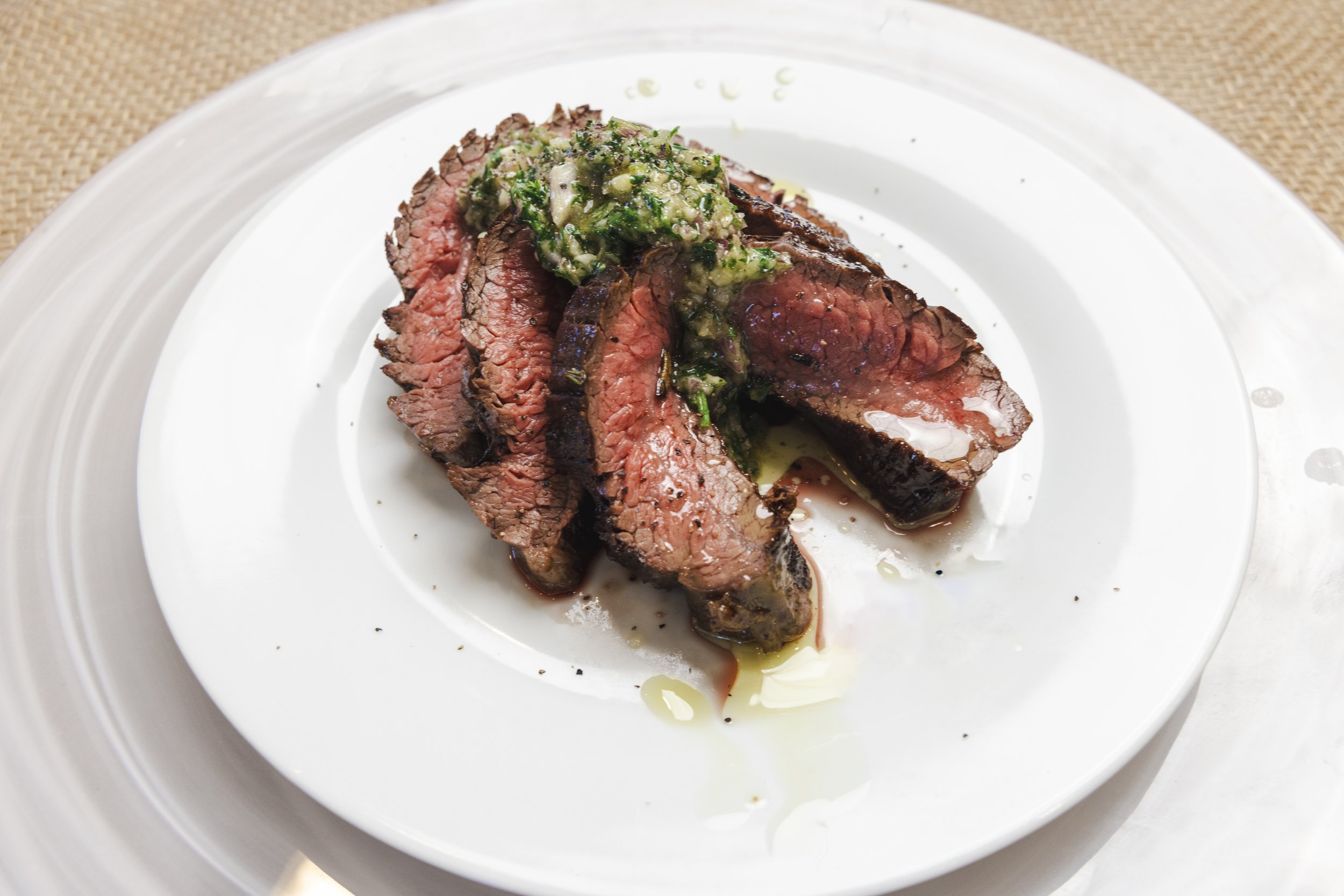
Since I was sixteen years old, I have been a vegetarian. Getting enough protein has always been an issue for me. Although I added fish to my repertoire over the years, what I thought was healthy, clean eating still wasn't enough. After meeting with a skilled nutritionist, she taught me some valuable lessons. First, you should eat 0.8 to 1.0 grams of protein times your ideal body weight. So, if you weigh 120 lbs, eat 96-120 grams of protein. Am I blowing your mind? When she told me that, I realized I wasn’t even close to getting enough protein. What is the best source of protein? Beef! But wait, I am a vegetarian.
I'm not saying you should drop your eating philosophy if you are vegan or vegetarian, but considering how much food you would need to consume to get that amount, beef might be worth considering. Fortunately, we raise our own Wagyu beef, so I have reintroduced it to my diet. However, I still won’t eat beef or pork unless I know where or how it was raised. Living around farms makes that easier, so I never have to buy protein from the grocery store. But you decide how to best get your protein.
Key Nutritional Needs for Grandparents
To keep those muscles strong, it’s essential to get plenty of protein, but don’t forget about calcium and vitamin D for healthy bones! I gave up milk a while ago, but guess what? I’ve rediscovered cottage cheese! I hadn’t had it in years, and now it’s a daily delight for me. It’s packed with protein, too! I also take a vitamin D supplement, but I’ve learned that soaking up some sunshine is fantastic for both boosting your mood and soaking up those vitamins. We try to enjoy a good amount of fish each week, but I also love adding Omega-3s to support my brain and joints. And let's not overlook the importance of fiber and staying hydrated for our digestion. I recently read that drinking 16 ounces of water first thing in the morning can really help rehydrate our bodies after a night without fluids. It boosts metabolism, supports digestion, and might even be a little help with weight management! Cheers to healthy living!
Designing a Sustainable, Healthy Diet
One of the biggest ways to derail healthy eating is waiting until you are starving to decide what to eat. You will go for the first and easiest thing you see. I used to have salsa and organic chips as a snack between meals until I realized the amount of carbs and calories in the chips and the sugar in the salsa. Meal planning is a great way to stay on track, and having a grocery list prevents you from grabbing unwanted foods just because you're hungry instead of healthy options.
Get the family involved, especially the grandkids, in your meal planning! Chatting with them about nutrition early on can help them build better habits, even if it doesn’t always go perfectly. I remember a funny moment with my mother-in-law when she made tofu cheesecake as a treat for her grandkids. My son exclaimed, “Grandma, this tastes terrible!” which led to laughter around the table from the adults who were too polite to comment. Remember, it’s all about offering clean, unprocessed foods instead of our usual go-to, macaroni and cheese from a box!
Pillar 3: Sleep — The Silent Healer
The Underrated Pillar of Healthy Aging
Quality sleep is essential for maintaining cognitive sharpness, hormonal balance, and physical repair—three critical elements of aging gracefully. During deep sleep, the brain consolidates memories, clears metabolic waste, and supports emotional regulation. At the same time, essential hormones like growth hormone and melatonin are secreted to aid tissue repair, immune function, and circadian rhythm alignment. However, many older adults face sleep disruptions due to changes in circadian rhythms, medical conditions, or increased sensitivity to environmental stimuli. Issues such as frequent nighttime waking, difficulty falling asleep, or conditions like sleep apnea and restless leg syndrome are common. Addressing these challenges is key to optimizing the restorative power of sleep.
Sleep Hygiene for Longevity
Creating the right environment and routines for sleep is crucial for long-term health and vitality. An ideal sleep environment is cool, dark, and quiet, with comfortable bedding and minimal noise disruptions. Establishing consistent nighttime habits—such as winding down with a book, taking a warm bath, or practicing light stretches—can signal your body that it’s time to sleep. Managing exposure to blue light from phones and screens in the evening is also key, as it disrupts melatonin production and delays sleep onset. Additionally, avoiding stimulants like caffeine in the late afternoon and finding healthy ways to manage daily stress, such as through meditation or journaling, can significantly improve sleep quality and overall well-being.
Grandparenting as a Motivator for Healthy Living
The three pillars of health: movement, nutrition and sleep are keys to healthy living. And visualizing yourself as an active grandparent increases the probability of success. A good way to help you visualize is to create a vision board. Here are some prompts to consider:
Vision Board Picture Prompts:
1. What do I want my body to feel like at 80?
2. What kind of activities do I want to enjoy with my grandchildren?
3. How do I want to look and dress at my 80th birthday party?
4. What foods nourish me and bring me joy?
5. Where do I want to live or spend most of my time?
6. What is a perfect day in my future healthy life?
7. Who is around me celebrating at 80?
8. What words or affirmations guide my wellness journey?
You can find pictures in magazines, on the internet, or even old photos from when you were younger and more active. Once you’ve gathered them, make a collage of them. Then, place your collection somewhere that inspires you. I took a picture of my vision board and set it as my computer background, but you can choose the best spot for yours.
Conclusion: Will You Be Dancing at 80?
The journey to dancing at your 80th birthday begins with the small but powerful choices you make today. By embracing the three pillars of health—movement, nutrition, and sleep—you are laying a strong foundation not just for a longer life, but for a life filled with energy, joy, and purpose. Whether it's joining your grandkids for an afternoon stroll, preparing a wholesome meal, or simply ensuring you get restful sleep each night, every step matters. Aging vibrantly isn't just about adding years to your life—it's about adding life to your years. Start now, believe in your future vitality, and remember: your best dance is still ahead of you.
FAQs
How can I start exercising safely in my 60s or 70s? Start with low-impact activities such as walking, water aerobics, or chair yoga. Consult a doctor before beginning any new routine, and consider working with a physical therapist or certified trainer specializing in older adults.
What are easy meals for nutrient-rich eating? Focus on simple dishes like vegetable stir-fries with lean protein, oatmeal with nuts and berries, and grilled fish with steamed greens. Batch cooking soups, stews, and roasted vegetables can save time and boost nutrition.
How much sleep do older adults really need? Most adults over 65 need 7–8 hours of quality sleep each night. Prioritize consistent bedtimes, a relaxing pre-sleep routine, and a dark, quiet sleep environment.
Can I still improve my health if I’ve been inactive for years? Absolutely. It's never too late to start. Even moderate increases in activity, better food choices, and improved sleep can yield noticeable benefits in energy, mood, and physical function.
How do I involve my family in my health goals? Invite family members on walks, cook meals together, or share your goals with them for accountability. Use your journey as a way to inspire younger generations to value health.