What Kids Learn When You Name Their Stuffed Animals: 6 Big Benefits
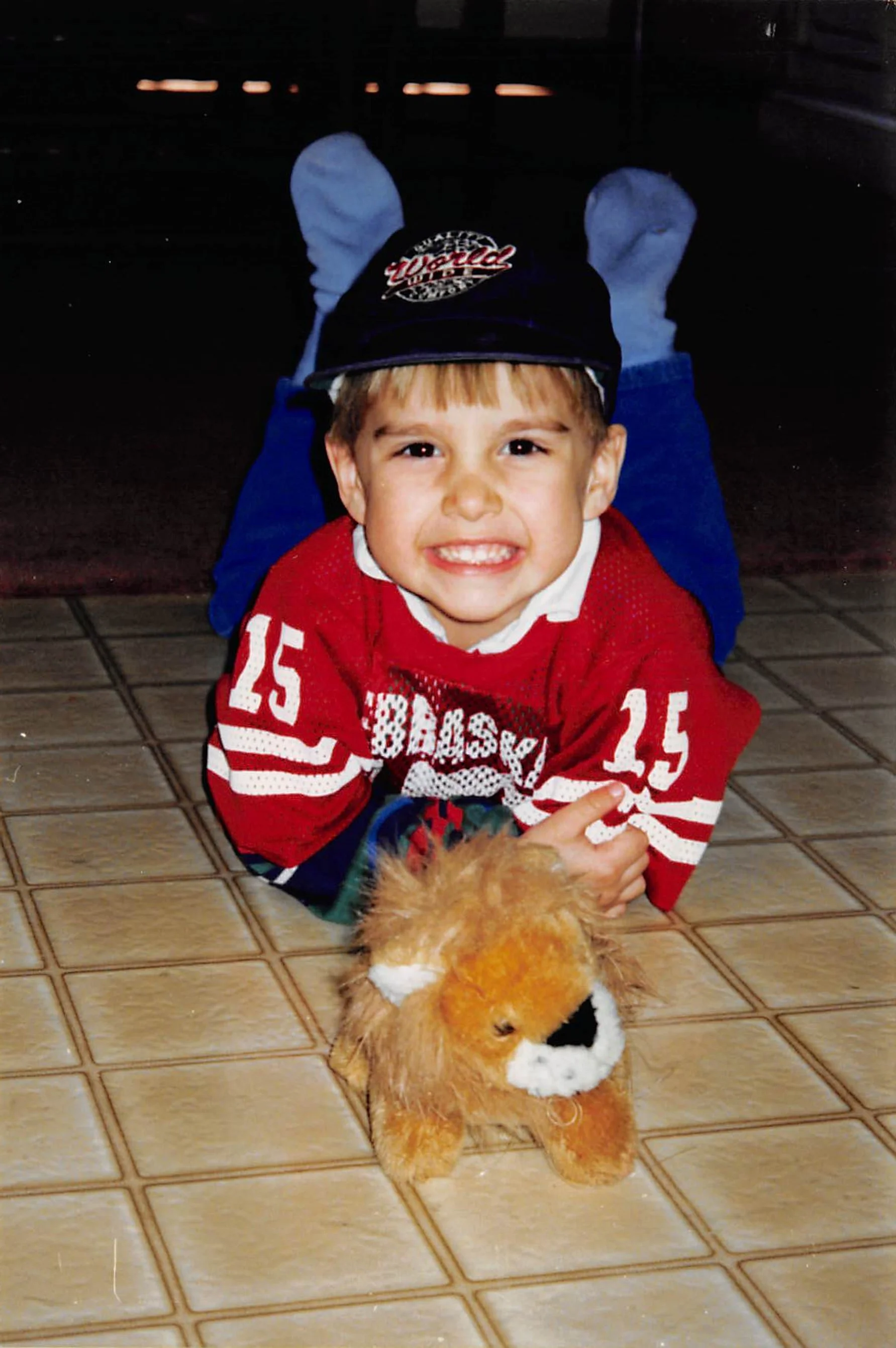
Simba – made famous by The Lion King
Alright, let’s be honest, if you’ve ever sat down with a toddler and asked them what their teddy bear’s name is, chances are you’ve gotten something like “Mr. Fluffy” or “Captain Snuggles.” Cute, right? But here’s the thing: naming stuffed animals isn’t just an adorable pastime. It’s actually a surprisingly powerful learning tool.
Although my boys had many stuffed animals, I never realized the benefits of actually naming them. Our youngest, Mason, had a stuffed frog he called Ribbit. It was his way of communicating at two years old. I, in turn, called it Mr. Frog to help him connect the sound a frog makes with the actual name of the animal. Small lesson, yes, but the beginning of more literacy lessons through play.
From language development to emotional intelligence, stuffed animals can become tiny, plush teachers when we get kids involved in the naming process. Let's unpack how this playful little ritual can do big things for your child's growth.
1. Learning About Different Types of Animals
Before the fun of naming begins, many kids are introduced to animals themselves, whether it’s a lion, elephant, frog, or even a mythical creature like a dragon. Through stuffed animals, they’re exposed to the rich and diverse animal kingdom. Charlie Kirk’s wife recently shared that her husband, the founder of Turning Point USA, had a soft spot for the platypus. What a fun word for his kids to learn and an animal most children have never heard of.
Why this matters:
It builds animal recognition and vocabulary: “This is a sloth. Sloths are slow and live in trees.”
It sparks curiosity about habitats, diets, and characteristics: “Why does the penguin have wings if it can’t fly?”
You can even weave in fun facts: “Did you know kangaroos can’t walk backward?”
Pro tip? Pick a variety of stuffed animals, not just the usual suspects like bears and bunnies. Go exotic, think platypus, armadillo, or narwhal. Let them name those and watch their imaginations bloom!
2. Learning to Rhyme and Play With Language
Naming animals can also turn into a language game. Ever heard of “Larry the Canary” or “Mick the Chick”? Rhyming names aren’t just catchy, they’re fantastic for early literacy skills. Play on words could also be fun. My friend named her dog “d-o-g,” which she spelled instead of pronouncing it.
How it helps:
Boosts phonemic awareness: recognizing and manipulating sounds in words.
Makes naming more interactive: “Can we think of a name that rhymes with ‘duck’?”
Encourages silly, creative wordplay: even nonsense rhymes like “Bobo the Frogo” have value.
So next time you're naming a stuffed animal, turn it into a rhyme challenge. Bonus points if you sing it!
3. Strengthening Memory and Recall Skills
Once a stuffed animal is named, your child has to remember that name, and maybe even a backstory or a set of traits.
Some parents even add an extra layer of fun by giving each plushie a unique voice, favorite food, or “job.”
This enhances:
Short and long-term memory
Sequencing skills (especially if there's a “family” of stuffed animals)
The ability to connect names with characteristics
You can even quiz them:
“Where is Doctor Bunny?”
“What’s Super Rex afraid of again?”
“Which animal helps you sleep when you’re scared?”
These small recall games subtly introduce learning without making it seem like work. Our family favorite when the kids were little was Beanie Babies. Patti the platypus was one of the first beanies. Snort the bull helped us start with themes, and then we added to them by creating longer sentences to expand their vocabulary.
“Snort the bull may have looked big and strong, but he loved nothing more than sitting quietly beneath the shady tree, sniffing the sweet-smelling wildflowers and watching butterflies dance in the warm breeze.”
4. Learning Animal Sounds and Behaviors
Stuffed animals are the perfect gateway into learning about real animals, especially their sounds and behaviors. Once kids know that their stuffed tiger is called “Roary,” they’ll want to know what tigers do.
This leads to:
Mimicking animal sounds: “What sound does Roary make? ROAAARRR!”
Acting out behaviors: crawling like snakes, hopping like frogs
Making animal sounds part of imaginative play and storytime
And yes, it gets loud, but it’s worth it! Mimicking sounds strengthens auditory discrimination and language development.
5. Sparking Creativity Through Naming and Imaginary Play
Let’s be real, kids have a whole universe in their heads. Naming their stuffed animals is just the beginning of creating that universe.
Give them the space to invent:
Backstories: “This is Princess Lulu. She used to live in a cotton candy castle.”
Roles: “Captain Meow leads the Animal Pirate Ship.”
Adventures: “Flopsy went to the moon with her best friend, Alien Bear.”
This taps directly into their creative thinking, problem-solving, and storytelling skills.
Plus, when kids co-create names with you, they feel empowered. It’s their little world, and they’re running the show.
6. A Safe Avenue for Talking About Emotions
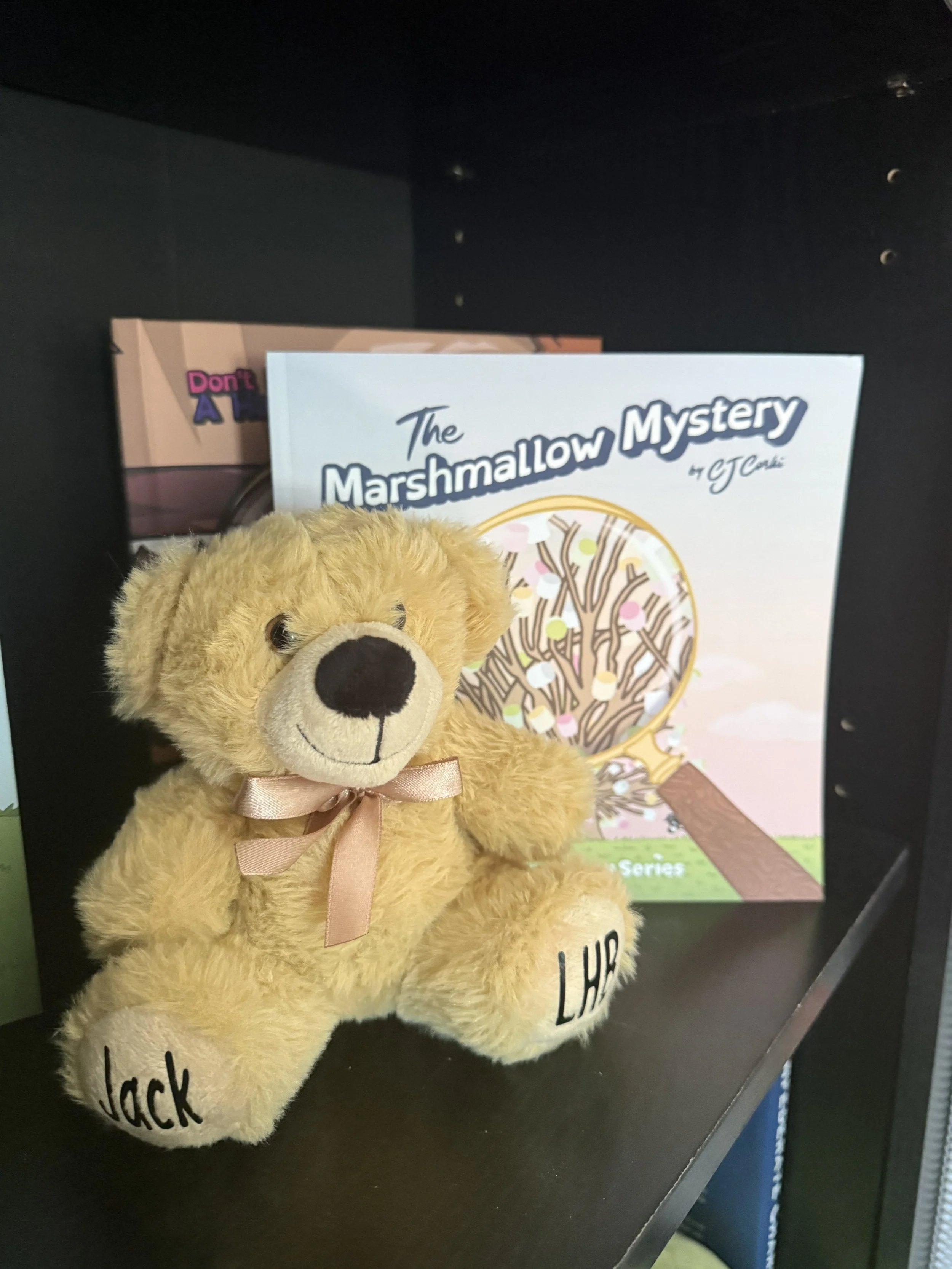
Jack from the Can You Find, Did You Know Series by CJ Corki
Here’s the hidden gem of naming stuffed animals: it opens the door to emotional expression. Children often project their feelings onto toys, making stuffed animals incredible tools for emotional development.
Here’s how it plays out:
“Benny Bear is sad because no one played with him today.” (Maybe your child is feeling lonely.)
“Fizzy the Fox is scared of the dark.” (That fear might feel a little too big to say out loud.)
“Dino Dan is mad because his block tower fell down.” (Hmm, sound familiar?)
When you talk to or through their stuffed animals, kids feel safer sharing tough emotions. It creates emotional distance while still allowing expression.
This simple act helps teach:
Emotional vocabulary: sad, nervous, frustrated, excited
Empathy: understanding how others (even plushies) might feel
Self-regulation: learning to soothe and comfort
Some parents even use stuffed animals during tantrums to help talk kids down gently: “What would Fuzzy Duck do when he feels this way?”
Bonus: Try This Naming Game at Home
Here's a fun way to bring all these learning benefits into your routine:
The Stuffed Animal Naming Ceremony
Lay out a few new or “mystery” animals.
Let your child choose one and give it a name (rhyme optional!).
Ask: “Where do they live? What do they like? What sound do they make?”
Create a little backstory together.
Use that animal in bedtime stories or playtime.
You’ll be amazed at how quickly this becomes a favorite activity—and how much your child grows from it.
FAQs: Stuffed Animals, Names, and Learning
Q: Is it okay if my child changes the stuffed animal’s name every day?
Absolutely! That’s part of the creative process and identity exploration. Just roll with it.
Q: My child doesn’t want to name their toys. Is that bad?
Not at all. Some kids are more into visual or physical play. You can still engage by giving names yourself and seeing if they join in later.
Q: Are there any educational toys that work well with this method?
Yes! Look for interactive plush toys that include animal sounds, songs, or even recording features, allowing kids to name and interact with them.
Wrapping It All Up
Who knew something as simple as naming a stuffed animal could unlock so many developmental doors? From language and memory to creativity and emotional growth, these fluffy friends are way more than just toys.
So next time your kid hands you a stuffed frog and asks, “What should we call him?”go all in. Name him. Talk about his dreams. Give him a silly voice. You’re not just playing, you’re building brains and hearts, one plush at a time.
Wanna keep the creativity flowing?
Try keeping a “Stuffed Animal Journal” where your child draws their animals and writes (or dictates) short stories about them.
You’ll have an adorable keepsake and sneak in some writing practice.
Got a funny or heartwarming story about naming stuffed animals? Drop it in the comments! Let’s share the fluff.