The Thumb-Sucking Chronicles: A Kid's Determination, A Parent's Dilemma, and a Grandparent's Role in the Battle Against the Thumb

Welcome to the wild and wacky world of thumb-sucking—a journey filled with cunning toddlers, baffled parents, and doting grandparents who just want to help without stepping on toes (or thumbs). If you've ever seen a child suck their thumb, you know this is no small habit. It's an art, a science, and sometimes, an act of rebellion.
I was never a thumb sucker, so I can't tell this tale from the memories of my youth, so it was a quandary when I was thinking about what makes thumb-sucking such a big deal?
For starters, it's natural—babies regularly suck their thumbs in the womb. It's soothing, it's self-regulating, and my grandson sucked his thumb as early as I can remember.
There is, however, one silver lining: it was a great pacifier when they flew across the country to visit, which, all things being equal, beats screaming his lungs out on a flight. But as those cute babies become toddlers, thumb-sucking can become a habit affecting teeth alignment, speech development, and—let's get real—parental sanity.
Parents know they're in for a showdown when they say, "No more thumb-sucking!" What they might not realize is that kids are creative problem-solvers. Case in point: my grandchild and the infamous thumb-sucking glove. This piece of high-tech parenting gear is designed to stop thumb-sucking by covering the thumb, rendering it unsuckable. Except my clever little grandkid turned the glove into a thumb-sucking accessory. Glove on, thumb discreetly pulled out and put in mouth—mission accomplished.
Why Do Kids Suck Their Thumbs?
Comfort is the name of the game with thumb-sucking. It's a portable, personal security blanket attached to their tiny hand. The habit often starts as a way to self-soothe in infancy and becomes a fallback mechanism for stress or boredom. Note to reader: Keep in mind this is not a medical opinion but one of a grandma watching from the sidelines.
When kids are told to stop, the thumb-sucking battle begins. Some kids will comply reluctantly; others will enter full stealth mode. Parents might think the habit is broken until they walk in on a child hiding his right hand behind his back. Sucking their thumb is starting to be like it's a covert operation.
The Thumb-Sucking Glove Chronicles
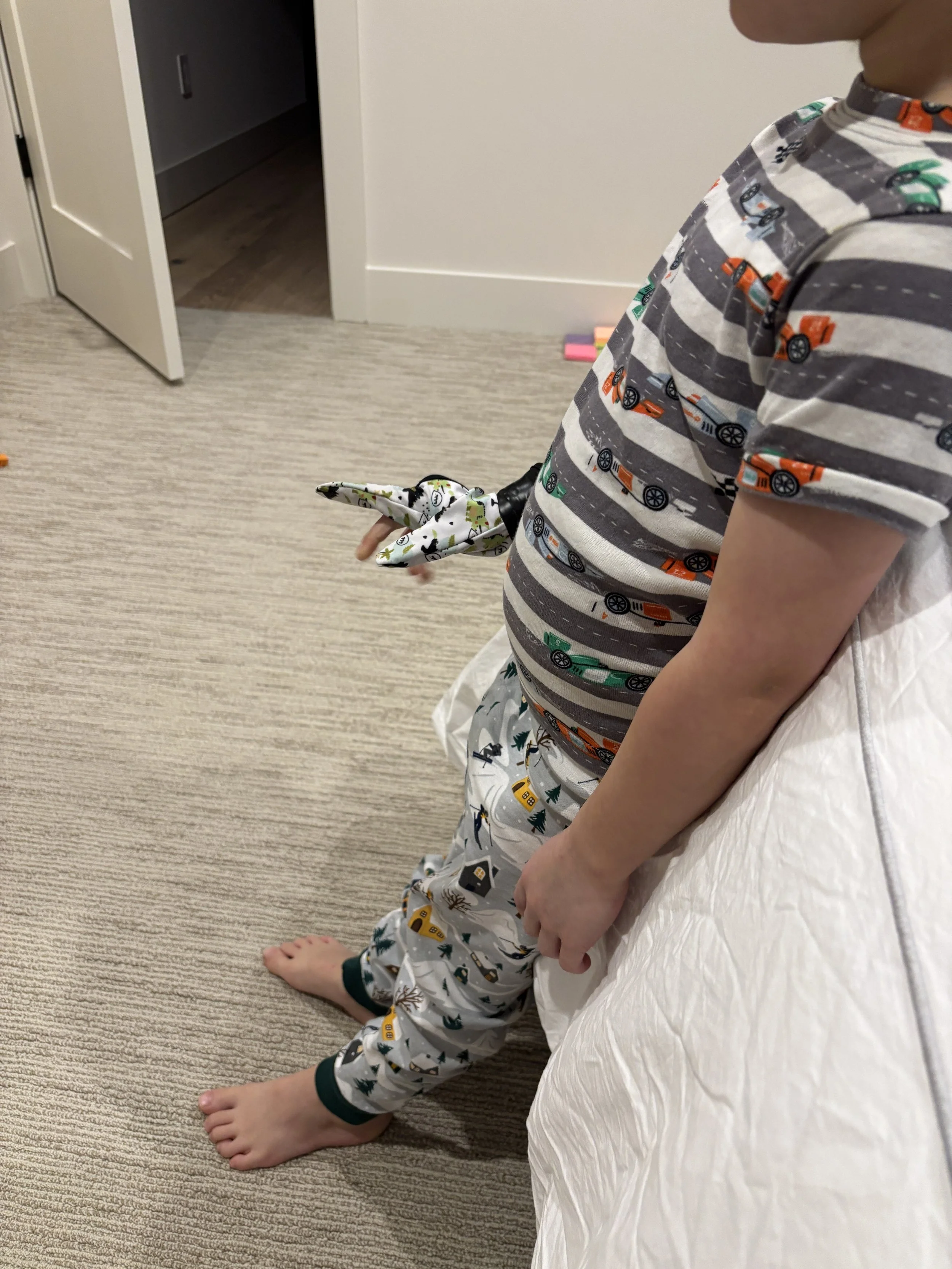
Let's take a moment to appreciate the genius of your grandkid. Given a thumb-sucking glove—a device scientifically engineered to stop the habit—this child thought, Challenge accepted! Rather than discarding the glove, they mastered the art of pulling the thumb out from its confines and back to sucking their thumb with the glove on! Talk about perseverance!
This creativity isn't a failure; it's a testament to the human spirit. Your grandkid isn't just thumb-sucking; they're innovating. Sure, it's frustrating for the parents, but you can't help but admire their ingenuity.
The Role of Grandparents in the Thumb-Sucking Saga
This is where grandparents come in. We may bring wisdom from personal experience, or maybe we bring the patience of a saint. So, how can we support the parents without becoming the bad guy?
1. Be the Neutral Party: It's tempting to tell your grandkid, "It's okay, sweetie, thumb-sucking isn't that bad!" But this can undermine the parents' efforts. Instead, empathize with both sides. "I know it's hard to stop, but let's see if we can work on it together!"
2. Break the Tension with Humor: Kids listen to humor far better than they do to lectures. If they're sneaking thumb time, make it funny: "Whoa! Is that a thumb I see or a secret agent?!" Laughter can diffuse resistance while keeping the habit top of mind.
3. Celebrate Small Wins: If your grandkid goes a whole night without thumb-sucking, throw a mini party. Reinforce their success with a sticker chart or some other fun visual reward system.
4. Support the Parents' Rules: Even if you secretly think the glove is a little silly, respect the parent's decision to use it. Your grandkid might find ways around it, but it's about the effort, not perfection.
Making It Fun

Stopping thumb-sucking doesn't have to be all discipline and frustration. Here are a few creative strategies:
1. Thumb Fairy: Like the Tooth Fairy, but for thumbs. The Thumb Fairy leaves notes or tiny prizes for a job well done.
2. The Thumb Jar: Every time they resist the urge, put a coin or small toy in a jar. Watch the collection grow as a tangible reward for their effort.
3. The Thumb Superhero: Turn their thumb into a character that's "on vacation" or "off-duty." "Oh no, Thumbelina's taking a nap! Let's not wake her up!"
300 Days to a Puppy: The Ultimate Motivation

Here's where things get serious: a deal was struck. No thumb-sucking for 300 days, and your grandkid gets a puppy. Forget negotiation tactics—this is high stakes. Puppies are the ultimate motivator, and your grandkid now has a mission.
But 300 days is a long time for a child, and eventually, old habits die even harder. You can help by being their cheerleader: make a countdown calendar with them, share loads of fun facts about puppies in general, and remind them that every day without giving in brings them closer to those floppy ears and wagging tails at the end of the project.
What About that Puppy?
If your grandkid makes it to 300 days, you're probably as excited about the puppy as they are. But this journey isn't just about the furry reward; it's about resilience, self-control, and learning that hard work pays off.
And if they fall short? Well, maybe a stuffed puppy isn't a bad consolation prize.
A Final Word to Grandparents

Thumb-sucking is a phase, not a personality trait. With patience, humor, and a touch of creativity, your grandkid will move past this habit—glove or no glove. Your role is to support without pressure, encourage without judgment, and sneak in a little fun along the way.
As you navigate this journey, remember that every thumb-sucking phase eventually ends. And when it does, your grandkid will look back and laugh at the time they tried to outsmart a glove.
Until then, keep cheering them on, stocking up on puppy treats, and appreciating the genius of a child who turns challenges into opportunities for creative mischief.
…and think of the stories that will be told at family reunions!