The Firefly Test: Is Your Summer Still Magical Enough for a Child?
Quin the Firefly
When I was little, I knew summer had officially arrived when the fireflies came out. I can still picture those evenings so clearly. The grass was a little damp, the air was warm but finally starting to cool off, and the screen door seemed to slam a hundred times as my sisters and I went in and out. Then, just as the day started to soften, those tiny blinking lights would appear in the yard like summer itself was quietly showing off.
Back then, it did not take much to make life feel magical. I did not need a packed schedule, expensive outings, or a dozen activities planned down to the minute. I just needed a backyard, a little freedom, and something mysterious glowing in the dark. Now, as a grandmother, I find myself thinking about that more and more. I think one of the best questions we can ask ourselves is this: Are summers still magical enough for a child?
That is a different question than the ones adults usually ask. We tend to ask whether we are doing enough, planning enough, enriching enough, or spending enough. Children are not asking those questions. They are not measuring summer by how full the calendar is or whether the family outing looked good in a photo. They are looking for wonder. They are looking for moments that feel a little different from ordinary life, the kind of moments that make them stop, stare, laugh, and ask a question no adult would ever think to ask.
That is what fireflies remind me of. They are tiny and easy to miss if I am moving too fast, but if I slow down, they can change the whole feeling of an evening. A child sees one flashing over the grass, and suddenly, the backyard is no longer just a backyard. It is an adventure. It is a mystery. It is a place where something magical might happen next.
When Did Summer Get So Complicated?
Sometimes I think we adults have made summer way too complicated. Everywhere I look, I see pressure to create the perfect season. There are summer bucket lists, themed outings, matching shirts, travel plans, curated snacks, and activities that seem to require both a glue gun and a minor event staff. I am not against making memories, but I do think we have started acting as though childhood only counts if it is organized, photographed, and hashtagged.

Meanwhile, some of my best memories are wonderfully ordinary. They involve sitting outside after dinner, hearing someone laugh across the yard, swatting away one mosquito that somehow found the only patch of exposed skin, and watching kids run around as if they have discovered the greatest place on earth. It turns out the greatest place on earth is often just a backyard in June.
I think children need less performance from us and more presence. They need adults who will sit down long enough to notice what they notice. They need someone who will listen to a very serious explanation about a bug, a cloud, or a stick. They need someone who understands that learning does not only happen at a table with a worksheet. Some of the best learning begins with a child saying, “Look at that.”
Add a Fire, a Marshmallow, and the Evening Gets Better
For me, one of the simplest and best parts of summer is making s’mores by an outside fire. Now, let us be honest. S’mores sound adorable and wholesome until the actual process begins. Then it becomes a sticky little circus. Somebody burns the marshmallow into a flaming torch. Somebody else wants their chocolate more melted, which apparently requires the patience of a pastry chef. One child eats the graham crackers before the assembly process even starts. Another insists on making a “double-decker masterpiece,” which is a lovely idea until it collapses in their lap.
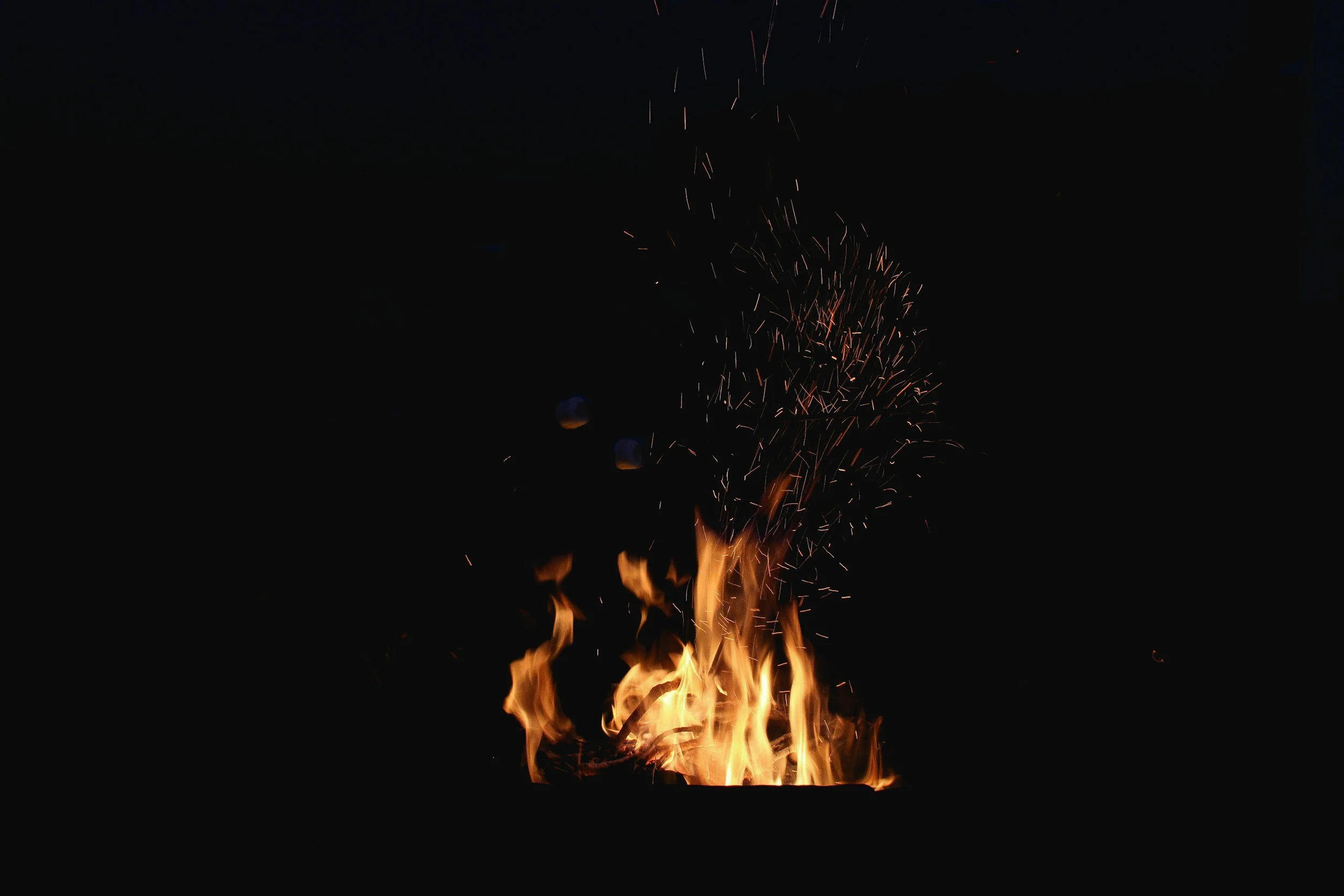
And yet, I would argue that s’mores are one of the finest foods of summer. Not because they are elegant, but because they are not. Not because they are healthy, because no one has ever looked at a marshmallow and whispered, “Wellness.” They are perfect because they slow us down. You cannot rush a fire. You cannot answer emails and roast a marshmallow at the same time without eventually paying a price. You have to stand there. You have to wait. You have to watch. You have to laugh when the marshmallow slides off the stick and disappears into the flames like a tiny sugary sacrifice.
While all of that is happening, something important sneaks in. People start talking. Children start asking questions. Stories come out. The evening begins to stretch. What looks like dessert is actually something much better. It is a pause. It is togetherness. It is memory-making in real time.
The Backyard Is Still One of the Best Classrooms I Know
One of the things I care deeply about is helping grandparents, parents, and caregivers recognize that some of the richest learning moments happen long before school begins, and often nowhere near a classroom. A child watching fireflies is not just passing time. That child is observing, comparing, imagining, wondering, and asking questions. That is learning.
A child sitting by a fire and asking why smoke rises, why marshmallows melt, or why the stars show up when the sky turns dark is learning. A child listening to a book read outside while the evening settles in is learning. A child telling me, with great authority, that the fireflies are probably sending messages to one another is also learning, and frankly, I am not in a hurry to disagree.
Wonder builds language. Curiosity builds thinking. Conversation builds understanding. These are not small things. These are the very things that prepare children to engage with the world. When children feel safe, seen, and delighted, they remember more. They ask more. They connect more.
What Children Will Actually Remember
The older I get, the more convinced I am that kids do not grow up remembering whether we did enough. They remember how it felt to be with us. They remember who sat beside them. They remember who answered their questions, who noticed the first firefly, who handed them the book, and who let them stay outside just a little longer.
They remember who made an ordinary evening feel special.
That matters to me because it takes some pressure off. I do not have to create a perfect summer. I do not need a complicated plan. I do not need every day to be memorable in some giant, impressive way. I just need to make room for small moments that kids experience as big ones.
That is the magic of summer, and honestly, I do not think it ever came from the expensive stuff anyway. It came from feeling free, feeling close to the people you love, and feeling like the world still had a few surprises left in it.

My June Challenge to Myself
This June, I want to leave more room for that kind of magic. I want to read outside more often. I want to make s’mores by the fire, even if the marshmallows end up lopsided and somebody gets chocolate on their cheek. I want to listen to a child tell me something ridiculous and brilliant. I want to watch the sky change colors. I want to notice the fireflies instead of rushing past them.
Most of all, I want to keep asking myself that question: Is this summer still magical enough for a child?
A Little Invitation for You
So here is my encouragement to you this summer. Go outside. Stay out a little longer. Bring a book with you. Light the fire. Make the s’mores. Let the marshmallows get messy. Let the questions go long. Let the evening breathe. And when those tiny blinking lights begin to appear in the yard, stop long enough to notice them.
You may be looking at more than fireflies. You may be looking at a memory taking shape.
This summer, do not just plan moments. Spark them.
Read one more story. Stay outside a little longer. And while you are enjoying those firefly nights and s’mores by the fire, take a look at The Marshmallow Mystery, featuring S’more, a lovable puppy looking for a home.
Visit CJ Corki for books and reading resources that help turn simple summer moments into meaningful learning memories.