Sunscreen, Tanning Oils, and the Tan We Thought We Wanted
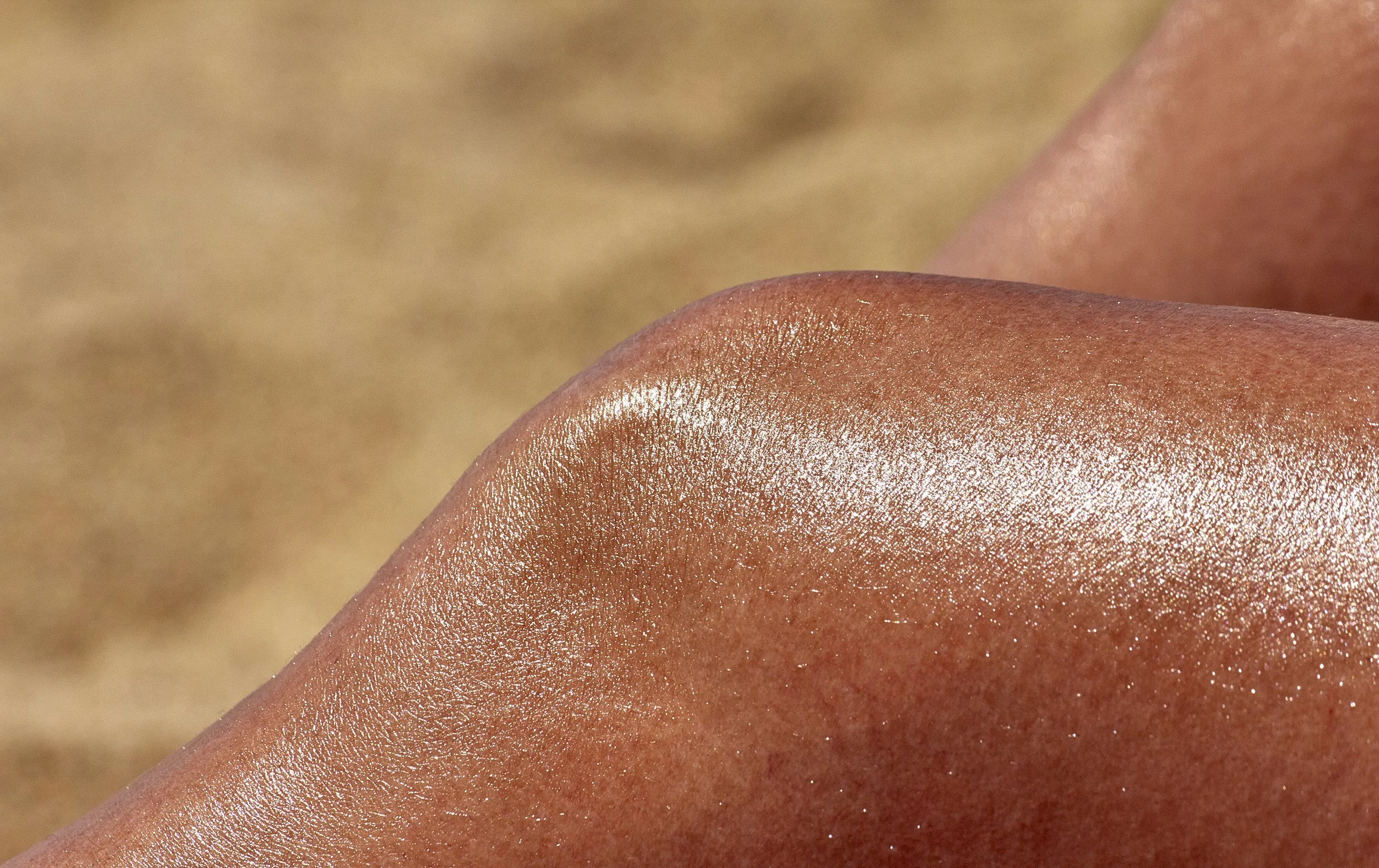
As summer approaches, so do the memories.
For many of us, warm weather brings back images of beach towels, lawn chairs, flip-flops, and long afternoons in the sun. It also brings back an old mindset that many people grew up with: a tan meant you looked healthy, active, and “ready for summer.” Back in the day, sunscreen was often an afterthought, and tanning oils were treated like part of the routine.
Today, we know better.
And if you’re a parent or grandparent, this is one of those life lessons worth passing down early.
The Old Summer Mindset: “Go Out and Get Some Color”
There was a time when people headed into the sun with one goal: get tan fast.
Tanning oils, baby oil, foil reflectors, and “just 20 more minutes” were common strategies. Sunscreen existed, sure, but it wasn’t always the star of the show. In many circles, it was seen as something you used only if you were “burning too much” or for a long beach day.
A lot of us were taught to “build a base tan,” as if that would protect us all summer. We didn’t think much about long-term damage. We thought about color.
The problem is this: a tan is not your skin getting stronger. A tan is your skin responding to injury from UV exposure.
That’s the part many of us didn’t grow up hearing.
Back in the 1970s, Skin Cancer Wasn’t Really the Conversation

In the 1970s, skin cancer wasn’t really a topic of everyday conversation the way it is now. At least not in the way families talk about sunscreen, UV index, reapplication, protective clothing, and regular skin checks today.
As a kid from outside Chicago, summer meant being outside. We would spend about 30 minutes lying in the sun, with little skin coverage, trying to get some color. Then we’d get bored and move on to something else—riding bikes, playing games, running around, just being kids.
Honestly, that was probably a great plus.
Why? Because even though we didn’t know much about sun protection, we also weren’t always lying out for hours and hours at a time every day. We’d sun ourselves a little, then life would pull us into something active.
Still, looking back, it’s amazing how normal it felt to expose our skin with almost no thought to protection. No one was talking about UV damage the way we do now. No one was reminding us to reapply every two hours. No one was saying, “Cover your shoulders,” or “That burn today can cost you later.”
We just didn’t have that conversation.
Now we do—and that is a gift.
Tanning Oils: The Fast Track to a Lesson You Don’t Forget
Let me tell you a story I definitely learned the hard way.
When I was in college, I wanted the perfect tan for our sorority formal dinner dance. So naturally, a group of us took a spring break trip to the Bahamas. Everyone was prepared to work on their perfect tan.
And I mean prepared.
There was a strategy. There was commitment. There was that “we’re going to come back glowing” energy that only college spring break can create.
I brought Johnson & Johnson Baby Oil because I had heard (unofficially!) that slathering it all over your skin would guarantee a fast, even tan. To be clear, Johnson & Johnson did not encourage, advertise, or recommend using baby oil as a tanning product or for sun exposure, as we did. That was unofficial word-of-mouth advice we followed, and it was a mistake.
So… slathered I did.
I was convinced I had found the secret.
Instead, I found a life lesson.

As the day turned into evening, my skin went from light brown to almost cooked. I’m talking almost a third-degree burn level of misery. I spent the rest of the vacation practically naked, lying on the bed, with the air conditioner blasting, using aloe and anything else I could find to try to calm the burn down.
It was painful. Miserable. Humbling.
The good news? By the time I got home, the burn was gone—but the lesson stayed.
And here’s the funny part: when the formal finally rolled around, my sorority sisters were peeling throughout the dance.
We all wanted the same thing—a beautiful, even tan.
What we got was a reminder that chasing a tan at all costs comes with a price.
Why Sunscreen Is Your Best Friend
Here’s the simple truth: sunscreen is your best friend.
Not because it keeps you from enjoying summer. Not because it makes you “overly cautious.” But because it helps protect your skin while you live your life.
A good sunscreen helps guard against the UV rays that cause sunburn, premature aging, and skin damage. It doesn’t mean you have to hide from the sun. It means you get to enjoy the sun more wisely.
And let’s be honest—summer is a lot more fun when you’re not:
burned
peeling
sore to the touch
avoiding clothing because everything hurts
sleeping under blasting air conditioning with aloe on repeat
That’s not a glow-up. That’s recovery mode.
Sunscreen vs. Tanning Oil: What’s the Difference?
This matters, especially for younger adults and teens who are still hearing “shortcuts” from friends.
Tanning oils
Traditional tanning oils are used to intensify sun exposure and speed tanning. Some products now include SPF, but many older approaches (including plain oils like baby oil) offered little to no sun protection. Their purpose was often to help skin tan faster—not protect it.
Sunscreen
Sunscreen is designed to protect the skin by reducing the impact of UV exposure. It should be broad-spectrum (protecting against UVA and UVB rays) and used generously, then reapplied regularly—especially if you’re sweating or swimming.
If your goal is healthy skin, sunscreen wins every time.
If your goal is “I want a little color,” there are much safer ways to get that look today, including sunless tanning products.
The Bigger Lesson Isn’t About Beauty—It’s About Health
The deeper lesson here is not “don’t get tan.”
It’s this: don’t sacrifice your skin trying to look a certain way for one event, one trip, one week, or one season.
That lesson applies whether you’re 19 and heading to spring break, 39 and going on vacation, or 69 and gardening with the grandkids.
Your skin remembers what you do to it.
And the people who look up to you are watching what you do too.
That’s why this conversation is so important for grandparents and parents. Kids don’t learn sun safety from lectures alone. They learn it from what they see:
“Grandma puts sunscreen on before we go out.”
“Grandpa wears a hat when we’re at the ball field.”
“We reapply after swimming.”
“We take breaks in the shade.”
“We don’t try to burn to get tan.”
Those everyday habits become their normal.
Helping Grandkids Avoid the Mistakes We Made
If you’re heading into summer with grandkids (or kids), this is a wonderful chance to teach protection without making it scary.
You don’t have to turn every outing into a science lesson. Just make sun safety part of the routine.
Here are a few easy ways:
Make sunscreen the first step before outdoor fun, just like shoes or snacks.
Keep it visible by the door, in the beach bag, and in the car.
Use hats and cover-ups as “summer gear,” not punishment.
Build shade breaks into playtime (water break, snack break, story break).
Talk about sunburn honestly: “It hurts, and we protect our skin so we can keep having fun.”
And yes—tell your stories.
Kids remember stories more than instructions.
“Let me tell you about the time I used baby oil in the Bahamas…” will do more than a dozen warnings.
A Summer Reminder Worth Repeating
As summer approaches, keep this in mind: sunscreen is not the enemy of fun. It is one of the reasons you can keep enjoying the fun.
If you grew up in a time when tanning oils were common and skin cancer wasn’t part of the conversation, you’re not alone. Many of us did. We did what we knew. We followed the trends. We listened to unofficial advice. We learned some lessons the hard way.
But now we know more.
And knowing more means we can do better—for ourselves and for the next generation.
So use the sunscreen. Be serious about protection. Wear the hat. Reapply. Sit in the shade once in a while. Let summer be about memories, not burns.
And maybe, just maybe, help your grandkids avoid what I went through in the Bahamas.
That lesson is worth passing on.
Thanks for spending this time with us. If you’re curious about the stories we create for kids and grandkids, you can visit our book page here: Early Literacy.