R-E-S-P-E-C-T: Thoughts on Manners and Kindness

A long time ago, in a galaxy far, far away...I moved to Georgia to be a teacher. I was accustomed to answering questions with yes/no at my home galaxy of Illinois. To my surprise, in this galaxy known as the South, all my students would say "Yes, Ma'am" and "No, Ma'am." But after a little cultural emersion, I really began appreciating this bit of etiquette. In fact, I, too, began to use "Yes, Ma'am" and "No, Ma'am" and "Yes Sir" and "No Sir" when talking to others. I also had to get accustomed to being called "Miss Rosemarie." It doesn't matter if you are 10 or 110. In this galaxy, you will be called your name with a Miss (or Mr—my husband is regularly called Mr. John) in front of it. These are delightful signs of respect.
Now realize I am not advocating for everyone to adopt a different galaxy's approach to manners. Still, it got me thinking about what we teach our grandchildren about respecting others. Here are some of my thoughts:
1. Dealing with others in person: Teach your children to be polite to everyone regardless of who they are or what they do. People are doing their jobs. I worked as a waitress while I was going to school. It was at an Officers Club on a Naval Base. One evening I was serving a group of officers, including an Admiral who was wearing his dress whites. I was serving red wine from a rather heavy pitcher. I said, "Sir, would you like some wine?" The full pitcher was at my side, and I quickly brought it up ready to pour. The pitcher hit the side of the table, and the entire contents sloshed out, covering the Admiral from head to chest. The Admiral put his fork down, red wine dripping from his nose, and said, "Thank you, miss, but I don't think I would like some right now." Self-restraint and politeness when things go south, especially accidental ones, are better than causing a scene. BTW, I was not fired, nor did the Admiral require me to pay the dry cleaning bill for his uniform.
2. It's the little things: Someone opens the door for you? Respond with a thank you. The maid at the motel gives me an extra towel. Thank you. The cashier hands you a receipt. Thank you. Thank you goes a long way and can be liberally used in any situation. Please, is also a good word to use liberally. "Would you like cream with your coffee?" "Yes, please."
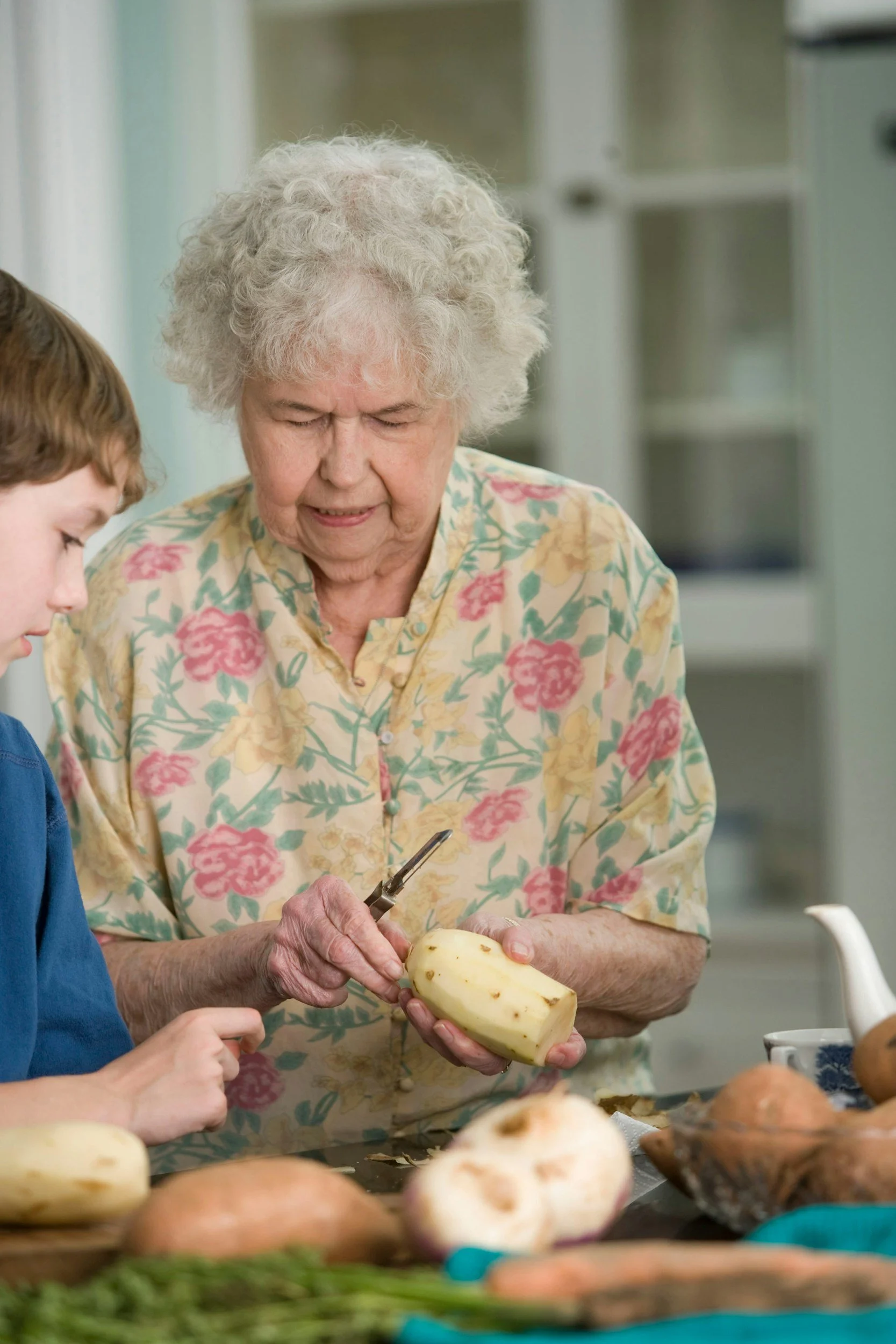
3. Sitting etiquette: As children, we were taught to give up our seats, be in a doctor's office, bus, train, or any public space where seating was full. We were taught to give up our seat to someone who was elderly, disabled, mothers with babies in arms, or infirm. During my lifetime, I have done this many times. Doing something nice for someone you don't know is very self-satisfying. "Sir, please take my seat."
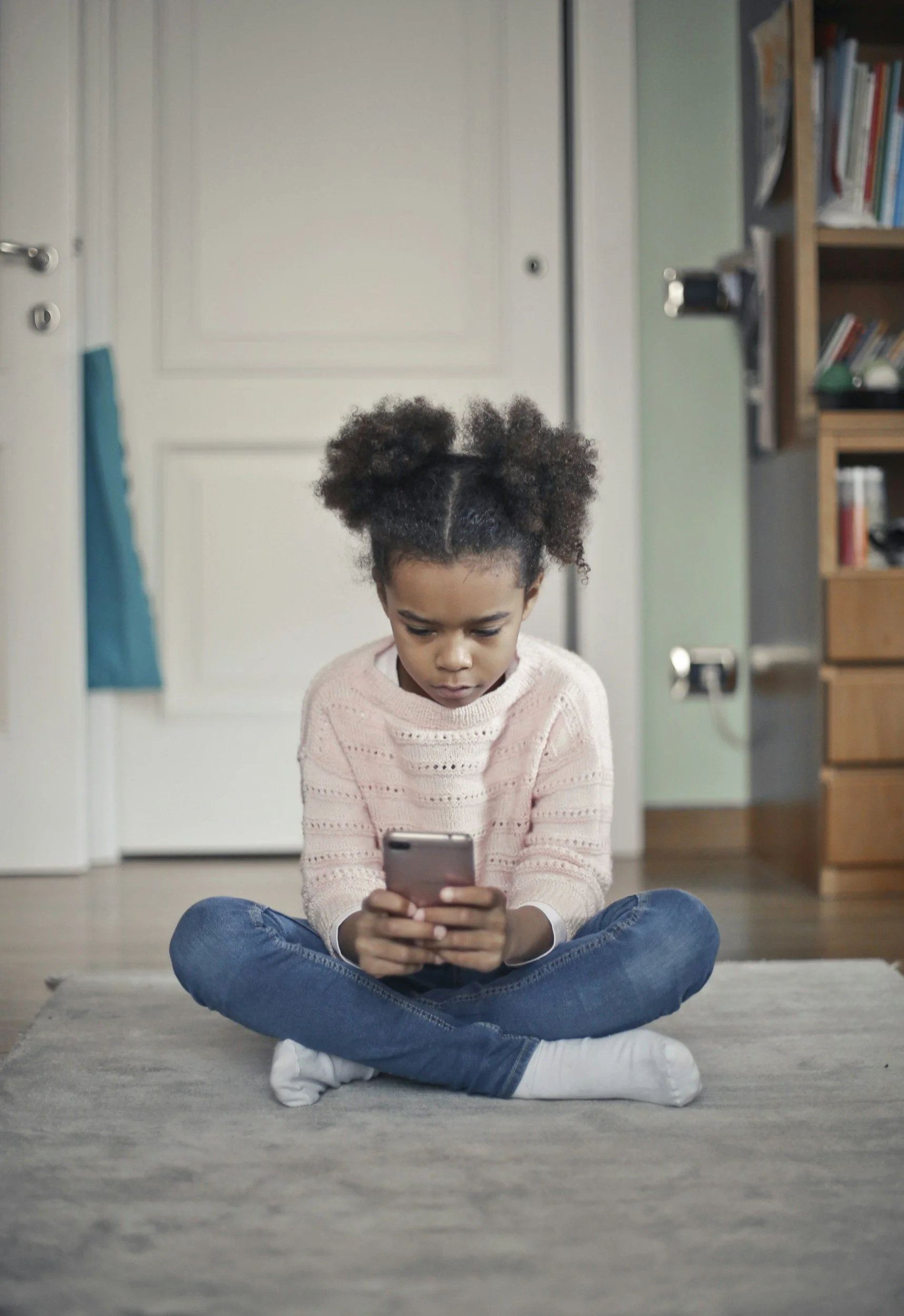
4. On the phone: Oh, I so hate the "Press 1 for…." But that is part of life now. I never had to deal with this when I was a child. We had a party line and were polite to let whoever was on the line to finish their conversation before we called someone. Never had to 'dial 1' until I was an adult. This is an excellent opportunity to teach your grandkids about patience and dealing with customer service. You must remind them they are real people trying to do their job. No matter how frustrated you are, you need to teach your grandchildren that being disrespectful should not be on the table.
5. Online: It is so easy to bully people online today, especially if you use an online nom-de-plume. Our grandchildren are using technology that did not exist when we were growing up, but it needs to be considered when teaching them respect for others. Teach your grandchildren to be polite online, regardless of the social media they are using. Being civil and levelheaded in using this media translates to their interaction with people in the four categories above.
Children are naturally self-centered and must be taught to respect others across all media, in-person and online. As grandparents, we can be the third-party provider of etiquette education regarding interacting with others. It is a unique opportunity as we spend time with our grandchildren. There are galaxies of things we can teach them. And you don't have to take them far, far, away.