Quarter Time: Teaching the Next Gen about Finance
Growing up, my parents taught their five daughters a lot about money. Since we worked in a family business, we were surrounded by bills and coins. My aunt would iron the crinkly bills to keep things in order and not even think about having them face in different directions, a big no-no. We would neatly and accurately count the piles of bills sorting them by ones, fives, tens, and twenties. Honesty and Integrity were a given. Although it might be tempting to pocket a few loose bills, we never did.
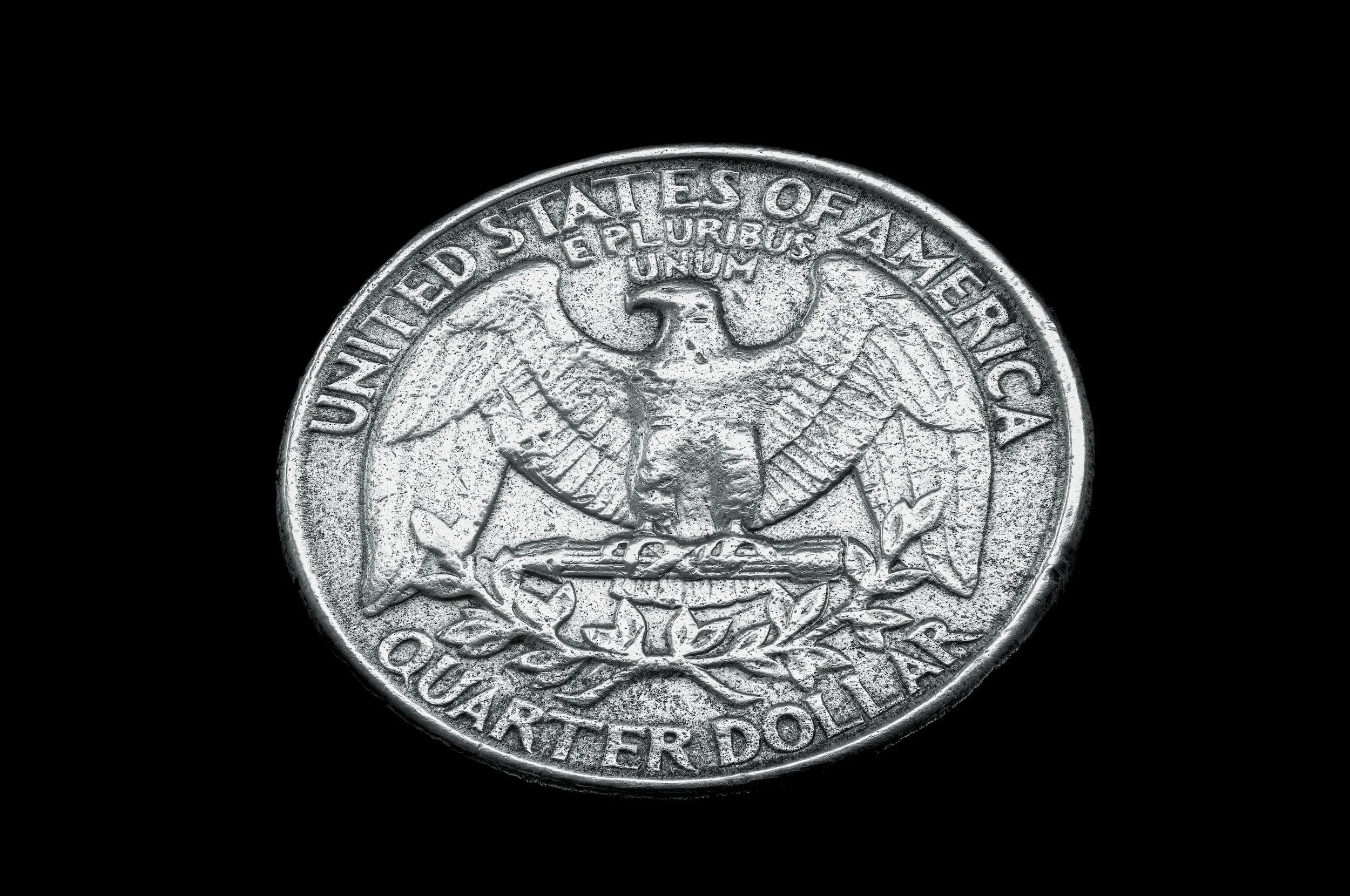
Besides honesty, they also taught us about paying it forward. My dad always brought coins when visiting my aunt's house. Their kids would be given a shiny new quarter when we arrived. My dad would direct my cousins to save this money for college. It was our family’s mantra to “Save for College.” I remember hearing it repeatedly. Since my parents didn’t have an opportunity to receive a college degree, they stressed the importance of saving for the event. And my happy cousins were gleeful about receiving the gift; my dad was just as pleased about giving it, especially to the next generation.
“Keep the change,” we were told when my parents would task us with the purchase of an item. They would give us $5 for an item costing $3.50. They would tell us to keep the change when returning the money. Of course, with the expectation of saving it for college. But we learned that those little additions of cash would add up. We never got an allowance, so keeping the change was a solution to learning about saving.

“Find a penny, pick it up; all day long you will have good luck.” Most people today don’t exert the energy to pick up a lonely penny. I am compelled to do so still. First of all, I was taught to be a coin collector. What if that penny is old and worth more than a penny? I always look for the date first. The second reason is the penny’s symbolism; It represents new beginnings, a new chapter, and a fresh start. Third, finding a penny is a sign that wealth is coming. But the most important reason I pick up a penny is that I believe the penny is a sign that our guardian angel is watching over us—a message from heaven.
However, my parent’s lesson was that even a penny could accumulate to significance. Like the riddle, “Would you rather have a penny today that doubled every day for a month, or $1 million today?” If you haven’t taught your children or grandchildren yet about the time value of money, put it on your to-do list. An easy way to explain it to young children is to reference a chart. The critical takeaway is to save early and often.
Working in a family business also taught me math by counting. When I was in first grade, my mom would have me count changes from a cash register drawer. Although I couldn’t see over the counter, my accuracy was perfect, down to the penny. It is a fun activity to play pretend store with grandkids. You can buy a cash drawer anywhere, and by using real money, they will feel grown up.
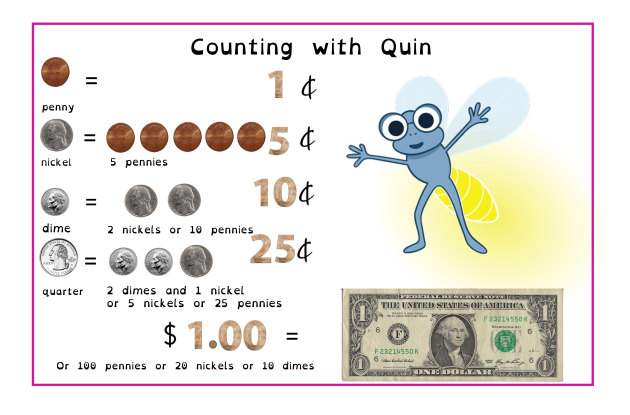
For very young children, start with quarters to teach them how much a dollar is worth. My son learned how to put four quarters in a baggie to add up to a dollar at two years old. We would then go to the educational store to see what could be purchased. You can graduate to other coins once they understand the quarter. Using our placemat on how to count with coins is another fun learning tool.
The importance of teaching grandkids about money early cannot be stressed enough. They should learn how to earn, count, save, and give it away to charity. Many parents aren’t comfortable talking to their children about money, so ensure they are on board with the life lessons you share with their kids. Show them the number of core values that could be learned, including honesty, integrity, wealth, debt, generosity, personal responsibility, and stewardship. Look for fun activities to demonstrate how to raise financially responsible children, including being a role model. Follow us on Facebook, Instagram, or Pinterest for ideas. And share with us how you teach the next generation about finance.