
Price of Success: A Grandparents Perspective on Achievements
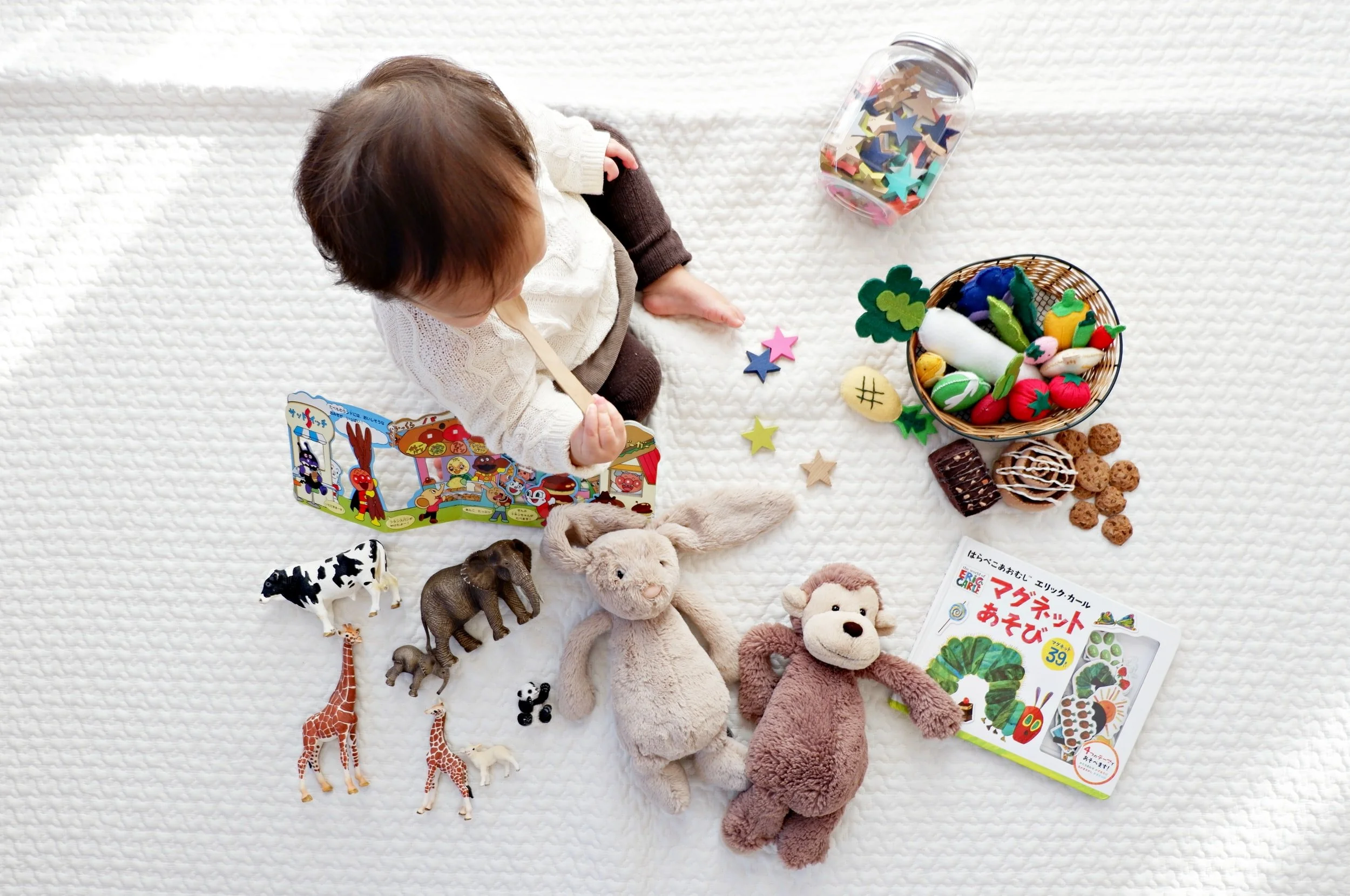
Parents inherently want their children to succeed. They stress the importance of “excellence” for their child. As a baby, they may start teaching their child baby sign language to boaster their cognitive ability. They can be eager to sign up their three-year-old up for ballet or, in this case, for wrestling. Yes, as a parent, I am guilty of arranging for art classes, gymnastics, swimming, and more, all before the age of four. As parents, we fear not having that jump-start will forever put them behind in academia, the arts, or sports. However, as a prospective grandparent, I have a different viewpoint.
Questioning our children’s actual ability first came from a talk by the Olympic Development Program (ODP) coach for soccer. He asked the parents, “Who has ever competed in the Olympics?” When nobody raised their hands, he asked, “Who has ever made the national team?” Again, no parents raised their hand. He then said, “With this gene pool, it is unlikely any of your children will make the cut for the state ODP team.” Although it sounded harsh, his point was not to expect perfection…excellence. Instead, please encourage your child to work hard, do their best, and not to quit at the first sign of difficulty. Everyone has different gifts, which most likely will not be revealed at three years old.
Parents often want their children to follow the parent's dream instead of the child's. Our son competed in archery through college. One of the coaches was a Gold Medal winner who encouraged his students to use their head instead of their brawn. Although his coaching was outstanding, his own son was overshadowed by his father’s success. He was always the son of the Olympic medalist. When he lost a competition, he also lost his self-esteem. It didn't take long for him also to drop archery as a sport. Letting your child pursue an activity that they are passionate about instead of the ones you succeeded in or dreamed of achieving increases the likelihood of their accomplishment and happiness in other activities.
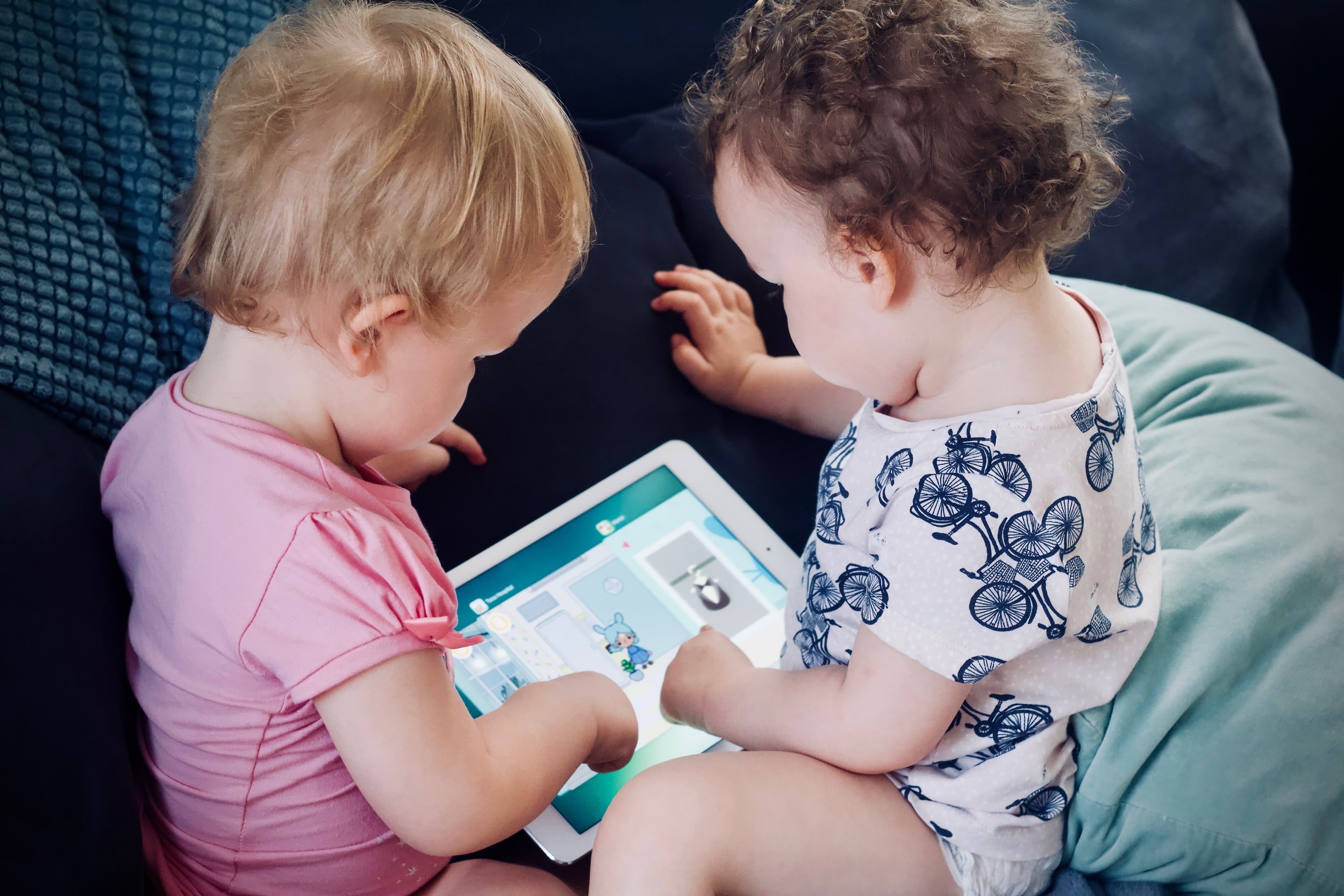
Stop competing with the Jone’s child. It is a common phenomenon for parents to compare their children to their neighbors. Little Johnny Jones is walking at eight months, but your child only is starting to crawl. Or Sarah is talking in complete sentences at a year old, and your child doesn't even say mama or dada at 18 months. Today, parents rush their children into the pediatrician wondering what is wrong with their child, or they are on the other side, bragging to their friends how precocious Susie is at two years old. Looking back at our children, we had both ends of the spectrum. According to the book, our oldest seemed to be advanced in every aspect, What to Expect the First Year. Our middle son did walk at eight months and spoke in complete sentences at a year. He would say words like "Watermelon," taught by his proud grandparents. However, our youngest son never crawled in the classical style, but he got up and ran after his brothers one day. He also didn't talk until he was two years old, but when he did, his brothers asked if he had an off button to shut him up. As a grandparent, the perspective of watching a grandchild grow and develop at their own rate can bring parents into the reality of raising a healthy, happy child, not a perfect specimen.
What is the impact of pushing your child too much? According to the book, Children of Paradise, the children might suffer the wrong kind of motivation; external expectation rather than internal drive. It is a result of what the parents expect instead of their own desire to achieve. In the extreme case, The Dead Poets Society demonstrates the impact of a parent forcing his own directives on his son, ending in a tragic death. If that doesn’t make you rethink your parenting style, I am not sure what will. But what can you do as a grandparent to help your child be better parents?
As a grandparent, you have more influence than you think. Of course, you don't want to interfere with the parent-child relationship, but you can encourage the child’s process to success. Compliment them on working hard to try out for the school play. Point out their eagerness to learn new information. Admire their ability to ask the question, why? Even if they have asked it a million times. Note their ability to be kind, polite, and tolerant toward others. When you model good parenting behavior to your grandchild, you will see how the child positively reacts. Thus, the parents will see how to positively parent without criticizing the parent themselves.

Demonstrating good parenting techniques when interacting with your grandchild does show good role modeling. The parent might find it helpful, but they also might reject it. That is okay. They are the parent, but it can help you develop a genuine bond with your grandchild as the grandparent. The one warning I will say is not to jump on the golden child bandwagon. It is easy being a proud grandparent to say how exceptional the child is at this or that. Beware of the negative consequences of that behavior. Even comments "like father, like son" to refer to a successful parent might put undue pressure on a young child. Encourage their unique gifts and talents. Listen to their hopes and dreams, which might differ from their parent's expectations. Don't interfere; encourage.
